The Best Strategy Games for Beginners (and Why They Teach Well)
Strategy games that teach newcomers well across RTS, 4X, grand strategy, tactics and builders, why each works and what to play next.

Strategy games have a reputation for being hard to get into, and some deserve it. But the genre also has games that are brilliant teachers: clear tutorials, forgiving difficulty settings and feedback that shows you why something went wrong. Starting with one of those makes a huge difference. A good first strategy game teaches habits, such as planning ahead, reading the board and managing an economy, that carry over to everything else in the genre.
This list is organized by subgenre, so you can start wherever your interest lies. Each entry explains why it works for newcomers and what to try next. If you’re not sure what separates an RTS from a 4X or grand strategy game, our map of the strategy subgenres is a good primer.
What makes a strategy game good for beginners?
We picked games with most of these qualities:
- A real tutorial that teaches by doing rather than by dumping text.
- Adjustable difficulty, including genuinely easy AI or story settings.
- Readable feedback: the game shows you what’s happening and why.
- Short or pausable sessions, so mistakes don’t cost hours.
- Skills that transfer to bigger, harder games in the same subgenre.
Turn-based 4X: Sid Meier’s Civilization VI
Why it teaches well: Civilization VI, developed by Firaxis Games and first released in October 2016, is turn-based, so you can take as long as you want over every decision. Its systems are layered but readable: cities produce yields, you research technologies and civics, and you expand across a hex map. Its Eureka mechanic, where completing a specific task speeds up a related technology, teaches you to connect your actions to your progress. Its districts system, which places specialized city areas on the map, makes planning visible rather than abstract.
Civ VI is available on PC, consoles and mobile, and lower difficulty levels give you plenty of room to experiment. For a full walkthrough of the series’ core ideas, see our Civilization beginner’s guide.
Play next: Civilization VII, Old World or Stellaris for a space-based 4X.
Real-time strategy: Age of Empires IV
Why it teaches well: Age of Empires IV, developed by Relic Entertainment with World’s Edge and released for Windows on 28 October 2021, was built with new players in mind. Its Art of War challenges teach specific skills such as economy management and are widely praised as helpful for beginners. Its historical campaigns mix missions with documentary-style history videos, so you learn the game while learning about the period.
The unit counter system, where spearmen beat cavalry and so on, is intuitive, and the AI can be set low enough to let you practice your build without pressure. It has since come to Xbox (2023) and PlayStation 5 (2025).
Play next: Age of Empires II: Definitive Edition, the community’s long-running favorite, or StarCraft II if you want faster, more mechanical play.
Gentle RTS: Northgard
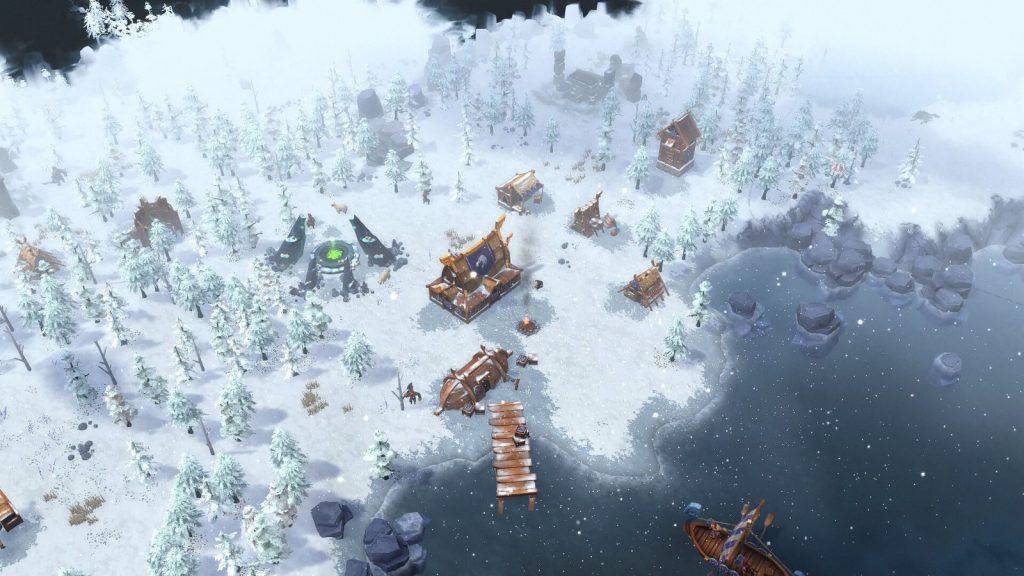
Why it teaches well: Northgard, from Shiro Games (full release in March 2018), is a slower, more forgiving take on RTS. The map is divided into regions, and each region holds a limited number of buildings. That makes expansion a series of clear, meaningful choices rather than a race of clicks. Winters reduce food production and increase wood consumption, which teaches economic planning in a way you can feel. There are several ways to win, so not every game has to be a military struggle.
Play next: Age of Empires IV or Age of Empires II for a traditional RTS, or a city builder if you most enjoyed the economy.
Grand strategy: Crusader Kings III
Why it teaches well: Grand strategy is the most intimidating subgenre, but Crusader Kings III is the most approachable of the big Paradox titles. You play a person, so the systems connect to a story: your ruler’s personality, family and rivals. It has a guided tutorial and real-time play you can pause at any moment. Starting as a small Irish ruler, as the official wiki recommends, keeps the scale manageable. Our Crusader Kings III beginner’s guide covers the essentials.
Play next: Stellaris for space grand strategy, or Europa Universalis for nation-level play.
Turn-based tactics: Into the Breach
Why it teaches well: Into the Breach, by Subset Games (released for Windows on 27 February 2018), is a tactics game with almost no hidden information. You control three mechs on an 8×8 grid against monsters called the Vek, and the enemy shows you exactly what it’s going to attack before you move. Each turn is a small, perfectly readable puzzle. Mistakes are your own, and you can always see why they happened. Battles are short, and a failed run sends a pilot back in time to try again with their experience intact.
It’s available on PC, Switch and mobile, which makes it easy to play in short sessions.
Play next: XCOM 2 for a deeper tactics campaign with a strategic layer.
City building: Cities: Skylines
Why it teaches well: Cities: Skylines, from Colossal Order and Paradox Interactive (first released March 2015), is the standard entry point for modern city builders. It unlocks services gradually as your population hits milestones, so you never face everything at once. Zoning demand bars and overlays show what your city needs, and there’s no single way to lose quickly. It’s also available on consoles, and on PC it has a huge library of community content.
Play next: Cities: Skylines II for a deeper simulation, or Anno 1800 for production-chain city building.
Management: Two Point Hospital
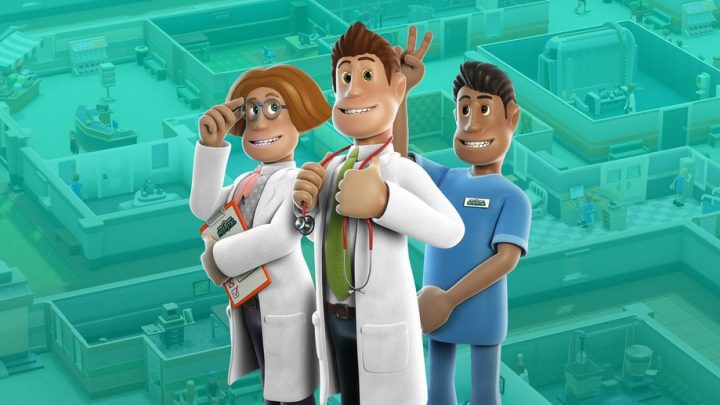
Why it teaches well: Two Point Hospital, from Two Point Studios and Sega (released 30 August 2018), is a comedic hospital management game and a spiritual successor to Bullfrog’s Theme Hospital. Its jokes, such as patients with light bulbs for heads, make the learning curve fun. Each hospital introduces a few new mechanics, so the game teaches management in layers: room placement, staffing, patient flow, then finances and training. Losing money is rarely fatal early on.
Play next: Two Point Campus or Planet Coaster for more management, or Frostpunk for a harsher survival builder.
Puzzle strategy: Mini Metro
Why it teaches well: Mini Metro, by New Zealand studio Dinosaur Polo Club (full release November 2015), is about the simplest strategy game you’ll find. You draw subway lines connecting stations of different shapes, and passengers travel to stations matching their shape. As the city grows, you have to reroute lines and manage limited trains and tunnels until a station overcrowds. A run takes minutes, but it teaches the core strategy skill of managing limited resources against growing pressure. Its relaxed Creative mode lets you build without failing.
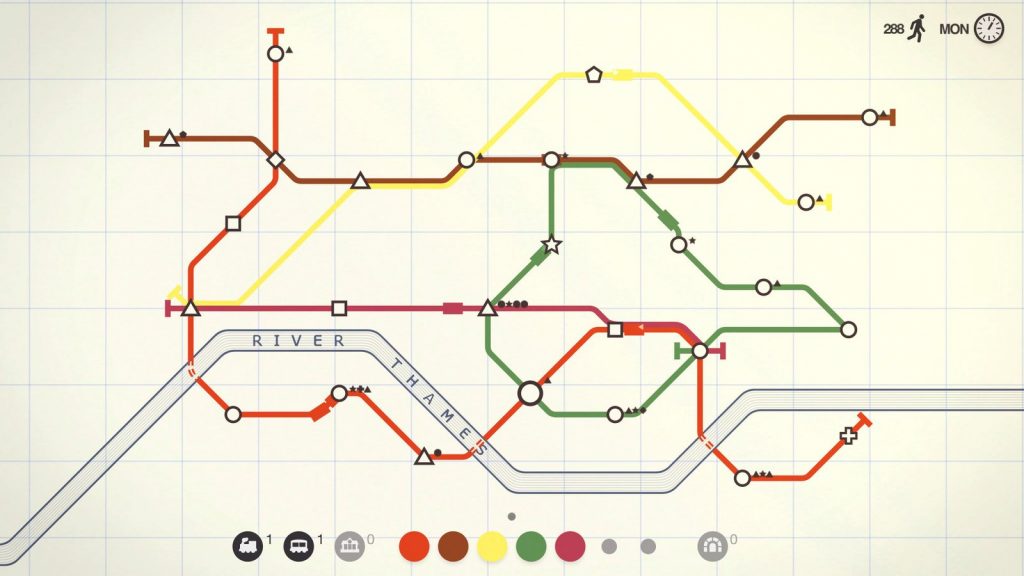
Play next: Cities: Skylines, whose public transport tools build on the same instincts at a much larger scale.
Quick reference table
| Game | Subgenre | Time model | Session length | Main lesson |
|---|---|---|---|---|
| Civilization VI | 4X | Turn-based | Long, saveable | Long-term planning |
| Age of Empires IV | RTS | Real-time | Medium | Economy and counters |
| Northgard | RTS | Real-time, slower | Medium | Expansion choices |
| Crusader Kings III | Grand strategy | Pausable real-time | Long, saveable | Politics and succession |
| Into the Breach | Tactics | Turn-based | Short | Reading the board |
| Cities: Skylines | City builder | Pausable real-time | Open-ended | Systems and feedback |
| Two Point Hospital | Management | Pausable real-time | Medium | Flow and staffing |
| Mini Metro | Puzzle strategy | Pausable real-time | Very short | Limited resources |
Pick by the way you like to play
A list is only useful if it matches your taste, so here’s a shortcut based on what you already enjoy.
- You like thinking slowly and carefully: start with Civilization VI or Into the Breach. Both are turn-based, so speed never matters and every decision can be checked twice.
- You like action and fast decisions: try Age of Empires IV against easy AI, then Northgard if you want the pace dialed down a notch.
- You like stories and characters: Crusader Kings III turns strategy into a family drama, and its events give context to every decision.
- You like building and watching things grow: Cities: Skylines or Two Point Hospital. Neither punishes you quickly, and both reward tinkering.
- You only have short breaks: Mini Metro or Into the Breach. A full run fits in a lunch break, yet both teach real strategic thinking.
- You play mostly on a console or handheld: several picks here have console versions, including Civilization VI, Age of Empires IV, Northgard, Into the Breach, Cities: Skylines and Two Point Hospital. Check the current platform list before you buy, as ports differ in features.
If two categories appeal to you, start with the shorter game. A quick win builds the confidence to tackle a 30-hour campaign later.
How to learn any strategy game faster
- Do the tutorial, even if you’re impatient. Strategy tutorials explain interface conventions you’ll otherwise miss for hours.
- Start on easy. Low difficulty lets you see systems working instead of just surviving. Raise it once you win comfortably.
- Use pause liberally. In pausable games, stopping to think isn’t cheating; it’s how they’re designed to be played.
- Read the tooltips. Most numbers in a strategy game have a tooltip explaining where they come from.
- Restart early runs. If you realize an hour in that your start was poor, starting again with what you’ve learned is often faster than fixing it.
- Focus on one system at a time. Learn the economy first, then the military, then diplomacy.
Common mistakes to avoid
- Starting with the hardest game in a subgenre because it’s the most famous. Learn the concepts on a friendlier title first.
- Copying advanced builds before understanding them. Build orders and optimal layouts help, but only once you know why they work.
- Judging a game by its first hour. Strategy games often click on the second or third campaign.
- Ignoring the economy. In almost every strategy game, a stronger economy beats a cleverer army in the long run.