Theme Park Builders Guide: Planet Coaster, Ride Design and Guest Happiness
Park layout, queues, ride ratings, pricing logic, staff and scenery in Planet Coaster and Planet Coaster 2, compared with RollerCoaster Tycoon.
Theme park builders look simple from a distance: put down rides, connect paths, watch the money roll in. Then the queue for your flagship coaster stretches past the toilets, half the guests feel sick, the bins overflow and your park rating starts to slide. The genre rewards players who understand how guests think, and Frontier Developments’ Planet Coaster games simulate those guests in more detail than ever.
This guide covers the systems that decide whether a park thrives: layout, queues, ride ratings, pricing, staff, scenery and guest needs. It focuses on Planet Coaster (2016) and Planet Coaster 2 (2024), with comparisons to RollerCoaster Tycoon, the series that established many of these ideas. For that history, see our article on RollerCoaster Tycoon and Chris Sawyer.
The Games: Planet Coaster and Planet Coaster 2
Planet Coaster released for Windows on 17 November 2016, developed and published by Frontier Developments. It is widely described as a spiritual successor to RollerCoaster Tycoon 3, which Frontier also developed. Its strengths were creative tools: piece-by-piece scenery building, detailed terrain editing and a Steam Workshop community sharing coasters, buildings and entire parks. Console editions arrived in November 2020, and the game had sold more than 2.5 million copies by January 2020.
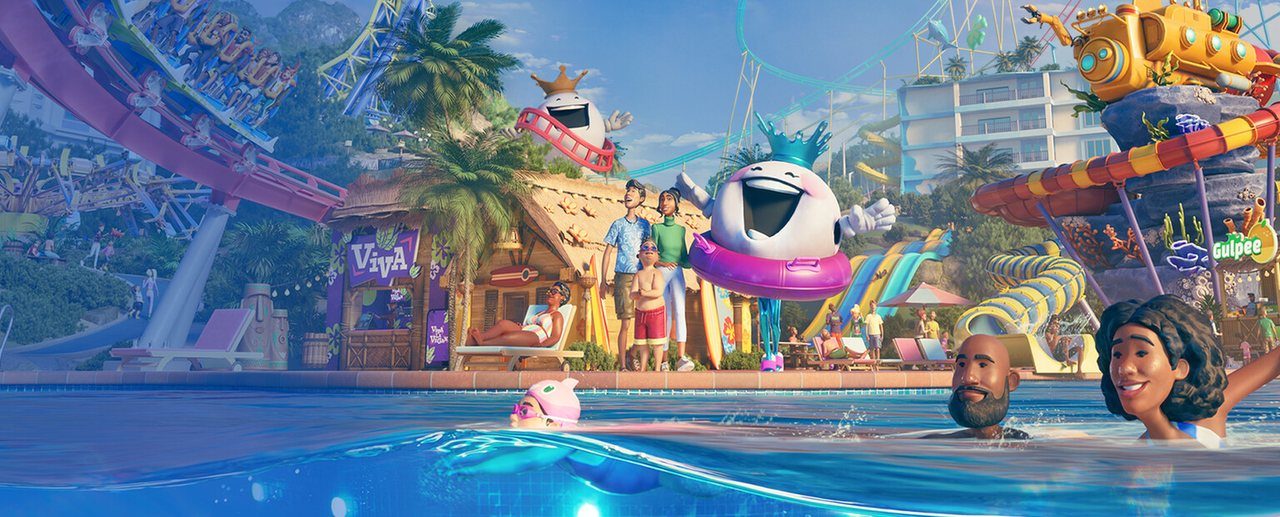
Planet Coaster 2 released on 6 November 2024 for Windows, PlayStation 5 and Xbox Series X|S. Its headline addition is water: pools, water slides and flumes alongside coasters. It also improved building tools with a path drawing mode, object scaling and mirroring, and the ability to attach scenery directly to rides and coasters. Modes include career, sandbox and challenge, plus a Franchise mode with online leaderboards and cross-platform cooperative building.
Both games were praised for creativity. Critics were more divided on management depth, particularly in Planet Coaster 2, where several reviews called the management systems shallow. That is worth knowing: these games can be played as rich creative sandboxes or as business challenges, and the creative side is where they shine most.
Park Layout: Paths, Hubs and Flow
Good layout is the foundation of a successful park. Guests walk everywhere, and every extra step costs time they could spend riding, eating or spending money.
Principles that work in any park builder
- Build a main loop or hub. A central plaza or a loop path around the park gives guests a clear route and reduces dead ends.
- Avoid long dead ends. Guests who walk to the end of a path and back waste time and energy.
- Spread amenities. Food, drink, toilets and seating should appear throughout the park, not just near the entrance.
- Keep paths wide where traffic is heavy. Crowding near popular rides and the entrance lowers happiness.
- Separate exits from entrances. Ride exits should feed back into the main path near shops or other attractions.
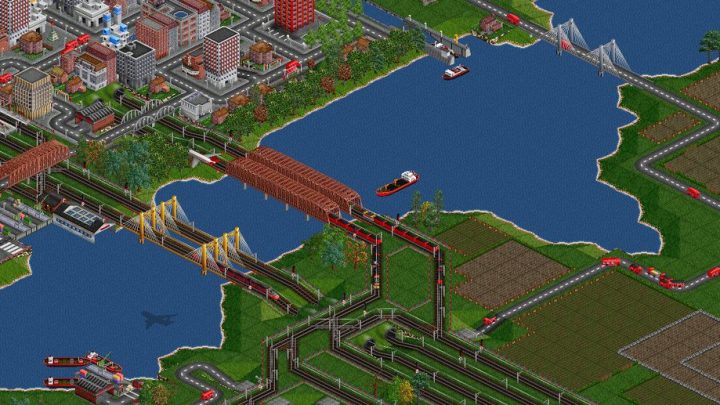
In RollerCoaster Tycoon, guests were notorious for getting lost in complex path networks. Planet Coaster’s guests navigate better, but sprawling layouts still reduce efficiency. Planet Coaster 2 adds heat maps that show how guests and their groups are enjoying the park, which helps identify problem areas.
Queues: Length, Theming and Capacity
Queues are where guests spend much of their time, so they affect happiness more than many players expect.
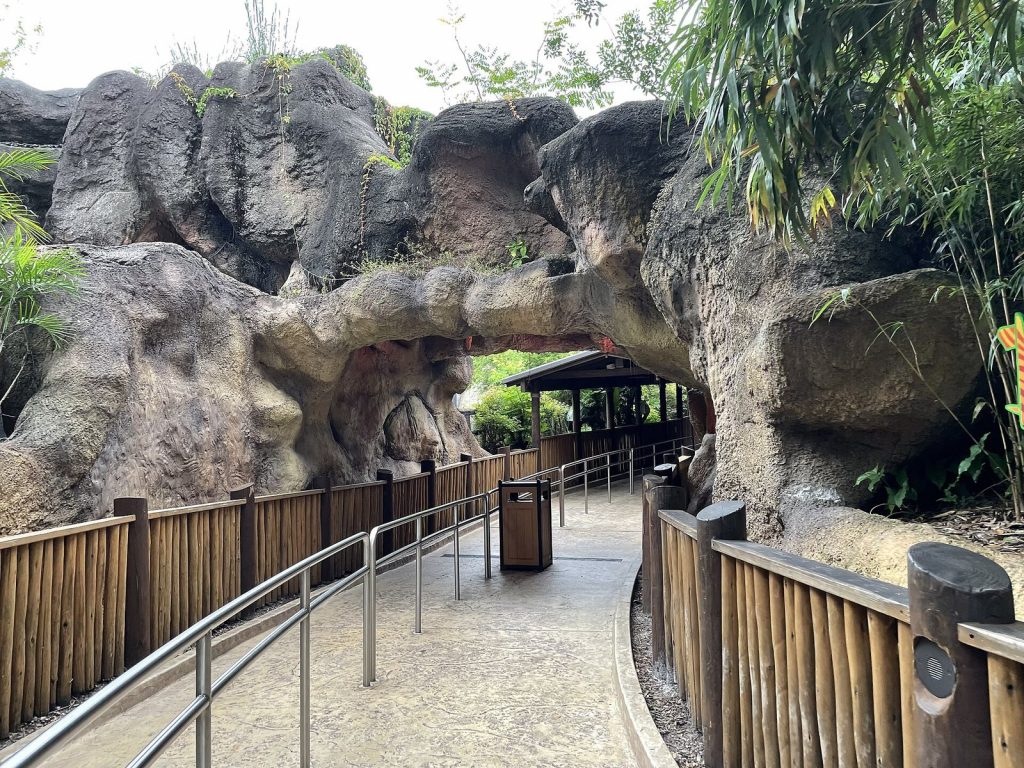
- Size queues to the ride’s capacity. A short queue on a high-capacity ride looks empty and unappealing; a long queue on a low-capacity ride leads to frustrated guests.
- Theme queue areas. In Planet Coaster, scenery near a ride and its queue raises the ride’s appeal; a bare queue is a missed opportunity.
- Add entertainment. Entertainers, screens and visual interest make waiting more pleasant.
- Increase capacity on popular rides. Adding trains or cars to a coaster, where possible, shortens waits.
Ride Ratings: Excitement, Fear and Nausea
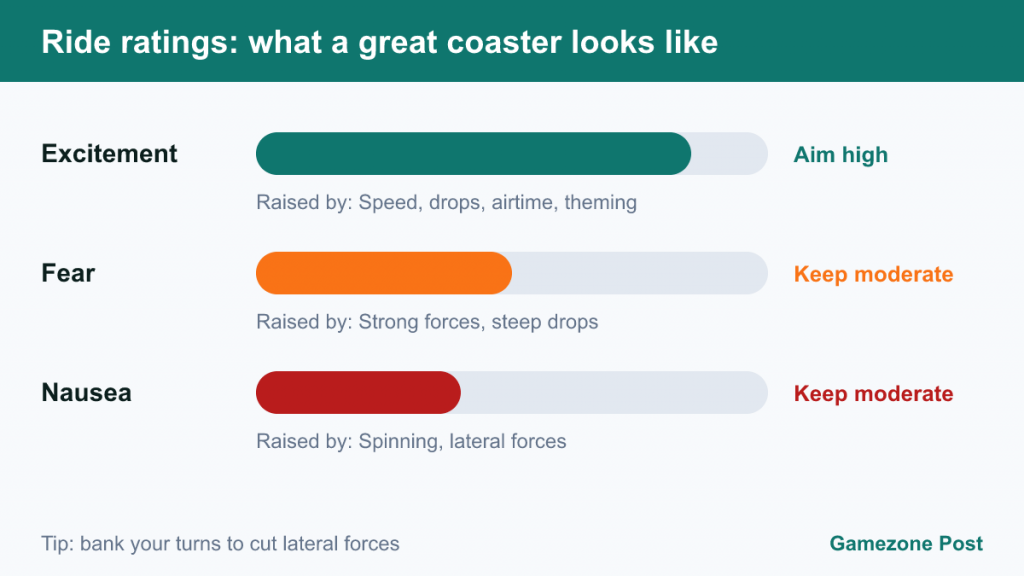
Every ride in a park builder has stats that describe how guests experience it. RollerCoaster Tycoon used excitement, intensity and nausea ratings. Planet Coaster uses excitement, fear and nausea. The names differ slightly, but the logic is similar:
| Stat | What raises it | Effect on guests |
|---|---|---|
| Excitement | Speed, drops, airtime, inversions, near-misses with scenery, good theming | Higher excitement makes a ride more appealing and supports higher prices |
| Fear / Intensity | Strong forces, steep drops, extreme elements | Some guests want thrills, but very high values put many guests off |
| Nausea | Prolonged or repeated forces, spinning, long inversions, lateral forces | High nausea makes guests sick and reduces ridership |
The goal is not to maximize everything. A great coaster usually has high excitement with fear and nausea kept moderate. Lateral forces in sharp, unbanked turns are a common culprit when nausea climbs.
Designing a better coaster
- Bank your turns. Banking reduces lateral forces, which keeps nausea down.
- Vary the experience. Mix drops, hills and turns instead of repeating the same element.
- Use the terrain and scenery. Running track through tunnels, close to buildings or over water adds excitement without extra forces.
- Test before opening. Both games let you test rides and view their ratings and force graphs before guests ride them.
- Watch for extremes. If the ride’s fear or nausea shows as a warning, adjust before opening.
Pricing Logic Without the Guesswork
Park builders generally let you set ticket prices for rides, food and the park entrance. The specific values vary by game, version and scenario, so rather than quoting numbers, it helps to understand the logic.
- Guests judge value. They compare a ride’s price with how appealing it is. A thrilling, well-themed coaster can charge more than a basic flat ride.
- Scenery and theming raise perceived value. In Planet Coaster, improving a ride’s surroundings can increase what guests are willing to pay.
- Watch guest thoughts. If guests think a ride or item is too expensive, lower the price; if no one complains and queues are long, you can often raise it.
- Balance entry fees and ride prices. Many players choose either a park entry fee with cheaper rides or free entry with paid rides, depending on the scenario.
- Adjust over time. Ride appeal changes as rides age and as new attractions open.
Staff and Facilities
Staff keep the park running. Typical roles in Planet Coaster and its predecessors include:
- Janitors or handymen to clean paths and empty bins.
- Mechanics to inspect and repair rides before breakdowns.
- Security guards to deter vandalism.
- Entertainers to keep guests, especially in queues, in a good mood.
- Vendors to staff shops and stalls.
Staff also have needs and morale; overworked staff become less effective. Planet Coaster 2 adds lifeguards, as well as changing rooms, shade and sunscreen for its water areas, and asks you to keep attractions efficiently powered. The general rule: assign staff to zones, make sure they have places to rest, and do not overload mechanics with too many rides.
Many of these ideas trace back to Bullfrog’s Theme Park and the management lineage covered in our article on Theme Hospital and Two Point.
Guest Needs and Happiness
Guests have needs that change during their visit: hunger, thirst, toilets, energy and, after intense rides, recovery from nausea. They also have preferences, with some seeking thrills and others gentler rides. A happy park caters to a range of guests.
Reading guest feedback
The most useful tool in any park builder is guest feedback. In RollerCoaster Tycoon you could read individual thoughts; Planet Coaster shows thoughts and summaries for the whole park, and Planet Coaster 2 adds heat maps. Common complaints and fixes:
- “Too expensive”: lower prices or improve theming.
- “Hungry” or “thirsty”: add more food and drink, especially near exits of popular rides.
- “Feeling sick”: reduce nausea on rides and add seating and toilets nearby.
- “Dirty paths”: hire more janitors or place more bins.
- “Nothing to do”: add rides suited to different tastes.
Planet Coaster vs RollerCoaster Tycoon: Key Differences
| Area | RollerCoaster Tycoon (1 and 2) | Planet Coaster series |
|---|---|---|
| Perspective | Isometric 2D with fixed angles | Full 3D with free camera |
| Building | Tile-based, quick to build | Piece-by-piece scenery with fine control |
| Ride stats | Excitement, intensity, nausea | Excitement, fear, nausea |
| Focus | Scenario goals and management | Creativity first, management second |
| Sharing | Limited in originals; OpenRCT2 adds multiplayer | Steam Workshop (PC1), Frontier Workshop and cross-platform sharing (PC2) |
| Water parks | Not a core feature | Central to Planet Coaster 2 |
RollerCoaster Tycoon is quicker to build in and more focused on scenario challenges, while Planet Coaster offers more creative freedom and spectacle. Many players enjoy both for different reasons.
A Simple Plan for Your First Park
- Start with a few cheap flat rides near the entrance, plus basic food, drink and toilets.
- Build a compact main path with a hub so guests can find everything.
- Hire a small staff team and check their coverage.
- Add your first coaster once income is stable, testing ratings before opening.
- Theme the coaster and its queue to raise appeal.
- Read guest feedback regularly and adjust prices and facilities.
- Expand in themed areas rather than scattering rides randomly.
Mistakes that sink new parks
- Opening a giant coaster first. A huge build drains funds before the park has the guests to pay it back.
- Forgetting maintenance. Breakdowns empty queues and annoy guests; keep enough mechanics on duty.
- Building only thrill rides. Families and less adventurous guests need gentle rides too.
- Ignoring the park’s edges. Distant corners with no facilities become places guests avoid.
Theme park builders are a branch of the wider management genre; our explainer on management and tycoon games covers the core loops they share.