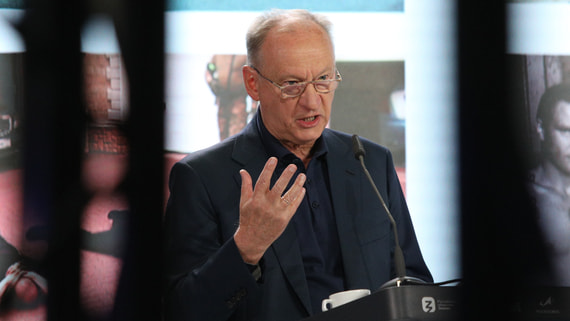
Nikolai Patrushev, Presidential Aide and Chairman of Russia’s Maritime Board, has given an extensive interview to journalists on the eve of his 75th birthday, touching upon critical issues of national maritime strategy, geopolitical challenges, and what he describes as the resurgence of Nazi ideology in the modern world. The veteran security official, who has served in various high-ranking positions throughout his career, offered his perspective on Russia’s naval capabilities and the threats facing the nation in the current international climate.
Key Points from Patrushev's Interview
- Patrushev chairs Russia’s Maritime Board overseeing military and civilian maritime operations across 37,000 kilometers of coastline
- Modernization efforts focus on nuclear-powered submarines and advanced frigates with new missile systems
- Russia frames naval rebuilding as recovery from post-Soviet decline that left many vessels decommissioned after 1991
- The security official connects historical Nazi Germany to what he calls dangerous nationalist movements today
- Patrushev’s dual role as Presidential Aide positions him at the intersection of strategic planning and military implementation
Russia's Naval Modernization and Maritime Board Priorities
In his remarks, Patrushev emphasized the critical importance of Russia’s maritime power as a cornerstone of national security and global influence. The Maritime Board, which he chairs, serves as a coordinating body for Russia’s naval and maritime activities, overseeing everything from military naval operations to civilian shipping and Arctic development. Russia’s coastline stretches over 37,000 kilometers, making it one of the longest in the world and underscoring the strategic necessity of maintaining a robust naval presence across multiple theaters, including the Arctic, Pacific, Baltic, and Black Sea regions.
The development of Russia’s naval forces has been a consistent priority in recent years, with significant investments in submarine technology, surface vessels, and coastal defense systems. Patrushev highlighted ongoing modernization efforts, which include the construction of new nuclear-powered submarines and advanced frigates equipped with cutting-edge missile systems. These developments reflect Russia’s determination to maintain its status as a major maritime power capable of projecting force across global oceans while protecting its extensive territorial waters and exclusive economic zones.
Centuries of Russian Naval History Shape Current Strategy
| Focus Area | Key Elements |
|---|---|
| Submarine Technology | Nuclear-powered submarines, strategic deterrent capability |
| Surface Vessels | Advanced frigates with cutting-edge missile systems |
| Geographic Coverage | Arctic, Pacific, Baltic, and Black Sea regions |
| Coastal Defense | Integrated defense systems for territorial waters |
Russia’s naval tradition dates back centuries, with Peter the Great establishing the Imperial Russian Navy in 1696. Throughout history, Russian naval power has played decisive roles in major conflicts, from the Crimean War to World War II, where the Soviet Navy defended crucial coastal cities and supply routes against Nazi Germany. The post-war period saw the Soviet Union develop into a global naval superpower, challenging American dominance on the world’s oceans during the Cold War. This historical legacy continues to inform contemporary Russian maritime strategy, with an emphasis on maintaining a blue-water navy capable of operations far from home shores.
The collapse of the Soviet Union in 1991 dealt a severe blow to Russian naval capabilities, with many vessels decommissioned and shipbuilding programs suspended due to economic constraints. However, the past two decades have witnessed a sustained effort to rebuild and modernize the fleet, with particular attention to strategic submarine forces that form a key component of Russia’s nuclear deterrent. Patrushev’s comments reflected pride in these achievements while acknowledging the challenges that remain in fully restoring Russia’s maritime strength to its former glory.
Patrushev Links Historical Nazism to Contemporary Threats
Perhaps most controversially, Patrushev devoted significant attention to what he characterized as the revival of Nazi ideology in the contemporary world. The veteran security official, who previously served as Director of the Federal Security Service from 1999 to 2008, drew parallels between historical fascism and what he perceives as dangerous nationalist movements gaining traction in various countries. This narrative has been a consistent theme in Russian official discourse, particularly in relation to the ongoing conflict in Ukraine, which Moscow has framed as a denazification operation despite widespread international criticism and skepticism of such characterizations.
Patrushev’s career has spanned some of the most turbulent periods in recent Russian history, from the collapse of the Soviet Union through the Chechen conflicts and the subsequent consolidation of power under President Vladimir Putin. His perspective on security matters carries significant weight within Russian policy circles, though his views on Western intentions and the nature of contemporary ideological threats are often at odds with assessments from outside Russia. International observers have noted that such rhetoric serves domestic political purposes while justifying Russia’s foreign policy positions on the global stage.
As Patrushev approaches his 75th birthday, his continued prominence in Russian governance reflects the enduring influence of security service veterans in shaping national policy. His dual role as Presidential Aide and Maritime Board Chairman positions him at the intersection of strategic planning and implementation, ensuring that Russia’s naval development remains closely aligned with broader geopolitical objectives. The interview provided a window into the thinking of one of Russia’s most influential security figures at a time of heightened international tensions and ongoing military operations.
Strategic Implications of Patrushev's Public Messaging
Patrushev’s interview timing—ahead of his 75th birthday—functions as both a personal milestone and a platform for reiterating core Kremlin positions. His emphasis on naval modernization despite acknowledged economic pressures signals that military investment remains non-negotiable in Moscow’s calculus, even under Western sanctions. The Maritime Board’s coordinating role across military and civilian sectors suggests integrated planning for Arctic development and resource extraction alongside defense objectives.
The ideological framing connecting historical Nazism to contemporary conflicts remains central to Russia’s official narrative, particularly regarding Ukraine. While international observers widely dispute this characterization, the rhetoric serves clear domestic purposes: legitimizing military operations and positioning Russia as continuing its World War II legacy against fascism. This framing shows no signs of softening.
Patrushev’s career trajectory—from FSB Director to Presidential Aide—illustrates the enduring influence of security service veterans in Russian governance. His continued prominence at 75 suggests the current leadership structure prioritizes institutional continuity over generational transition, with implications for how Russia approaches both maritime strategy and broader geopolitical competition in coming years.
Questions About Russian Maritime Policy
What is Russia's Maritime Board and what does it oversee?
The Maritime Board is a coordinating body chaired by Nikolai Patrushev that oversees Russia’s naval and maritime activities, including military naval operations, civilian shipping, and Arctic development across Russia’s 37,000-kilometer coastline.
What happened to Russian naval power after the Soviet collapse?
The 1991 Soviet collapse severely damaged Russian naval capabilities, with many vessels decommissioned and shipbuilding programs suspended due to economic constraints. The past two decades have focused on rebuilding and modernizing the fleet, particularly strategic submarine forces.
Who is Nikolai Patrushev and what positions has he held?
Patrushev is a veteran security official who served as Director of the Federal Security Service from 1999 to 2008. He currently serves as Presidential Aide and Chairman of Russia’s Maritime Board, positioning him at the center of strategic planning and implementation.
Expert Opinion: Patrushev’s remarks demonstrate the Kremlin’s continued emphasis on traditional great power competition and ideological framing of current conflicts. His focus on naval modernization suggests Russia will continue prioritizing military investments despite economic pressures from Western sanctions, while the Nazi rhetoric indicates no softening of the official justification for military operations abroad. Observers should expect these themes to remain central to Russian strategic communications throughout the foreseeable future.