Russian air defense systems intercepted 375 Ukrainian unmanned aerial vehicles during an extensive overnight attack targeting multiple regions across the country, according to official statements from the Russian Ministry of Defense. The large-scale operation resulted in casualties and damage to civilian infrastructure, marking one of the most significant drone assaults in recent months. The attack stretched across a vast geographic area, testing the capacity of Russia’s multi-layered air defense network and highlighting the evolving nature of modern warfare where unmanned systems play an increasingly central role.
Scale of the Attack and Regional Impact
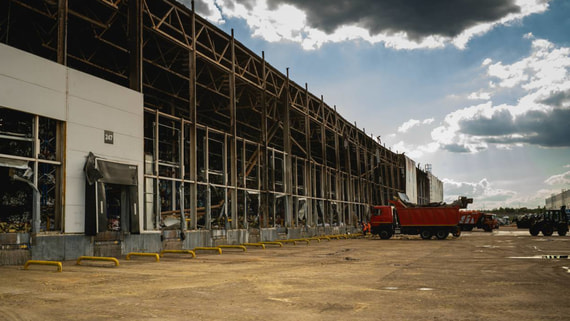
The overnight assault targeted numerous Russian regions, with air defense units working continuously to neutralize incoming threats. Officials reported that the drones approached from multiple directions, suggesting a coordinated operation designed to overwhelm defensive capabilities. Several regions reported damage to residential areas and critical infrastructure, with emergency services responding to fires and structural damage caused by falling debris from intercepted drones. Casualties were confirmed among civilians, though specific numbers varied across different regional reports. Local authorities in affected areas declared emergency protocols, with some regions temporarily suspending transportation services and closing airspace to civilian aircraft.
The geographic spread of the attack encompassed both border regions and areas deeper within Russian territory, demonstrating the increasing range and sophistication of Ukrainian drone capabilities. Energy facilities, industrial sites, and military installations were among the apparent targets, consistent with Ukraine’s stated strategy of disrupting Russian logistics and war-supporting infrastructure. Regional governors issued statements throughout the night, providing updates on interception efforts and damage assessments while urging residents to follow civil defense guidelines.
Evolution of Drone Warfare in the Conflict
The conflict between Russia and Ukraine has become a testing ground for drone warfare tactics, with both sides deploying increasingly sophisticated unmanned systems. Since the beginning of the full-scale invasion in February 2022, drone technology has evolved from simple reconnaissance tools to complex strike platforms capable of hitting targets hundreds of kilometers from launch sites. Ukraine has developed indigenous drone programs alongside utilizing systems provided by international partners, creating a diverse arsenal that includes both small kamikaze drones and larger long-range strike vehicles. The psychological and strategic impact of these attacks extends beyond immediate physical damage, as they force Russia to allocate significant resources to air defense across its vast territory.
Military analysts note that the frequency and scale of drone attacks have increased substantially over the past year, reflecting both improved Ukrainian manufacturing capabilities and tactical adaptations. Russia has responded by enhancing its air defense networks, deploying additional systems to protect critical infrastructure, and developing electronic warfare capabilities designed to disrupt drone guidance systems. The ongoing technological competition has created a dynamic battlefield where advantages are temporary and both sides continuously adapt their strategies. International observers have characterized the drone warfare aspect of this conflict as providing valuable lessons for military planners worldwide, as it demonstrates the potential of relatively inexpensive unmanned systems to challenge conventional military superiority.
Air Defense Capabilities and Strategic Implications
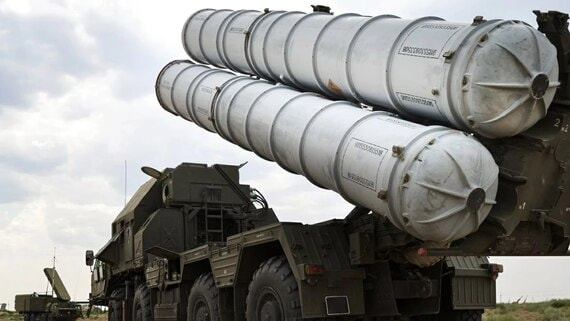
Russia’s air defense network represents one of the most extensive in the world, incorporating systems ranging from short-range point defense weapons to long-range interceptors designed for aircraft and ballistic missiles. The challenge of defending against mass drone attacks has forced adaptations in doctrine and deployment, as systems originally designed to counter manned aircraft and cruise missiles must now address swarms of smaller, slower targets. The reported interception of 375 drones in a single night, if accurate, suggests significant defensive capacity, though questions remain about the cumulative strain such attacks place on ammunition supplies and equipment maintenance. Each successful interception requires missiles or ammunition that may be increasingly difficult to replace under current sanctions conditions.
Strategic analysts emphasize that the true measure of success in these exchanges extends beyond simple interception rates. The economic calculus favors the attacker when inexpensive drones force defenders to expend costly missiles, creating an attrition dynamic that could prove significant over time. Furthermore, even intercepted drones that cause no direct damage serve intelligence-gathering purposes, revealing the locations and capabilities of air defense systems. As the conflict continues into its third year, the drone warfare dimension is expected to intensify, with both sides investing heavily in autonomous systems, artificial intelligence for targeting, and countermeasures designed to neutralize emerging threats.
Expert Opinion: The unprecedented scale of this drone attack signals a significant escalation in Ukraine’s deep-strike capabilities and suggests that mass drone assaults will become increasingly common as production capacity grows. While Russia’s air defense network demonstrated considerable interception capacity, the long-term sustainability of defending against such frequent large-scale attacks remains questionable given the asymmetric cost dynamics involved. Military strategists anticipate that drone swarm tactics will continue evolving, potentially incorporating AI-driven coordination that could overwhelm even the most sophisticated defensive systems.