In a significant escalation of cross-border attacks, Ukrainian armed forces have conducted a series of drone strikes targeting commercial infrastructure across multiple Russian regions, with particular focus on warehouse facilities belonging to Wildberries, Russia’s largest online retailer. The attacks, which occurred overnight and into the early morning hours, have resulted in casualties and substantial damage to civilian logistics infrastructure, marking a notable shift in targeting strategy that extends the conflict’s impact into the commercial sector.
The strikes represent one of the most coordinated attacks on Russian commercial facilities since the beginning of the conflict, affecting regions that have previously been considered relatively safe from military operations. Emergency services across several Russian oblasts reported responding to fires and explosions at warehouse complexes, with local authorities confirming both fatalities and injuries among workers present at the facilities during the attacks.
Scale and Geography of the Attacks
The drone strikes targeted Wildberries distribution centers in multiple Russian regions, demonstrating the expanding reach of Ukrainian unmanned aerial vehicle capabilities. Reports indicate that facilities in regions including Moscow Oblast, Tula, and other central Russian territories came under attack. The coordinated nature of the strikes suggests careful planning and intelligence gathering regarding the locations and operational schedules of these logistics hubs. Wildberries, founded in 2004 by Tatyana Bakalchuk, has grown to become one of Russia’s most valuable private companies, operating an extensive network of warehouses and pickup points across the country that serve millions of customers daily.
The company’s logistics infrastructure represents a critical component of Russia’s domestic e-commerce ecosystem, handling millions of packages daily and employing tens of thousands of workers across its distribution network. The targeting of such facilities marks a departure from previous strike patterns that primarily focused on military installations, energy infrastructure, and industrial facilities directly connected to defense production. Security analysts note that attacks on commercial logistics could be intended to disrupt supply chains and create economic pressure, though such targeting also raises significant concerns about civilian casualties.
Casualties and Emergency Response
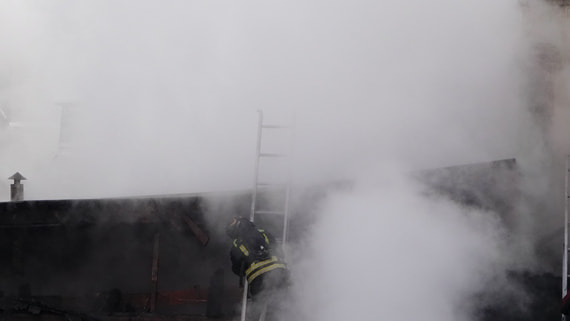
Russian authorities have confirmed multiple casualties resulting from the overnight strikes, though specific numbers remain subject to verification as emergency operations continue. Local emergency services were deployed to multiple locations simultaneously, stretching response capabilities across affected regions. Firefighting teams worked through the night to contain blazes at warehouse facilities, with some fires proving difficult to extinguish due to the large quantities of stored merchandise and packaging materials providing fuel for the flames.
Medical personnel treated injured workers at the scene and transported more seriously wounded individuals to nearby hospitals. The timing of the attacks during overnight hours, when warehouse operations typically continue with reduced staffing for order processing and logistics preparation, may have limited the number of potential casualties compared to peak operational periods. However, the presence of night-shift workers meant that the facilities were not empty when strikes occurred. Regional governors issued statements confirming the attacks while urging residents to remain calm and follow guidance from emergency services.
Strategic Implications and Analysis
The targeting of commercial infrastructure represents an evolution in the ongoing conflict’s dynamics, with potential implications for both military strategy and civilian economic activity. Military analysts suggest that strikes on logistics networks could serve multiple purposes, including disrupting potential dual-use supply chains, creating economic pressure on Russian businesses, and demonstrating the vulnerability of rear-area infrastructure. The attacks also highlight the increasing sophistication and range of drone technology being employed, with some strike locations situated hundreds of kilometers from Ukrainian-controlled territory.
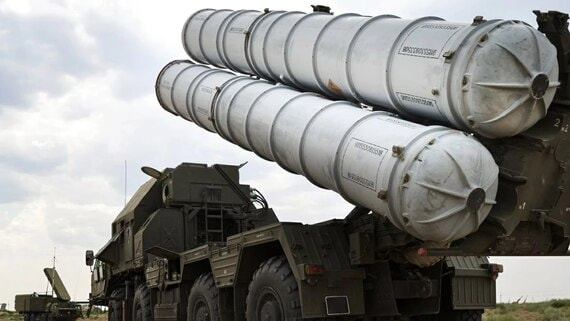
The Russian government has faced growing pressure to enhance air defense coverage across its vast territory, a challenge complicated by the scale of areas requiring protection and the limited number of advanced air defense systems available. Wildberries facilities, like many commercial warehouses, were not equipped with dedicated air defense protection, reflecting the previously perceived low threat level to such civilian infrastructure. The attacks may prompt reassessment of protective measures for critical commercial facilities and could affect insurance and operational costs across Russia’s logistics sector. International observers continue monitoring the situation, with particular attention to the humanitarian implications of expanding strike targets to include civilian commercial infrastructure.
Expert Opinion: The deliberate targeting of major e-commerce logistics infrastructure signals a strategic shift toward economic warfare tactics designed to impact daily civilian life and business operations deep within Russian territory. This approach may intensify as drone technology becomes more sophisticated and accessible, potentially prompting Russia to divert additional air defense resources from front-line positions to protect rear-area commercial assets. The long-term effectiveness of such tactics remains uncertain, but the psychological and economic disruption to ordinary commerce could prove significant if attacks continue.