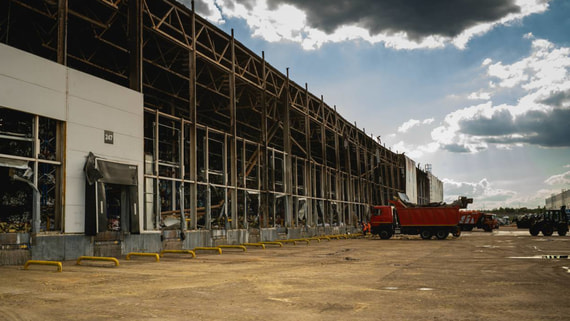
Ukrainian armed forces conducted a significant overnight military operation targeting multiple locations deep within Russian territory, including the Tula region and the Domodedovo area near Moscow. The coordinated strikes represent a continuation of Ukraine’s increasingly bold strategy of bringing the conflict directly to Russian soil, marking yet another escalation in the nearly three-year-old war. Russian military and civil defense authorities reported engaging multiple aerial targets, while emergency services were deployed to assess damage across several affected areas.
The attacks come amid heightened tensions and an intensifying exchange of long-range strikes between the two nations. Ukraine has progressively expanded its capability to strike targets hundreds of kilometers from the front lines, utilizing a combination of domestically produced drones and, according to some reports, Western-supplied long-range weapons systems. These operations aim to disrupt Russian military logistics, industrial capacity, and demonstrate that no part of Russia is beyond Kyiv’s reach.
Details of the Overnight Strikes on Tula and Moscow Regions
According to preliminary reports from Russian authorities, the Tula region, located approximately 180 kilometers south of Moscow, was among the primary targets of the overnight Ukrainian operation. The region hosts significant defense industry facilities, including enterprises involved in weapons manufacturing and ammunition production. Local officials reported that air defense systems were activated to intercept incoming threats, though specific details about successful interceptions or potential damage remained limited in initial statements.
The Domodedovo area, situated southeast of the Russian capital and home to one of Moscow’s busiest international airports, also came under attack. While Russian officials claimed that defensive measures prevented major damage, eyewitnesses reported hearing explosions and observing anti-aircraft activity in the night sky. The targeting of areas near major civilian infrastructure underscores the psychological dimension of Ukraine’s strategy, aiming to demonstrate vulnerability in regions Russians have traditionally considered safe from the conflict.
Ukraine’s Evolving Long-Range Strike Capabilities
Ukraine’s ability to conduct strikes deep within Russian territory has evolved dramatically since the war began in February 2022. Initially limited to artillery and short-range missile systems, Ukrainian forces have since developed an impressive indigenous drone program capable of reaching targets over 1,000 kilometers away. The Security Service of Ukraine (SBU) and military intelligence (GUR) have been credited with developing various drone platforms specifically designed for strategic strikes against Russian military and industrial targets.
Western allies have also contributed to Ukraine’s long-range capabilities, though with certain restrictions on use. The United States, United Kingdom, and France have provided various missile systems, with ongoing debates about authorizing their use against targets deep inside Russia. Military analysts suggest that Ukraine’s persistent strikes serve multiple strategic purposes: degrading Russian military production, stretching air defense resources thin, and maintaining pressure on the Kremlin to allocate resources away from front-line operations.
Russian Response and Retaliatory Strikes
In response to Ukrainian strikes, Russian forces have consistently launched their own retaliatory operations targeting Ukrainian infrastructure, military positions, and population centers. The pattern of escalation and counter-escalation has become a defining feature of the conflict, with both sides attempting to demonstrate resolve while managing the risks of further escalation. Russian military doctrine emphasizes responding to perceived provocations, particularly those targeting the Russian homeland, with proportional or greater force.
The Russian military has employed a variety of weapons in its strikes against Ukraine, including cruise missiles, ballistic missiles, and Iranian-designed Shahed drones. These attacks have caused significant damage to Ukraine’s energy infrastructure, civilian buildings, and military installations throughout the country. International observers and humanitarian organizations have documented the extensive toll on Ukrainian civilians, while also noting the increasing frequency of Ukrainian operations on Russian soil.
Strategic Implications and International Response
The intensification of cross-border strikes raises significant questions about the trajectory of the conflict and potential pathways to resolution. Western governments have largely supported Ukraine’s right to self-defense, including strikes on legitimate military targets within Russia, while expressing concerns about escalation risks. The Kremlin has repeatedly warned that continued Western support for Ukrainian strikes on Russian territory could lead to broader confrontation, though most analysts assess these warnings as primarily rhetorical.
As the war continues with no immediate end in sight, both sides appear committed to demonstrating military capability and resolve. The overnight strikes on Tula and the Moscow region represent the latest chapter in this ongoing struggle, with significant implications for the affected populations and the broader international security environment.
Expert Opinion: The increasing frequency and range of Ukrainian strikes deep into Russian territory suggest a deliberate strategy to impose costs on Moscow and shift the psychological dynamics of the conflict. Military analysts anticipate this pattern will continue through 2025, with Ukraine likely developing even more sophisticated long-range capabilities while Russia responds by strengthening air defenses around critical infrastructure and potentially escalating its own strike campaigns against Ukrainian targets.