
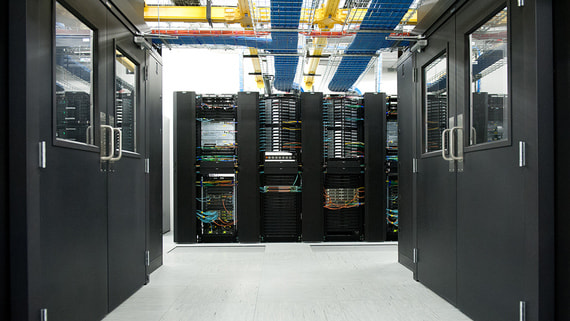
Major participants in Russia’s data center industry have filed formal complaints with Moscow Region authorities regarding significant increases in land lease rates. According to industry insiders, these rent hikes could substantially impact the pace of data center construction in one of the country’s most strategically important regions for digital infrastructure development. The complaints highlight growing tensions between commercial operators and regional governments as Russia pushes to expand its domestic data processing capabilities amid increasing demand for cloud services and data storage.
The Growing Strain on Data Center Development
The Moscow Region has emerged as a primary hub for data center construction in Russia, owing to its proximity to the capital, established power grid infrastructure, and relatively favorable climate conditions for cooling massive server facilities. However, industry representatives argue that recent increases in land lease payments are creating significant financial pressure on both existing operators and companies planning new facilities. Sources within the industry indicate that lease rates in some areas have increased by substantial margins, making previously viable projects economically questionable.
Data centers require significant upfront capital investment, with construction costs typically running into billions of rubles for large-scale facilities. The economics of these projects depend heavily on predictable operating costs over extended periods, often spanning 15 to 25 years. When land lease rates increase unexpectedly, it disrupts carefully calculated financial models and can delay or cancel planned expansions. Industry analysts note that the payback period for data center investments typically ranges from 7 to 12 years, making stable cost structures essential for project viability.
Strategic Implications for Russia’s Digital Infrastructure
The timing of these complaints is particularly significant given Russia’s broader push toward digital sovereignty and the expansion of domestic data processing capabilities. Following geopolitical shifts in recent years, there has been increased emphasis on keeping Russian data within national borders and reducing dependence on foreign cloud services. The government has actively promoted data center construction as a strategic priority, with various federal programs aimed at supporting the industry’s growth. However, conflicting policies at the regional level may undermine these national objectives.
Experts estimate that Russia currently has approximately 70-80 commercial data centers of various scales, with the Moscow Region hosting the largest concentration of these facilities. The country’s data center market has been growing at double-digit rates annually, driven by digitalization across government services, banking, telecommunications, and e-commerce sectors. Industry forecasts suggest that Russia will need to significantly expand its data processing capacity over the coming decade to meet projected demand, making the resolution of these land lease disputes crucial for the sector’s development trajectory.
Industry Response and Potential Solutions
Representatives from major data center operators have called for dialogue with regional authorities to establish more predictable and reasonable lease terms. Some industry participants have suggested implementing special economic zone provisions for data center projects or establishing fixed-rate lease agreements tied to inflation indices rather than market-driven reassessments. Others have pointed to successful models in other Russian regions where local governments have offered incentives to attract data center investments, including reduced lease rates, tax benefits, and streamlined permitting processes.
The Moscow Region government has not yet issued a formal response to the industry complaints, though officials have previously emphasized the need to balance commercial development with fair valuation of public land resources. The outcome of these negotiations could set important precedents for data center development across Russia, potentially influencing where companies choose to locate their facilities in the future. Some operators have already indicated they may consider alternative locations in neighboring regions if the lease situation in Moscow Region remains unfavorable, which could redistribute Russia’s digital infrastructure geography in significant ways.
Expert Opinion: The conflict between data center operators and regional authorities reflects a broader challenge in Russia’s digital infrastructure development—the need for long-term policy coordination between federal strategic objectives and regional fiscal priorities. Without resolution, we may see a migration of data center investments to regions offering more competitive terms, potentially creating inefficiencies in network architecture and increased latency for Moscow-based users. The government would be wise to establish unified guidelines for data center land leases that balance regional revenue needs with national digital infrastructure goals.