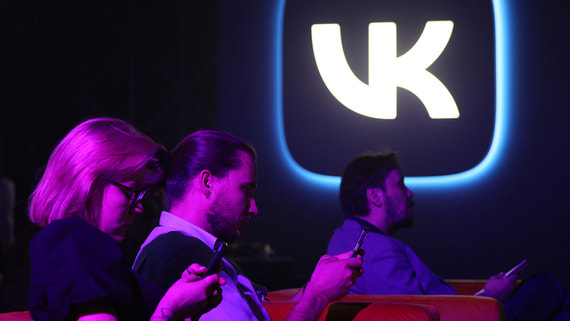
The digital landscape for Russian users has shifted dramatically following the removal of popular domestic applications from the Google Play Store. VK, Russia’s largest social network, and its companion messenger Max have disappeared from the world’s most widely used app marketplace, affecting an estimated 60 to 75 percent of Russian users who rely on Android devices. This development marks another chapter in the ongoing technological decoupling between Russia and Western digital infrastructure, forcing millions of users to seek alternative methods to access their preferred social media platforms.
The removal comes amid escalating tensions and sanctions that have progressively isolated Russian technology companies from global digital ecosystems. For years, VK has served as the backbone of Russian social media, functioning as a combination of Facebook, Spotify, and YouTube for its user base. The platform, which boasts over 100 million monthly active users, has become deeply integrated into the daily lives of Russians for communication, entertainment, content sharing, and even business operations. The sudden unavailability of these apps through conventional channels represents a significant disruption to established digital habits.
Understanding the Technical Workarounds
Russian users now have several options to continue accessing VK and Max on their Android devices. The most straightforward approach involves downloading applications directly from VK’s official website. This method, known as sideloading, requires users to enable installation from unknown sources in their device settings—a security feature that Android typically keeps disabled by default. While this process is relatively simple, it does require users to be more vigilant about ensuring they download only from legitimate sources to avoid malicious software.
Another increasingly popular option is utilizing RuStore, Russia’s domestically developed app marketplace that was launched in 2022 specifically to provide an alternative to Western app stores. The platform has grown substantially since its inception and now hosts thousands of applications, including all major Russian services. RuStore comes pre-installed on many devices sold in Russia and can be easily downloaded on others. The Russian government has actively promoted this platform as part of broader efforts to develop technological sovereignty and reduce dependence on foreign digital infrastructure.
The Broader Context of Digital Sovereignty
The removal of Russian apps from Google Play reflects a larger pattern of technological fragmentation that has accelerated since 2022. International sanctions and corporate decisions have progressively limited Russian access to Western technology services, from payment systems to cloud computing. In response, Russian authorities have intensified efforts to build domestic alternatives across the technology stack. This includes not only app stores but also payment systems, social networks, and even operating systems designed to reduce vulnerability to external restrictions.
Industry analysts note that while these workarounds provide functional solutions, they come with certain trade-offs. Apps downloaded outside official stores may not receive automatic updates, potentially leaving users with outdated versions that could contain security vulnerabilities. Additionally, the sideloading process, while straightforward for tech-savvy users, may present challenges for older generations or those less comfortable with technology. Russian technology companies have responded by creating detailed guides and customer support resources to assist users through the transition.
Looking Forward: Implications for Russian Internet Users
The situation highlights the growing importance of digital resilience and the potential risks of dependence on foreign-controlled infrastructure. For Russian users, maintaining access to domestic services now requires greater technical awareness and willingness to adapt to changing circumstances. Technology experts suggest that this trend toward digital separation may continue, making familiarity with alternative download methods increasingly valuable. Meanwhile, Russian technology companies are investing heavily in improving their independent distribution channels to ensure seamless user experiences despite the absence from major international platforms.
Expert Opinion: The removal of major Russian applications from Google Play accelerates the bifurcation of the global internet into distinct technological spheres. While Russian users will adapt through alternative distribution channels, this fragmentation creates long-term challenges for software security, user experience consistency, and cross-border digital communication. We can expect continued investment in domestic digital infrastructure as technological sovereignty becomes a strategic priority for nations seeking independence from Western-controlled platforms.