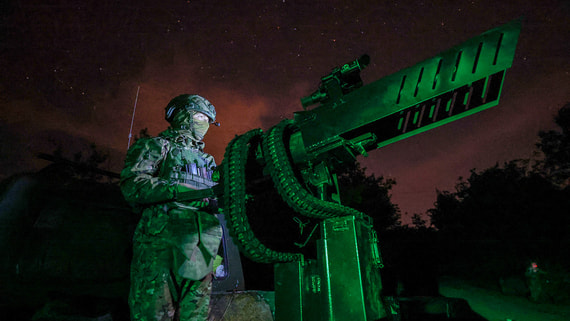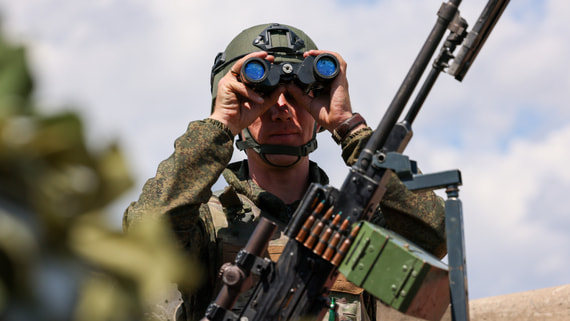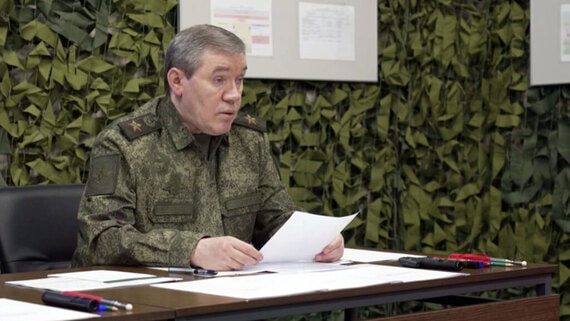
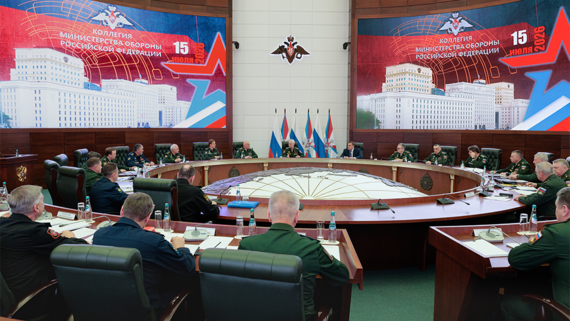
The Russian Ministry of Defense recently convened a significant collegium meeting to address critical matters concerning the nation’s military development and strategic planning for the coming year. The session brought together top military officials and defense leadership to discuss comprehensive plans for modernizing the Armed Forces, expanding unmanned combat capabilities, and introducing cutting-edge military technology. These discussions reflect Russia’s ongoing efforts to maintain and enhance its military posture amid evolving global security challenges and the continuing conflict in Ukraine, which has fundamentally reshaped military priorities and accelerated technological development across all branches of the armed forces.
Key Takeaways from the Defense Ministry Meeting
- Russian defense spending has reportedly risen to 6-7% of GDP, roughly double pre-conflict levels of around 3-4%.
- The Ministry of Defense is establishing dedicated unmanned combat units, treating drones as a distinct combat arm rather than support assets.
- Defense factories are running multiple shifts as the country shifts toward what officials describe as a wartime economy.
- Electronic warfare systems and armored vehicle survivability are priority areas following battlefield lessons from Ukraine.
- Partnerships with domestic manufacturers aim to reduce reliance on foreign drone suppliers while scaling production capacity.
Defense Budget and Strategic Planning for the Year Ahead
The collegium meeting addressed the comprehensive annual plan for Russia’s defense sector, outlining key objectives and resource allocation for the upcoming period. Defense planning in Russia follows a structured approach that integrates strategic assessments, threat analysis, and capability requirements into actionable programs. The Ministry of Defense has been operating under heightened pressure since February 2022, with military expenditure reaching unprecedented levels in the post-Soviet era. According to recent budget documents, Russia’s defense spending has increased substantially, with some estimates suggesting military expenditure now accounts for approximately 6-7% of the country’s GDP, a significant increase from pre-conflict levels of around 3-4%.
The annual planning process encompasses everything from personnel recruitment and training to equipment procurement and maintenance schedules. Russian military leadership has emphasized the need for sustained production capabilities, particularly in ammunition, armored vehicles, and precision-guided munitions. The defense industrial complex has been operating in an intensified mode, with many factories running multiple shifts to meet increased demand. This represents a fundamental shift in Russia’s defense posture, moving from a peacetime footing to what officials describe as a wartime economy focused on military production and modernization.
Ongoing Armed Forces Overhaul Across All Branches
| Period | Defense Spending (% of GDP) |
|---|---|
| Pre-conflict baseline | Approximately 3-4% |
| Current estimates | Approximately 6-7% |
A central topic of discussion was the ongoing modernization of Russia’s Armed Forces, a process that has been underway for over a decade but has gained new urgency given current operational requirements. The modernization program encompasses all service branches, including ground forces, aerospace forces, navy, strategic rocket forces, and airborne troops. Key areas of focus include upgrading existing platforms, introducing new weapons systems, improving command and control infrastructure, and enhancing electronic warfare capabilities. The conflict in Ukraine has provided real-world testing conditions for various systems, leading to rapid iterations and improvements based on battlefield feedback.
Historical context is important for understanding Russia’s modernization trajectory. Following the 2008 conflict with Georgia, which revealed significant shortcomings in the Russian military, a comprehensive reform program was initiated under Defense Minister Anatoly Serdyukov and continued by his successor Sergei Shoigu. This “New Look” reform aimed to transform the Soviet-era mass mobilization army into a more professional, mobile, and technologically advanced force. The current phase of modernization builds upon these earlier efforts while incorporating lessons learned from recent combat operations, including the extensive use of artillery, the importance of air defense systems, and the critical role of logistics and sustainment in prolonged operations.
Drone Warfare Takes Center Stage in Combat Doctrine
Perhaps the most significant topic addressed during the collegium meeting was the development of Russia’s unmanned warfare capabilities. The conflict in Ukraine has demonstrated the transformative impact of drones on modern warfare, with both reconnaissance and strike unmanned aerial vehicles playing decisive roles in combat operations. Russia has been working to expand its drone forces, establishing dedicated units and developing domestic production capabilities to reduce reliance on foreign suppliers. The creation of specialized unmanned combat units represents a doctrinal shift, recognizing drones as a distinct combat arm rather than merely support assets.
The Russian military has employed various types of unmanned systems, from small tactical reconnaissance drones to larger strike platforms like the Orlan series and Lancet loitering munitions. However, analysts have noted that Russia initially lagged behind in drone development compared to adversaries, prompting accelerated investment in this sector. The Ministry of Defense has reportedly established partnerships with domestic manufacturers and technology companies to scale production and develop new capabilities, including AI-assisted targeting systems, swarm technologies, and improved electronic warfare resistance. This emphasis on unmanned systems reflects a broader global trend, as militaries worldwide recognize that future conflicts will be increasingly characterized by autonomous and remotely operated platforms.
New Military Technologies Entering Service
The collegium meeting also addressed the introduction of newest military technology across the Russian Armed Forces. This includes advanced radar systems, next-generation communication equipment, improved armored vehicle protection, and enhanced precision strike capabilities. The defense ministry has been working to integrate lessons from combat operations into rapid development cycles, shortening the time between identifying requirements and fielding new systems. Particular emphasis has been placed on electronic warfare systems, which have proven crucial in countering enemy reconnaissance and precision-guided weapons, as well as on improving the survivability of armored vehicles against modern anti-tank systems.
The technological dimension of military modernization extends beyond weapons systems to include digital infrastructure, satellite communications, and cybersecurity capabilities. Russia has been developing its military space assets and working to create more resilient communication networks that can function in contested electromagnetic environments. The integration of these various technological threads into a coherent operational framework represents a significant challenge, requiring not only equipment but also trained personnel, updated doctrine, and organizational adaptations. The collegium meeting addressed these integration challenges, with discussions reportedly focusing on interoperability between different systems and the training requirements for operating increasingly sophisticated equipment.
Strategic Implications of Russia's Military Shift
The collegium meeting underscores a fundamental reorientation of Russian military priorities shaped by the Ukraine conflict. The doubling of defense spending as a percentage of GDP represents an enormous fiscal commitment that will strain other sectors of the economy. This is not merely an adjustment but a structural transformation toward sustained military production, with implications for Russia’s economic trajectory for years to come.
The elevation of drone units to a distinct combat arm marks a doctrinal evolution that other militaries are watching closely. Russia’s initial disadvantage in unmanned systems appears to have prompted crash programs in domestic production and AI-assisted targeting. Whether these efforts can close capability gaps remains uncertain, but the organizational recognition of drones as a primary rather than auxiliary asset signals lasting change in how Russia plans to fight.
The emphasis on electronic warfare and vehicle survivability reflects hard lessons from combat losses. Integrating these improvements while maintaining production volume creates competing pressures on the defense industrial base. The meeting’s focus on interoperability and training suggests leadership recognizes that fielding new equipment means little without personnel capable of employing it effectively in contested environments.
Common Questions About Russian Military Modernization
Why is Russia increasing defense spending so significantly?
The ongoing conflict in Ukraine has driven Russia to shift from peacetime military posture to what officials describe as a wartime economy. This includes running defense factories on multiple shifts, accelerating equipment production, and sustaining forces engaged in prolonged combat operations requiring continuous ammunition and vehicle replacement.
What types of drones is Russia developing for combat?
Russia employs tactical reconnaissance drones, strike platforms like the Orlan series, and Lancet loitering munitions. Current development efforts focus on AI-assisted targeting, swarm technologies, and systems with improved resistance to electronic warfare countermeasures, with production being scaled through domestic manufacturer partnerships.
How have battlefield lessons from Ukraine changed Russian military priorities?
Combat experience has highlighted the decisive role of drones, the importance of electronic warfare for countering precision weapons, and vulnerabilities in armored vehicle protection. The Ministry of Defense has reportedly shortened development cycles to field improvements faster, focusing particularly on survivability and counter-drone capabilities.
Expert Opinion: The emphasis on drone warfare development and rapid technological adaptation signals Russia’s recognition that modern conflict requires continuous innovation rather than reliance on legacy systems alone. The success of these modernization efforts will largely depend on Russia’s industrial capacity to sustain high-volume production while simultaneously advancing technological capabilities—a challenging balance that will test the defense sector’s resilience over the coming years. International observers should closely monitor Russia’s progress in domesticating drone production, as this will serve as a key indicator of the country’s ability to adapt its military-industrial complex to 21st-century warfare requirements.