
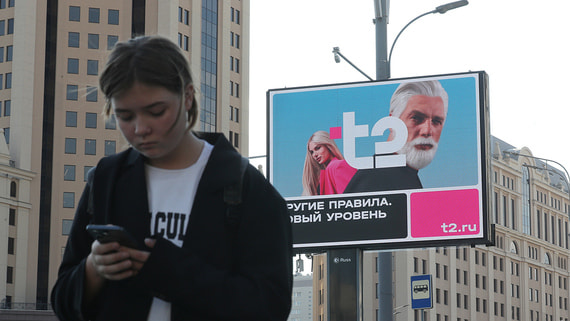
In a significant legal battle shaping up in Russia’s telecommunications sector, mobile operator T2 (formerly Tele2) has initiated court proceedings against competitor Beeline over the unauthorized use of the ‘Mix’ trademark. The dispute centers on Beeline’s multi-subscription service that allegedly infringes on T2’s registered intellectual property rights, potentially exposing the defendant to substantial financial penalties calculated at twice the revenue generated from the contested service.
The Heart of the Trademark Dispute
The conflict emerged when T2 discovered that Beeline had launched a subscription bundle service using the ‘Mix’ name, which T2 claims exclusive rights to within the telecommunications industry. Russian intellectual property law provides robust protection for registered trademarks, and violations can result in significant financial consequences. According to legal experts, if the court rules in favor of T2, Beeline could face penalties amounting to double the entire revenue earned from its Mix-branded multi-subscription offering since its launch.
This type of trademark litigation has become increasingly common in Russia’s competitive telecommunications market, where companies fiercely protect their brand identities and service names. The ‘Mix’ trademark has particular commercial value as it suggests flexibility and customization—qualities highly attractive to modern consumers seeking personalized service packages. T2 has invested considerable resources in building brand recognition around this name, making any unauthorized usage a serious competitive threat.
Background on Russia’s Telecom Giants
The Russian telecommunications market is dominated by several major players, with T2 and Beeline among the most prominent. T2, which rebranded from Tele2 in recent years, has established itself as a disruptive force in the market, often competing on price while building a reputation for innovative service offerings. Beeline, operated by VEON Ltd., is one of Russia’s oldest mobile operators with a massive subscriber base and extensive network infrastructure. The rivalry between these companies has intensified as market saturation forces operators to compete more aggressively for customer loyalty and new revenue streams.
Multi-subscription services, which bundle various digital offerings such as streaming, music, and cloud storage into single packages, have become crucial battlegrounds for telecom operators worldwide. These services not only generate additional revenue but also increase customer retention by creating ecosystem lock-in. The fight over the ‘Mix’ name reflects the strategic importance both companies place on this growing market segment.
Legal Implications and Industry Impact
Russian trademark law, governed primarily by Part IV of the Civil Code, provides trademark holders with exclusive rights to use their registered marks in commerce. Infringement cases typically require the plaintiff to demonstrate prior registration and similarity between the marks that could cause consumer confusion. If T2 successfully proves its case, the double-revenue penalty provision serves as both compensation and deterrent, designed to discourage companies from calculating that infringement profits might outweigh potential legal costs.
Industry analysts suggest this case could set important precedents for how telecommunications companies approach brand naming in Russia. The outcome may prompt operators to conduct more thorough trademark searches before launching new services and could lead to increased licensing negotiations between competitors holding valuable intellectual property. For consumers, such legal clarity helps ensure that brand names reliably indicate the source and quality of services they purchase.
Expert Opinion: This trademark dispute highlights the growing importance of brand protection in Russia’s maturing telecommunications market. As operators increasingly compete on service differentiation rather than just price and coverage, intellectual property becomes a critical strategic asset. The case’s outcome will likely influence how aggressively Russian telecom companies defend their trademarks and could trigger a wave of similar litigation as competitors scrutinize each other’s branding more closely.