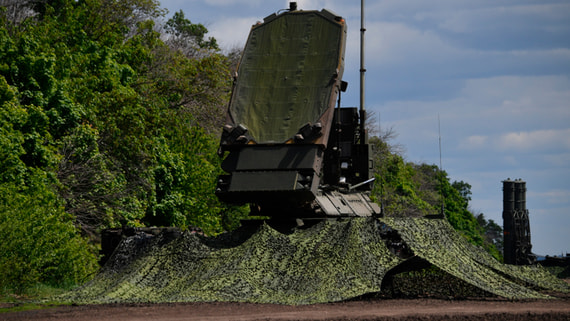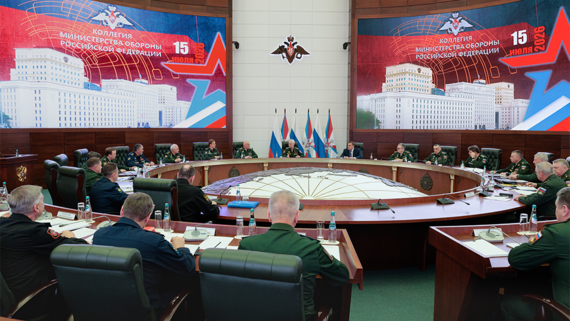

The Russian Ministry of Defense announced a series of coordinated strikes against Ukrainian military-industrial complex facilities during the night of July 19, 2024. According to official military statements, the attacks successfully hit defense production enterprises in Kyiv as well as critical port infrastructure in the Odesa region. These overnight operations represent a continuation of Russia’s strategic campaign to degrade Ukraine’s domestic weapons manufacturing capabilities and logistics networks that have been crucial to the country’s defense efforts.
The strikes on the Ukrainian capital targeted facilities believed to be involved in the production and repair of military equipment. Kyiv has served as a major hub for Ukraine’s defense industry since the Soviet era, housing numerous factories and research institutes that have been working at increased capacity since the conflict began in February 2022. Russian forces have periodically launched missile and drone attacks against these facilities, though Ukrainian officials rarely confirm specific damage to military production sites, citing operational security concerns.
Strategic Importance of Port Infrastructure in Odesa Region
The targeting of port infrastructure in the Odesa region carries significant strategic implications beyond immediate military objectives. Odesa and its surrounding ports have historically served as Ukraine’s primary gateway for maritime trade, handling the vast majority of the country’s grain exports and serving as a crucial link in global food supply chains. Since the beginning of the conflict, these facilities have taken on additional military importance, serving as potential entry points for Western military aid and equipment delivered via Black Sea routes.
The Odesa region’s ports, including facilities at Chornomorsk and Pivdennyi, have been repeatedly targeted throughout the conflict. Following the collapse of the Black Sea Grain Initiative in July 2023, which had provided a framework for safe passage of commercial vessels, attacks on port infrastructure have intensified. International observers have expressed concern about the impact on global food security, as Ukraine remains one of the world’s largest exporters of wheat, corn, and sunflower oil, with these commodities traditionally shipped through Black Sea ports.
Ukraine’s Defense Industry Under Pressure
Ukraine’s defense industrial base has become a primary target in Russia’s military strategy as the conflict approaches its third year. Before the war, Ukraine possessed one of the most developed military-industrial complexes among former Soviet states, capable of producing everything from armored vehicles and aircraft engines to missiles and ammunition. Companies like Ukroboronprom, the state defense conglomerate, operated dozens of facilities across the country, many of which have been forced to relocate, disperse production, or operate under constant threat of attack.
Despite the challenges, Ukrainian defense manufacturers have demonstrated remarkable resilience and adaptability. Many facilities have moved underground or relocated to western Ukraine, further from Russian launch positions. The country has also accelerated domestic production of drones, including both reconnaissance and attack variants, which have become a defining feature of the conflict. Western nations have provided substantial support for Ukraine’s defense industry, including technology transfers and joint production agreements, though Russia’s continued targeting of these facilities poses ongoing challenges to scaling up domestic output.
Air Defense and International Response
The overnight strikes underscore the ongoing challenge Ukraine faces in defending its critical infrastructure against Russian long-range precision weapons. Ukraine has received numerous air defense systems from Western allies, including American Patriot batteries, German IRIS-T systems, and various other platforms, yet the sheer volume of missiles, cruise missiles, and drones employed by Russian forces means that some projectiles inevitably penetrate defensive coverage. Ukrainian officials have repeatedly called for additional air defense capabilities, describing them as the most urgent military need.
International reactions to strikes on Ukrainian civilian and industrial infrastructure have generally condemned such attacks, with Western governments characterizing them as violations of international humanitarian law when they affect civilian areas. The United Nations and various humanitarian organizations have documented extensive damage to Ukraine’s energy infrastructure, residential buildings, and civilian facilities throughout the conflict. Russia maintains that its strikes target only military objectives and facilities supporting Ukraine’s war effort, though independent verification of specific targets remains difficult given the fog of war and restrictions on media access.
Expert Opinion: The continued targeting of Ukraine’s defense industry and logistics infrastructure reflects Russia’s strategic shift toward degrading Ukraine’s long-term warfighting capacity rather than achieving rapid territorial gains. As Ukraine becomes increasingly reliant on domestically produced drones and ammunition to supplement Western supplies, protecting these production facilities will become even more critical. The coming months will likely see an intensification of this industrial warfare, with both sides racing to outproduce and outprotect their respective defense manufacturing capabilities.