A significant overnight drone attack targeted multiple regions across Russia, resulting in at least one civilian casualty in Saratov and damage to critical infrastructure including oil tankers. In response, Russian forces launched retaliatory strikes against industrial facilities in Kyiv, marking another intense exchange in the ongoing aerial warfare between the two nations. The attacks underscore the evolving nature of modern conflict, where unmanned aerial vehicles have become a primary tool for both offensive operations and strategic disruption deep behind enemy lines.
Widespread Damage Across Russian Territory
The overnight assault affected several Russian regions simultaneously, with reports of drone strikes reaching deep into the country’s interior. In Saratov, located approximately 850 kilometers from the Ukrainian border, authorities confirmed at least one civilian death as a result of the attack. The city, an important industrial and transportation hub along the Volga River, has become an increasingly frequent target as Ukraine expands its long-range strike capabilities. Local emergency services worked through the early morning hours to assess damage and provide assistance to affected residents.
Among the most significant targets hit were oil tankers, though specific details about their locations and the extent of damage remained limited as Russian authorities typically restrict information about military and strategic infrastructure strikes. The Russian oil and gas sector has faced repeated attacks throughout the conflict, with Ukraine seeking to disrupt Moscow’s primary source of export revenue. Since the beginning of 2024, dozens of Russian refineries and fuel storage facilities have reported drone strikes, forcing some to reduce operations or undergo lengthy repairs. Energy analysts estimate these attacks have reduced Russia’s refining capacity by several percentage points, though the exact economic impact remains difficult to quantify.
Moscow’s Retaliatory Strike on Ukrainian Capital
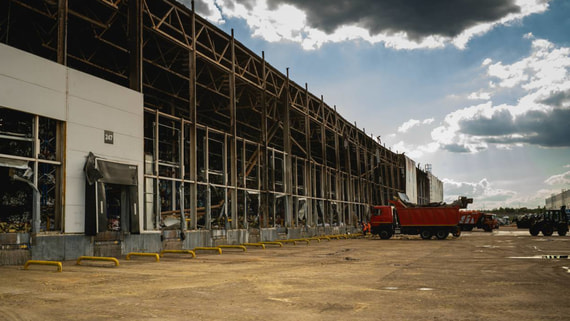
In apparent retaliation for the cross-border attacks, Russian forces launched strikes against Kyiv, targeting what Moscow described as industrial facilities. Ukrainian authorities reported that several factories in the capital were hit, though they provided limited details about the specific locations or the nature of manufacturing conducted at these sites. Air raid sirens sounded across the city during the early morning hours, sending residents to underground shelters as defense systems engaged incoming threats.
The Ukrainian capital has faced regular aerial attacks since the beginning of Russia’s full-scale invasion in February 2022. The city’s air defense network, bolstered by Western-supplied systems including Patriot missiles, has intercepted numerous incoming projectiles, though some inevitably penetrate these defenses. Kyiv’s population has largely adapted to the constant threat, with many residents developing routines around the frequent alerts while continuing their daily lives. The psychological toll of nearly three years of persistent attacks, however, continues to affect millions of Ukrainian civilians.
The Evolution of Drone Warfare in the Conflict
The exchange highlights the increasingly central role that unmanned aerial vehicles play in the Russia-Ukraine conflict. Both sides have invested heavily in drone technology, from small commercial quadcopters modified for dropping grenades to sophisticated long-range systems capable of striking targets hundreds of kilometers away. Ukraine has developed an indigenous drone production capability, supplementing foreign supplies with domestically manufactured systems designed specifically for deep strikes into Russian territory.
Military analysts note that drone attacks serve multiple strategic purposes beyond immediate physical damage. They force adversaries to allocate significant resources to air defense, create psychological pressure on civilian populations, and demonstrate the ability to project power across vast distances. The relatively low cost of many drone systems compared to traditional missiles makes sustained campaigns economically viable, even as defenders struggle to develop cost-effective countermeasures. Both Russia and Ukraine continue to adapt their tactics, with electronic warfare systems and anti-drone technologies evolving alongside offensive capabilities.
The conflict has effectively become a testing ground for next-generation warfare technologies, with lessons learned likely to influence military doctrine worldwide for decades to come. International observers closely monitor these developments, recognizing that the tactics and technologies employed in Ukraine may define future conflicts globally.
Expert Opinion: The simultaneous nature of these attacks across multiple regions suggests increasingly sophisticated coordination in Ukraine’s long-range strike operations, while Russia’s response demonstrates its continued capability to threaten Ukrainian urban centers. As both sides develop more advanced drone technologies and countermeasures, we can expect this aerial dimension of the conflict to intensify, with critical infrastructure remaining the primary target set for both nations throughout 2025.