In a significant escalation of tensions between Tehran and Washington, Iranian officials have announced what they describe as the definitive end of an era characterized by one-sided agreements with the United States. This declaration comes amid renewed strategic posturing in one of the world’s most critical maritime chokepoints, as Iran has once again moved to block the Strait of Hormuz, dramatically raising stakes in an already volatile region.
The announcement reflects Tehran’s increasingly assertive foreign policy stance and signals a fundamental shift in how Iran intends to conduct negotiations with Western powers moving forward. Iranian leadership has made clear that any future diplomatic engagement must occur on terms of mutual respect and equal footing, rejecting what they characterize as decades of coercive diplomacy from Washington.
Strategic Importance of the Strait of Hormuz
The Strait of Hormuz represents one of the most strategically significant waterways on Earth, serving as the primary passage for approximately 20 percent of the world’s oil supply. This narrow channel, measuring only 21 miles wide at its narrowest point, connects the Persian Gulf to the Gulf of Oman and subsequently to the Arabian Sea. Any disruption to traffic through this critical chokepoint sends immediate shockwaves through global energy markets, affecting oil prices worldwide and threatening the energy security of nations across Asia, Europe, and beyond.
Iran’s decision to block the strait is not without historical precedent. During the Iran-Iraq War in the 1980s, both nations targeted oil tankers in what became known as the Tanker War, severely disrupting maritime commerce. More recently, tensions flared in 2019 when several tankers were attacked near the strait, incidents that the United States attributed to Iran. Tehran has consistently maintained that it possesses the capability and willingness to close the strait if its national interests are threatened, viewing control over these waters as a critical leverage point in its dealings with Western powers.
Historical Context of US-Iran Relations
The relationship between the United States and Iran has been marked by decades of mistrust and confrontation dating back to the 1953 CIA-backed coup that overthrew democratically elected Prime Minister Mohammad Mosaddegh. The 1979 Islamic Revolution and subsequent hostage crisis fundamentally transformed bilateral relations, establishing a pattern of antagonism that persists to this day. Multiple attempts at rapprochement have yielded limited results, with the 2015 Joint Comprehensive Plan of Action, commonly known as the Iran nuclear deal, representing perhaps the most significant diplomatic breakthrough in decades.
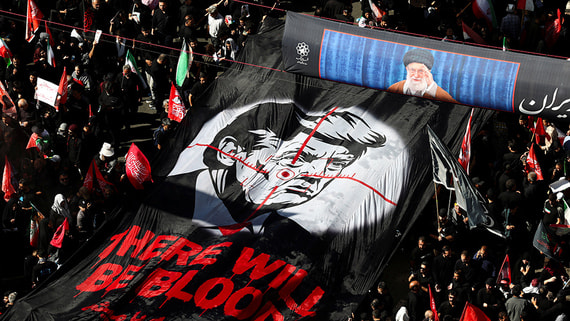
The Trump administration’s withdrawal from the JCPOA in 2018 and subsequent implementation of a “maximum pressure” campaign through severe economic sanctions reinforced Tehran’s perception that Washington cannot be trusted to honor international agreements. Iranian officials frequently point to this withdrawal as evidence that the United States approaches negotiations in bad faith, seeking one-sided arrangements that benefit American interests while constraining Iranian sovereignty. This historical grievance appears to underpin Iran’s current declaration that such asymmetric dealings have reached their conclusion.
Regional and Global Implications
The current standoff carries profound implications for regional stability and global economic security. Gulf Cooperation Council nations, including Saudi Arabia, the United Arab Emirates, and Kuwait, depend heavily on the strait for their oil exports and view any Iranian moves to restrict passage with grave concern. Meanwhile, major Asian economies such as China, Japan, and South Korea receive substantial portions of their energy imports through these waters, giving them significant stakes in maintaining freedom of navigation.
International maritime law, specifically the United Nations Convention on the Law of the Sea, guarantees transit passage through straits used for international navigation. However, Iran has periodically challenged these provisions, arguing that its security concerns supersede conventional interpretations of maritime rights. The international community, led by the United States and its allies, has historically maintained naval presence in the region to ensure continued access to these vital shipping lanes, creating potential flashpoints for direct military confrontation.
Energy analysts warn that prolonged disruption to traffic through the Strait of Hormuz could trigger dramatic increases in global oil prices, potentially exceeding levels seen during previous supply crises. Such price shocks would reverberate through economies worldwide, exacerbating inflationary pressures and potentially triggering recessionary conditions in nations heavily dependent on imported petroleum. The situation underscores the interconnected nature of global energy security and the outsized influence that regional conflicts can exert on international economic stability.
Expert Opinion: Iran’s simultaneous diplomatic declaration and strategic action in the Strait of Hormuz represents a calculated gambit to reestablish negotiating leverage ahead of any potential talks with Western powers. This approach suggests Tehran has concluded that only demonstrated willingness to impose costs on the global economy will compel Washington to offer more balanced terms. The coming weeks will prove critical in determining whether this escalation leads to renewed diplomatic engagement or further deterioration toward direct confrontation.