
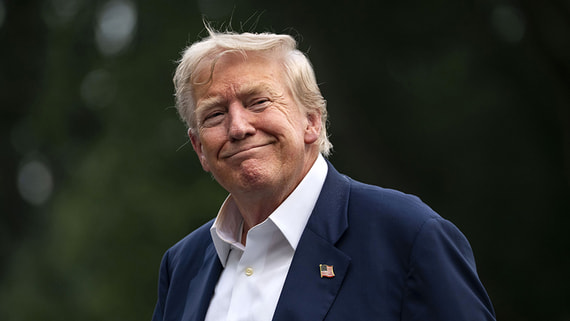
Democratic lawmakers are ramping up efforts to launch comprehensive investigations into business entities connected to former President Donald Trump, signaling that impeachment proceedings remain a viable option should evidence emerge of improper influence on government administration. This renewed focus on Trump’s extensive business network comes as Democrats seek to establish clearer boundaries between private commercial interests and public governance, a concern that has persisted throughout Trump’s political career and continues to generate controversy.
The planned investigations represent a significant escalation in the ongoing political scrutiny of Trump’s financial dealings and business relationships. Democratic leaders have indicated that they intend to examine whether any Trump-affiliated companies have exerted undue influence over policy decisions or benefited improperly from government contracts and regulatory decisions. The scope of these inquiries is expected to encompass real estate holdings, licensing agreements, and various international business ventures that have long raised questions about potential conflicts of interest.
Historical Context of Conflict of Interest Concerns
The tension between Trump’s business empire and his political role dates back to his initial presidential campaign in 2016. Unlike previous presidents who placed their assets in blind trusts or divested from business holdings entirely, Trump maintained ownership of his company, the Trump Organization, throughout his presidency. This arrangement drew criticism from ethics experts and political opponents who argued it created unprecedented opportunities for conflicts of interest. The company’s portfolio includes hotels, golf courses, and licensing deals spanning multiple continents, making it difficult to separate personal financial interests from national policy considerations.
During his time in office, questions arose about foreign governments booking rooms at Trump-branded properties, potentially as a way to curry favor with the administration. The Emoluments Clause of the Constitution, which prohibits federal officials from receiving gifts or payments from foreign governments without congressional approval, became a focal point of legal challenges, though courts ultimately dismissed most cases on procedural grounds rather than ruling on the merits.
Scope of the Democratic Investigation Strategy
The current Democratic strategy involves utilizing congressional oversight powers to subpoena financial records, conduct hearings with key witnesses, and compile evidence that could support more serious legislative action. Committee chairs in relevant jurisdictions are reportedly coordinating their efforts to avoid duplication and ensure comprehensive coverage of potential irregularities. Sources familiar with the planning indicate that investigators will focus particularly on transactions that occurred during and immediately after Trump’s presidency, looking for patterns that might suggest improper coordination between business activities and governmental functions.
Legal experts note that impeachment, while politically significant, requires meeting a high threshold of evidence demonstrating “high crimes and misdemeanors.” Democrats acknowledge this challenge but maintain that thorough investigation is necessary regardless of the ultimate outcome. The investigations may also produce findings relevant to potential criminal referrals or civil litigation, even if impeachment itself does not advance. Congressional investigations have historically served as important fact-finding mechanisms that inform public understanding of potential misconduct, regardless of whether they lead directly to removal from office.
Political Implications and Republican Response
Republicans have characterized the Democratic investigations as politically motivated attacks designed to damage Trump’s ongoing influence within the party and his potential future political ambitions. GOP leaders argue that the investigations represent a misuse of congressional resources and distract from pressing legislative priorities such as economic policy and national security. This defensive posture reflects the continued significance of Trump within Republican politics, where he maintains substantial support among the party base and has not ruled out future political campaigns.
The timing of these investigations also carries strategic importance as both parties position themselves for upcoming electoral cycles. Democrats hope that exposing potential misconduct could weaken Trump’s political standing, while Republicans aim to portray the inquiries as evidence of partisan overreach. This dynamic ensures that the investigations will unfold against a backdrop of intense political pressure from all sides, potentially affecting both the conduct of the inquiries and their public reception.
Expert Opinion: The Democratic investigation strategy represents a calculated political maneuver that balances accountability concerns with electoral considerations. While impeachment remains technically possible, the more likely outcome involves generating documentary evidence that shapes public narrative and potentially supports state-level prosecutions. The success of these efforts will largely depend on whether investigators can demonstrate concrete links between business activities and policy decisions, rather than relying on circumstantial evidence of conflicts of interest.