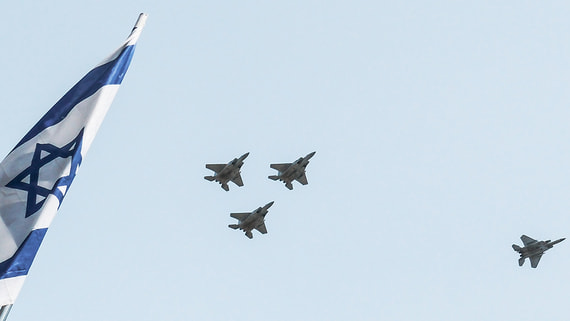
Tensions in the Middle East have reached a new flashpoint as Israeli Air Force jets reportedly attacked a Syrian military base where Turkish forces may have been present. This incident has raised serious questions about the potential for a direct military confrontation between two of the region’s most powerful nations — Israel and Turkey — both of which have significant strategic interests in war-torn Syria. The attack represents a dangerous escalation in an already volatile region where multiple international actors are vying for influence and control.
The relationship between Israel and Turkey, once characterized by close military cooperation and diplomatic ties, has deteriorated significantly over the past fifteen years. The turning point came in 2010 with the Mavi Marmara incident, when Israeli commandos raided a Turkish-flagged flotilla attempting to break the Gaza blockade, resulting in the deaths of ten Turkish activists. Since then, diplomatic relations have oscillated between periods of tension and attempted reconciliation, though they have never fully recovered to their previous warmth.
Strategic Interests Collide in Syria
Both Israel and Turkey have established significant military presences in Syria, though their objectives differ considerably. Turkey has maintained forces in northern Syria since 2016, primarily focused on preventing Kurdish forces from establishing an autonomous region along its border. Ankara views the Kurdish YPG militia, which the United States has supported in the fight against ISIS, as a terrorist organization linked to the PKK insurgency within Turkey. Israeli operations in Syria, meanwhile, have focused predominantly on targeting Iranian military assets, Hezbollah weapons shipments, and infrastructure that could threaten Israeli security.
The Syrian civil war, which began in 2011 and has claimed over 500,000 lives, has transformed the country into a complex battlefield where the interests of regional and global powers frequently intersect. Russia maintains a significant military presence supporting the Assad government, while Iran has deployed advisors and proxy forces to bolster the regime. The United States continues to maintain a smaller footprint in eastern Syria, ostensibly to prevent an ISIS resurgence. This crowded military landscape increases the risk of unintended confrontations between parties that may not be in direct conflict.
Assessing the Risk of Direct Conflict
Despite the heightened tensions, military analysts suggest that a full-scale war between Israel and Turkey remains unlikely, though not impossible. Both nations are NATO members’ close allies — Turkey being a NATO member itself, while Israel maintains a strategic partnership with the United States. Any direct military confrontation would likely trigger significant international diplomatic intervention and could destabilize the entire Eastern Mediterranean region. Furthermore, both countries possess sophisticated military capabilities, including advanced air forces, missile systems, and substantial ground forces, making any conflict potentially devastating for both sides.
Economic considerations also serve as a restraining factor. Despite political tensions, Israel and Turkey have maintained significant trade relationships, and both economies would suffer from military confrontation. Natural gas discoveries in the Eastern Mediterranean have created new interdependencies, with potential pipeline projects requiring regional cooperation. Additionally, both nations face common threats from extremist organizations and have occasionally shared intelligence on terrorism, suggesting that pragmatic cooperation remains possible even amid political disagreements.
The international community, particularly the United States, has historically worked to prevent escalation between these two important regional allies. Washington maintains crucial military relationships with both Tel Aviv and Ankara, including the deployment of American troops at Turkish bases and substantial military aid to Israel. Any conflict between Israel and Turkey would force the United States into an extremely difficult diplomatic position and potentially compromise Western security interests throughout the Middle East. European nations, Russia, and the United Nations would also likely intervene diplomatically to prevent escalation.
Future Outlook and Regional Implications
Looking ahead, the situation in Syria will likely continue to generate friction between Israel and Turkey, particularly as both nations pursue their respective security objectives in the region. The key to preventing escalation lies in maintaining communication channels and establishing clear deconfliction mechanisms. Both countries have shown a capacity for pragmatism in the past, including the normalization agreement reached in 2022 that restored full diplomatic relations after years of tension. However, incidents like the recent airbase attack serve as stark reminders of how quickly the situation could deteriorate. The international community must remain vigilant and engaged to prevent miscalculation or escalation that could transform localized tensions into a broader regional conflict.
Expert Opinion: While the immediate risk of full-scale war between Israel and Turkey remains low due to mutual deterrence and international pressure, the frequency of near-miss incidents in Syria suggests that both nations are operating dangerously close to each other’s red lines. The most likely scenario involves continued tactical confrontations that are managed through back-channel diplomacy, but a single miscalculation resulting in Turkish military casualties could rapidly escalate tensions beyond either government’s control. The coming months will be critical in determining whether both nations can establish more robust deconfliction protocols in Syrian airspace.