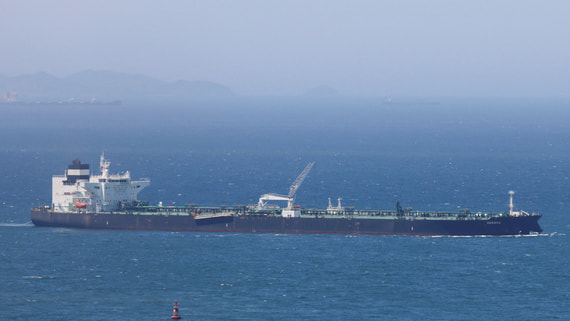

The United States appears poised to dramatically escalate its economic pressure campaign against Iran, raising critical questions about the scope and effectiveness of potential new sanctions. As tensions in the Middle East continue to simmer, the Trump administration has signaled its willingness to deploy America’s full economic arsenal against Tehran, potentially triggering what analysts are calling an unprecedented sanctions war that could reshape global trade relationships and energy markets.
The prospect of intensified economic warfare comes at a pivotal moment in US-Iran relations. Washington has long viewed economic sanctions as a primary tool for constraining Iranian influence in the region and pressuring Tehran over its nuclear program. However, the current administration’s approach suggests a more aggressive strategy that could extend well beyond Iran itself, targeting third-party nations and companies that maintain economic ties with the Islamic Republic.
The Arsenal of Economic Weapons
The United States possesses an unparalleled toolkit for waging economic warfare on the global stage. At the center of this arsenal is the dominance of the US dollar in international trade and finance. Approximately 88% of all foreign exchange transactions involve the dollar, giving Washington extraordinary leverage over global commerce. Any entity seeking to conduct business in dollars must ultimately route transactions through American banks, creating a chokepoint that US authorities can exploit to enforce sanctions compliance.
Secondary sanctions represent perhaps the most powerful weapon in America’s economic arsenal. Unlike primary sanctions, which prohibit US persons and entities from dealing with designated targets, secondary sanctions threaten to cut off foreign companies and banks from the American financial system if they continue doing business with sanctioned parties. This extraterritorial reach has proven remarkably effective, as few major international corporations or financial institutions can afford to lose access to US markets and dollar-based transactions.
Historical Context and Lessons Learned
The history of US sanctions against Iran stretches back to the 1979 Islamic Revolution and the subsequent hostage crisis. However, the most severe sanctions regime was implemented between 2010 and 2015, when coordinated international pressure helped bring Tehran to the negotiating table, ultimately resulting in the Joint Comprehensive Plan of Action nuclear deal. During that period, Iran’s oil exports plummeted from approximately 2.5 million barrels per day to roughly 1 million, while the country’s economy contracted significantly and inflation soared.
The Trump administration’s 2018 withdrawal from the nuclear agreement and subsequent reimposition of sanctions demonstrated both the power and limitations of economic pressure. While Iranian oil exports again declined dramatically and the economy suffered substantial damage, Tehran neither collapsed nor abandoned its regional policies. Instead, Iran developed sophisticated sanctions evasion techniques, including ship-to-ship transfers of oil, the use of front companies, and increased reliance on cryptocurrency and alternative payment systems.
Global Implications and Allied Concerns
Any expansion of the sanctions war carries significant implications for America’s relationships with key allies. European nations, in particular, have expressed frustration with the extraterritorial application of US sanctions, viewing it as an infringement on their sovereignty. The European Union has attempted to create mechanisms like INSTEX, a special purpose vehicle designed to facilitate non-dollar trade with Iran, though these efforts have achieved only limited success.
China and Russia present more complex challenges. Both nations have shown willingness to absorb American economic pressure while maintaining ties with Tehran. China remains Iran’s largest oil customer, and both countries have explored ways to conduct bilateral trade outside the dollar system. The potential for sanctions to accelerate de-dollarization efforts among US adversaries represents a long-term strategic concern that policymakers must weigh against short-term pressure objectives.
Energy Markets and Economic Ripple Effects
The global energy market remains acutely sensitive to any escalation in US-Iran tensions. Iran possesses the world’s fourth-largest proven oil reserves and second-largest natural gas reserves. Complete isolation of Iranian energy exports from global markets would likely trigger significant price increases, potentially affecting everything from gasoline costs for American consumers to industrial production costs worldwide. The timing of any sanctions escalation could prove particularly challenging given ongoing concerns about global economic stability and inflation.
Economists warn that aggressive sanctions expansion could produce unintended consequences across multiple sectors. Supply chain disruptions, particularly affecting industries dependent on rare materials or specialized components, could ripple through global manufacturing. Financial institutions face increasing compliance costs and legal risks, potentially leading to over-compliance that affects legitimate trade with non-sanctioned parties in the region.
Expert Opinion: The effectiveness of maximum pressure campaigns ultimately depends on coalition building and sustained international cooperation. While the United States possesses formidable economic tools, unilateral action risks fragmenting the global financial system and accelerating the development of alternative payment networks that could diminish American leverage over time. The next phase of sanctions policy will likely determine whether economic pressure remains Washington’s most potent non-military instrument or becomes a catalyst for fundamental changes in global economic architecture.