A series of unusual incidents involving Panama-flagged vessels in Chinese waters has raised eyebrows among international shipping experts, with many viewing these developments as a calculated response to Panama’s recent decision to expel a Hong Kong-based holding company from operations at the Panama Canal. The situation represents a significant escalation in maritime tensions that could have far-reaching implications for global shipping routes and diplomatic relations between China and Latin American nations.
The troubles affecting Panamanian-registered ships appear to be neither coincidental nor random. Industry observers have noted a marked increase in port inspections, unexpected delays, and various administrative complications specifically targeting vessels flying the Panamanian flag. These developments come at a particularly sensitive time, as the Panama Canal remains one of the world’s most critical chokepoints for international maritime commerce, handling approximately 5% of global seaborne trade annually.
The Panama Canal Dispute: Origins and Escalation
The current diplomatic friction traces its roots to Panama’s decision to remove CK Hutchison Holdings, a major Hong Kong-based conglomerate, from its operations at key ports surrounding the Panama Canal. CK Hutchison had operated the ports of Balboa and Cristobal for over two decades through its subsidiary Hutchison Ports, managing critical infrastructure at both the Pacific and Atlantic entrances to the canal. The company’s removal followed intense political pressure and concerns about strategic infrastructure falling under foreign influence.
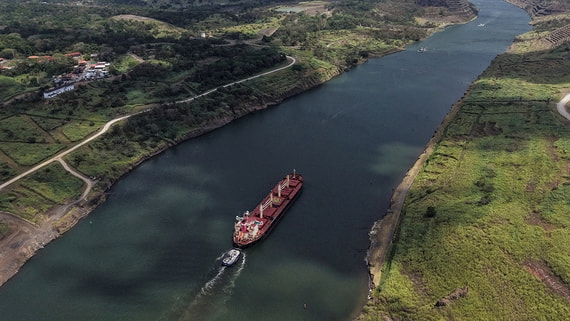
The Panama Canal has long been a subject of geopolitical significance. Originally constructed by the United States between 1904 and 1914, the waterway was transferred to Panamanian control in 1999 following the Torrijos-Carter Treaties. The 82-kilometer canal saves ships traveling between the Atlantic and Pacific oceans approximately 8,000 nautical miles compared to navigating around South America’s Cape Horn. This strategic importance makes any disruption to canal operations or related shipping a matter of global economic concern.
Impact on Global Shipping and Maritime Commerce
Panama operates one of the world’s largest ship registries, known as a “flag of convenience” system that allows vessel owners from any country to register their ships under the Panamanian flag. This registry includes over 8,000 vessels and represents a significant portion of global maritime tonnage. The flag state system provides shipowners with various benefits, including favorable tax treatment and flexible regulatory requirements. Any systematic targeting of Panama-flagged vessels could therefore affect shipping companies from numerous nations worldwide.
Maritime analysts suggest that the current situation reflects broader tensions in the evolving relationship between China and Latin America. China has invested heavily in infrastructure projects throughout the region as part of its Belt and Road Initiative, and any perceived setback to these interests may prompt corresponding actions. The shipping industry, with its complex web of international registrations, port calls, and logistical dependencies, provides numerous opportunities for applying subtle economic pressure without resorting to overt confrontation.
International Response and Future Implications
The international shipping community is watching these developments with growing concern. Industry associations have called for transparency and adherence to international maritime law, emphasizing that politicizing port operations and vessel inspections undermines the global trading system. Some experts warn that retaliatory measures targeting specific flag states could establish dangerous precedents that ultimately harm all participants in international commerce. The situation remains fluid, with diplomatic channels reportedly active as both sides assess their options and the potential consequences of further escalation.
Expert Opinion: This tit-for-tat approach to maritime commerce signals a concerning trend where critical global infrastructure becomes leverage in geopolitical disputes. If China continues applying pressure on Panama-flagged vessels, we may see shipping companies reconsidering their registry choices, potentially benefiting alternative flag states like Liberia or the Marshall Islands. The long-term risk is a fragmentation of the international maritime order that has facilitated global trade for decades.