As India approaches the 80th anniversary of its independence in 2027, the nation stands at a pivotal crossroads that promises to redefine its trajectory for decades to come. This milestone is increasingly being viewed not merely as a celebration of past achievements, but as a launching pad for an ambitious future. With a population exceeding 1.4 billion people, a rapidly growing economy, and an expanding technological footprint, India is positioning itself to become one of the defining powers of the 21st century. The upcoming anniversary serves as both a moment of reflection on the journey since 1947 and a catalyst for transformative national goals.
From Colonial Past to Global Powerhouse
India’s independence on August 15, 1947, marked the end of nearly two centuries of British colonial rule and the beginning of the world’s largest democratic experiment. The nation that emerged from partition faced seemingly insurmountable challenges: widespread poverty, religious tensions, limited infrastructure, and the monumental task of unifying a diverse population speaking hundreds of languages across thousands of ethnic groups. Under the leadership of Jawaharlal Nehru and subsequent prime ministers, India pursued a policy of non-alignment during the Cold War while gradually building its industrial base and democratic institutions. The economic liberalization reforms of 1991, initiated by then-Finance Minister Manmohan Singh, fundamentally transformed the Indian economy, opening it to foreign investment and unleashing entrepreneurial energy that had been constrained by the so-called “License Raj.”
Today, India stands as the world’s fifth-largest economy by nominal GDP, having recently surpassed the United Kingdom—its former colonial ruler—in economic output. This symbolic overtaking represents more than mere statistics; it embodies the remarkable transformation of a nation that was once dismissed as a land of poverty and underdevelopment. The country has become a global hub for information technology services, pharmaceutical manufacturing, and increasingly, advanced research and development. Indian engineers, doctors, and business leaders occupy prominent positions in multinational corporations and prestigious institutions worldwide, creating a powerful diaspora network that strengthens ties between India and the global economy.
The Vision for 2027 and Beyond
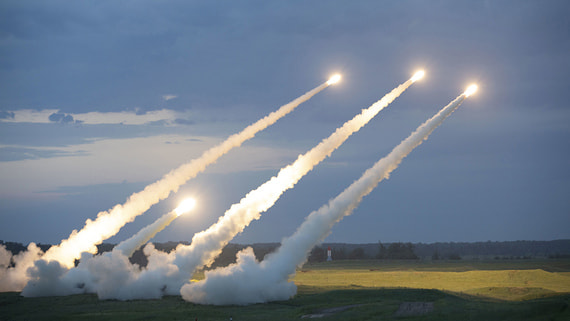
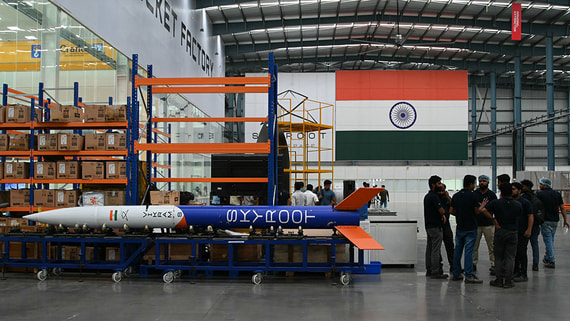
Prime Minister Narendra Modi’s government has articulated an ambitious vision for India’s centennial of independence in 2047, when the nation will mark 100 years as a free country. The 80th anniversary in 2027 serves as a crucial intermediate milestone in this journey toward what officials have termed “Viksit Bharat” or “Developed India.” The government has set aggressive targets across multiple sectors: expanding manufacturing capacity to make India a global production hub, achieving self-sufficiency in defense equipment, transitioning to renewable energy sources, and lifting millions more citizens out of poverty. Infrastructure investments worth hundreds of billions of dollars are underway, including new highways, railways, airports, and digital connectivity projects designed to integrate even the most remote regions into the national economy.
The demographic dimension of India’s ambitions cannot be overstated. While many developed nations grapple with aging populations and shrinking workforces, India benefits from a demographic dividend, with a median age of just 28 years. This young population represents both an opportunity and a challenge: if properly educated and employed, these hundreds of millions of young Indians can drive unprecedented economic growth; if neglected, they could become a source of social instability. The government has responded with initiatives focused on skill development, digital literacy, and entrepreneurship promotion, recognizing that human capital development is essential to realizing national aspirations.
Challenges on the Path Forward
Despite the optimism surrounding India’s future, significant obstacles remain on the path to developed-nation status. Environmental degradation poses serious threats, with major cities regularly experiencing dangerous air pollution levels and water scarcity affecting millions of farmers and urban residents alike. Climate change impacts—including more severe monsoons, droughts, and extreme heat events—threaten agricultural productivity and economic stability. The country must balance its development imperatives with environmental sustainability, a challenge that has proven difficult for every industrializing nation. Additionally, persistent inequality between regions, castes, and religious communities requires continued attention to ensure that economic growth benefits all Indians rather than creating a two-tier society.
Geopolitically, India navigates an increasingly complex international environment. Relations with neighboring Pakistan remain tense, while the rise of China presents both economic opportunities and security challenges along the disputed Himalayan border. India has responded by deepening partnerships with Western democracies through forums like the Quad alliance while maintaining its traditional policy of strategic autonomy. As the 80th anniversary approaches, India’s leaders recognize that the nation’s global standing will depend not only on economic metrics but also on its ability to project soft power, maintain democratic values, and contribute to solving shared global challenges from climate change to pandemic preparedness.
Expert Opinion: India’s 80th independence anniversary represents a strategic inflection point where the nation must convert its demographic advantages and economic momentum into sustainable, inclusive development. The success of this transition will likely determine whether India joins the ranks of developed nations by its centennial in 2047 or remains trapped in middle-income status. International observers should watch for progress on three key indicators: manufacturing sector growth, education quality improvements, and environmental policy implementation.