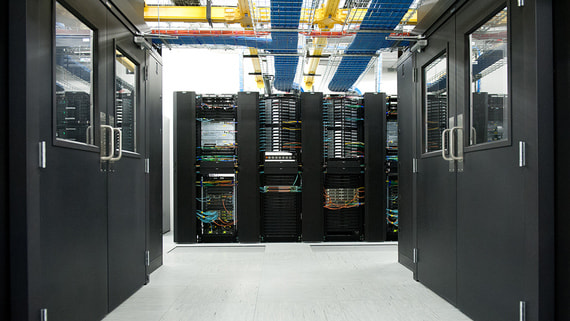
The Russian data center industry is calling on the government to establish legal protections that would prevent the seizure of land occupied by critical digital infrastructure for state needs. Industry representatives are seeking legislative guarantees that would shield existing data centers from forced relocation or demolition, arguing that such facilities represent vital components of the nation’s digital economy and cannot be easily moved or rebuilt.
The appeal comes amid growing concerns within the technology sector about the vulnerability of data center operations to land requisition procedures. As urban development projects and state infrastructure initiatives expand across Russia, operators of data processing facilities fear that their installations could be targeted for demolition to make way for roads, housing developments, or other government priorities. The industry argues that data centers deserve special protected status similar to other critical infrastructure.
The Strategic Importance of Data Infrastructure
Data centers have become the backbone of modern digital services, housing the servers and networking equipment that power everything from banking systems and e-commerce platforms to government services and social media. In Russia, the demand for data center capacity has grown exponentially over the past decade, driven by digitalization initiatives, the rise of cloud computing, and increasing data localization requirements that mandate Russian user data be stored within the country’s borders.
The construction of a modern data center represents a significant investment, often running into hundreds of millions of rubles. These facilities require specialized infrastructure including redundant power supplies, advanced cooling systems, fire suppression equipment, and high-speed fiber optic connections. Unlike conventional commercial buildings, data centers cannot simply be relocated without causing massive disruption to the businesses and services that depend on them. Even a brief interruption in operations can result in substantial financial losses and compromise critical services.
Legal Framework and Industry Concerns
Under current Russian law, the government retains broad powers to requisition private land for state needs, with compensation provided to property owners. However, industry representatives argue that standard compensation formulas fail to account for the unique value and operational complexity of data center facilities. The cost of rebuilding a data center at a new location, migrating data and equipment, and managing the transition without service interruptions far exceeds typical property valuations.
The data center sector has been lobbying for amendments to federal legislation that would either exempt such facilities from land requisition procedures or establish special protections requiring extended notice periods and enhanced compensation packages. Some industry voices have suggested that data centers should be classified as critical information infrastructure, which would afford them additional legal protections under existing cybersecurity legislation.
Market Growth and Future Outlook
Russia’s data center market has experienced remarkable growth in recent years, with total capacity expanding by approximately 15-20 percent annually. Major operators have announced ambitious expansion plans, with new facilities under construction in Moscow, St. Petersburg, and regional centers. The government’s own digital transformation initiatives have contributed to this growth, as federal agencies migrate services online and require reliable data storage solutions.
Industry analysts note that legal uncertainty regarding land tenure could dampen investment enthusiasm and slow the pace of infrastructure development. Foreign and domestic investors alike require assurance that their assets will be protected over the long operational lifespan of data center facilities, which typically spans 15-25 years. Without such guarantees, operators may hesitate to commit capital to new projects or may seek to locate facilities in jurisdictions with more favorable legal frameworks.
The outcome of the industry’s lobbying efforts could have significant implications for Russia’s digital economy ambitions. As the country seeks to reduce dependence on foreign technology services and build domestic digital capabilities, ensuring adequate and legally protected data center capacity will be essential. The government faces the challenge of balancing infrastructure development priorities with the need to support the growth of a strategic technology sector.
Expert Opinion: The data center industry’s request reflects a broader global trend of recognizing digital infrastructure as critical national assets requiring special legal protections. Given Russia’s aggressive push toward digital sovereignty and data localization, the government will likely find it politically and economically necessary to accommodate these demands in some form. We can expect legislative amendments within the next 12-18 months that provide enhanced protections for certified data center facilities, though the specific mechanisms and qualifying criteria remain subject to negotiation between industry stakeholders and government regulators.