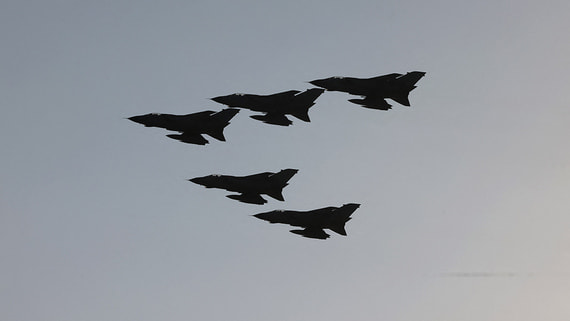
A fragile period of relative calm in the Middle East has come to a dramatic end as the United States and Saudi Arabia launched coordinated military strikes against Iranian-backed militias operating in Iraq. The sudden escalation follows the collapse of diplomatic negotiations centered on the strategically vital Strait of Hormuz, marking a significant deterioration in regional stability that experts warn could have far-reaching consequences for global energy markets and international security.
The breakdown of talks between Washington and Tehran over navigation rights and security arrangements in the Persian Gulf had been building for weeks. Diplomatic sources indicate that fundamental disagreements over sanctions relief, military presence, and Iran’s nuclear program created insurmountable obstacles. The failure of these negotiations appears to have triggered an immediate shift toward military options, with both the US and Saudi Arabia moving swiftly to demonstrate resolve against what they characterize as Iranian aggression by proxy.
Strategic Importance of the Strait of Hormuz
The Strait of Hormuz represents one of the world’s most critical chokepoints for global energy supplies, with approximately 20 percent of the world’s oil passing through its narrow waters daily. At its narrowest point, the strait measures just 21 miles wide, making it exceptionally vulnerable to disruption. Iran has historically threatened to close the waterway in response to international pressure, a move that would send shockwaves through global markets and potentially trigger a severe energy crisis affecting economies worldwide.
The strategic significance of this maritime corridor cannot be overstated. Six of the world’s top oil-producing nations—Saudi Arabia, Iran, Iraq, Kuwait, the United Arab Emirates, and Qatar—rely on the strait for their petroleum exports. Any military conflict in the region immediately raises concerns about supply disruptions, insurance costs for shipping, and the broader implications for energy-dependent economies in Europe and Asia.
Iranian Proxy Networks in Iraq
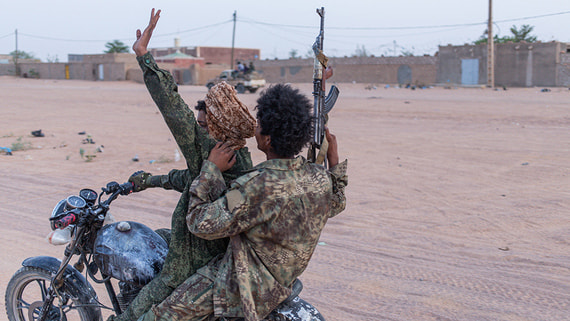
The targets of the recent strikes—Iranian-backed militia groups operating within Iraqi territory—represent a complex network of armed organizations that have grown significantly in influence since the 2003 US invasion of Iraq. These groups, often collectively referred to as the Popular Mobilization Forces (PMF), were formally integrated into Iraq’s security apparatus following their role in combating ISIS. However, many maintain strong ideological and operational ties to Tehran’s Islamic Revolutionary Guard Corps.
Washington has long accused these militias of launching drone and rocket attacks against US military installations and diplomatic facilities in Iraq and Syria. The groups have also been implicated in attacks on international shipping and have served as conduits for Iranian weapons and training. For Iran, these proxy forces represent a cost-effective means of projecting power throughout the region while maintaining plausible deniability—a strategy that has proven remarkably effective in extending Tehran’s influence from Lebanon to Yemen.
Regional and Global Implications
The coordinated nature of the US-Saudi military response signals a renewed alignment between Washington and Riyadh on confronting Iranian influence. This partnership, which experienced strain during recent diplomatic outreach efforts, appears to have solidified in the wake of failed negotiations. Saudi Arabia, which has been engaged in its own proxy conflict with Iranian-backed Houthi rebels in Yemen, views the containment of Tehran’s regional ambitions as an existential priority.
Energy markets responded immediately to news of the strikes, with crude oil prices surging in early trading. Analysts warn that sustained military confrontation could push prices significantly higher, potentially reigniting inflationary pressures in economies still recovering from recent global disruptions. The timing is particularly sensitive given ongoing concerns about global economic stability and the delicate balance of energy supplies following disruptions caused by conflicts elsewhere.
International observers are calling for restraint from all parties, with the United Nations Security Council expected to convene emergency sessions to address the escalating situation. European allies have expressed concern about the breakdown in diplomatic efforts, while China and Russia—both of which maintain significant economic ties with Iran—have condemned the military strikes as destabilizing provocations.
Expert Opinion: The simultaneous collapse of Hormuz negotiations and escalation of military action suggests we may be entering a new, more volatile phase of US-Iranian confrontation. The involvement of Saudi Arabia indicates this is not merely a bilateral dispute but a broader regional realignment that could reshape Middle Eastern geopolitics for years to come. Markets should prepare for sustained uncertainty as the risk of miscalculation leading to wider conflict remains dangerously high.