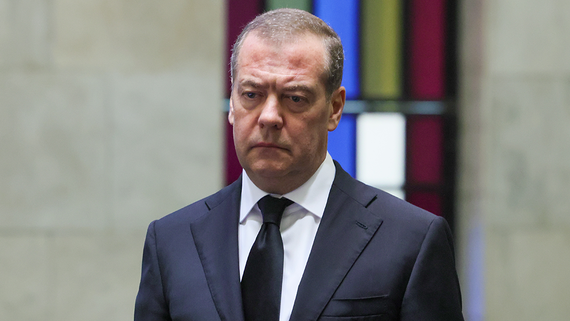
Dmitry Medvedev, Deputy Chairman of the Russian Security Council and former President of Russia, has issued a provocative response to discussions within the European Union regarding a potential ban on entry for Russian citizens who participated in the special military operation in Ukraine. In his characteristic sharp rhetoric, Medvedev suggested that such measures would actually benefit Russia by ensuring that millions of citizens permanently lose any illusions about Western countries and their intentions toward the Russian Federation.
The statement comes amid escalating tensions between Russia and Western nations, which have implemented unprecedented sanctions packages since the beginning of the conflict in February 2022. The European Union has already imposed multiple rounds of restrictive measures targeting Russian officials, oligarchs, and various sectors of the Russian economy. A potential travel ban specifically targeting military personnel and operation participants would represent a significant expansion of these existing restrictions.
Context of EU-Russia Relations and Existing Sanctions
The relationship between Russia and the European Union has deteriorated dramatically since 2014, when Russia annexed Crimea, and reached its lowest point following the launch of the special military operation in Ukraine in 2022. The EU has implemented over a dozen sanctions packages that have targeted everything from Russian energy exports to luxury goods imports, frozen assets of prominent Russian figures, and restricted air travel between EU member states and Russia.
Currently, many EU countries have already suspended or severely limited visa issuance to Russian citizens. Countries like Estonia, Latvia, Lithuania, Poland, and Finland have been particularly vocal advocates for stricter measures, given their geographical proximity to Russia and historical experiences during the Soviet era. The proposed ban on military operation participants would add another layer to these existing restrictions, though implementation and verification would present significant logistical challenges for border authorities.
Medvedev’s Evolving Political Rhetoric
Dmitry Medvedev, who served as Russia’s President from 2008 to 2012 and was once considered a relatively moderate figure open to dialogue with the West, has dramatically transformed his public persona since 2022. His statements have become increasingly confrontational, with frequent warnings about nuclear escalation and sharp criticism of Western leaders. Political analysts suggest this rhetorical shift reflects both the changing political climate in Russia and Medvedev’s efforts to maintain relevance within the country’s power structures.
His latest comments about participants losing illusions align with a broader Russian government narrative that frames Western sanctions and restrictions as evidence of fundamental hostility toward Russia and its citizens. This messaging serves domestic political purposes by strengthening nationalist sentiment and reducing the appeal of emigration or Western orientation among the Russian population, particularly among those directly involved in military service.
Implications for Russian Military Personnel and Veterans
The potential travel ban would affect hundreds of thousands, possibly millions, of Russian citizens who have served in the special military operation since its inception. This includes not only active-duty military personnel but also mobilized reservists, volunteers, and members of private military companies. For many of these individuals, travel to Europe for tourism, business, or family visits would become permanently impossible if such measures were implemented.
From a practical standpoint, verifying an individual’s participation in military operations presents considerable difficulties for European border agencies. Unlike sanctions targeting named individuals, a broader categorical ban would require access to Russian military records or reliance on other intelligence sources. This implementation challenge may ultimately limit the scope and effectiveness of any proposed restrictions, though some argue that the symbolic and deterrent value of such measures remains significant regardless of enforcement difficulties.
Broader Strategic Implications
The exchange highlights the deepening divide between Russia and Western nations, with both sides increasingly viewing the relationship as irreconcilable for the foreseeable future. European officials argue that such measures are necessary to hold individuals accountable for actions in Ukraine, while Russian authorities frame them as collective punishment designed to isolate ordinary Russian citizens. This fundamental disagreement on the nature and purpose of sanctions reflects broader incompatibilities in worldviews that will likely persist well beyond any eventual resolution of the current conflict, shaping European security architecture for decades to come.
Expert Opinion: The proposed EU travel ban represents more of a symbolic gesture than an effective policy tool, given the enormous verification challenges involved. However, its strategic significance lies in accelerating the psychological separation between Russian military personnel and the West, potentially creating a generation of citizens with no personal stake in normalized relations. This dynamic could complicate future reconciliation efforts and entrench adversarial postures on both sides for years to come.