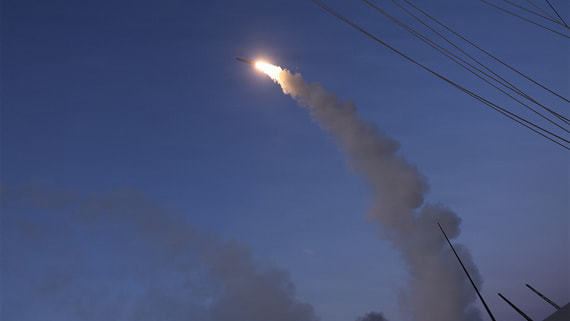
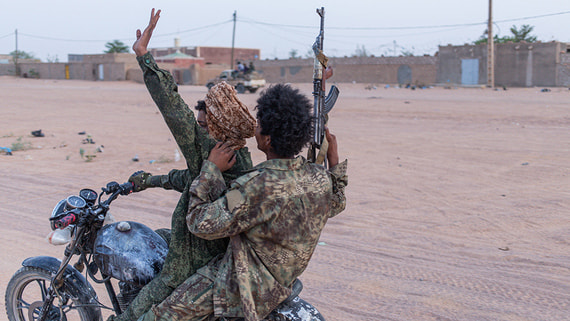
Ukraine is taking significant steps toward formalizing and expanding the export of its military expertise, a move that could transform the country into a major global player in defense consulting and military training services. After more than three years of intense combat experience against one of the world’s largest military powers, Ukrainian officials believe their hard-won battlefield knowledge represents a valuable commodity that could benefit allied nations while generating much-needed revenue for the war-torn economy.
The initiative comes as Ukraine has developed what military analysts consider some of the most advanced real-world combat capabilities in modern warfare, including drone operations, electronic warfare, urban combat tactics, and integrated command systems. This expertise, forged in the crucible of daily combat operations, has attracted significant interest from NATO members and other countries seeking to modernize their own defense capabilities based on lessons from actual 21st-century warfare.
From Battlefield to Boardroom: Monetizing Combat Experience
The proposed legislation would create a legal framework for Ukrainian military personnel, veterans, and defense companies to offer training, consulting, and advisory services to foreign governments and military organizations. This would include tactical training programs, drone warfare instruction, cybersecurity consulting, and strategic defense planning based on Ukraine’s extensive experience in asymmetric warfare against a technologically sophisticated adversary.
Military experts note that Ukraine’s combat experience is particularly valuable because it represents the first large-scale conventional war between modern armies in decades. The lessons learned about everything from logistics and medical evacuation to satellite communication jamming and counter-artillery operations are considered invaluable by defense establishments worldwide. Countries including the United Kingdom, Poland, and several Baltic states have already expressed interest in formalizing training partnerships with Ukrainian military experts.
Economic Implications and Strategic Benefits
Beyond the immediate financial benefits, Ukrainian officials view the export of military expertise as a strategic tool for strengthening international alliances and ensuring continued global support for Ukraine’s defense efforts. By embedding Ukrainian trainers and advisors in allied military structures, the country hopes to create lasting institutional relationships that will persist long after the current conflict ends. Economic analysts estimate that a well-structured military consulting industry could generate hundreds of millions of dollars annually, providing employment for veterans and supporting the broader defense industrial base.
The initiative also reflects Ukraine’s transformation into what some observers call a “laboratory of modern warfare.” The country has pioneered numerous innovations in areas such as commercial drone adaptation for military use, crowdsourced intelligence gathering, and rapid equipment modification. These innovations have attracted attention from military establishments worldwide, many of which are now seeking to incorporate Ukrainian methods into their own doctrines and training programs.
Challenges and International Considerations
However, the proposal raises complex questions about regulation, accountability, and international law. Critics have expressed concerns about ensuring that exported military expertise does not end up benefiting hostile regimes or contributing to regional instability. Ukrainian lawmakers are reportedly working on robust vetting procedures and end-user agreements to address these concerns while maintaining the program’s commercial viability. The legislation is also expected to include provisions for coordinating with NATO allies to ensure transparency and alignment with broader Western security objectives.
As Ukraine continues to defend itself while simultaneously building frameworks for its post-war future, the military expertise export initiative represents a creative approach to leveraging hard-won capabilities for national benefit. Whether this ambitious plan succeeds will depend on the country’s ability to balance commercial interests with security concerns while maintaining the trust of its international partners. The coming months will likely see intense debate as lawmakers work to finalize the regulatory framework that could establish Ukraine as a global hub for military consulting and training services.
Expert Opinion: Ukraine’s move to formalize military expertise exports represents a pragmatic recognition that combat experience has become a strategic asset in the modern defense marketplace. If properly regulated, this initiative could establish a sustainable revenue stream while simultaneously deepening security ties with Western allies, effectively creating a new model for how conflict-affected nations can leverage their defense capabilities for economic and diplomatic benefit in the post-conflict period.