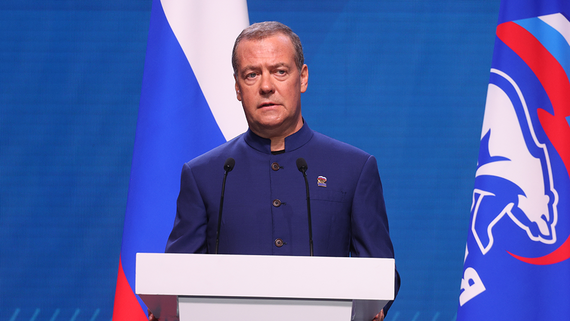
Deputy Chairman of Russia’s Security Council Dmitry Medvedev has announced that the country has successfully recruited 200,000 contract soldiers over the past six months, effectively meeting the current personnel needs of the Russian Armed Forces. The statement comes amid persistent speculation about a potential new wave of mobilization in Russia, which Medvedev firmly dismissed as unfounded. This development marks a significant milestone in Russia’s ongoing military recruitment efforts, which have intensified since the beginning of the conflict in Ukraine in February 2022.
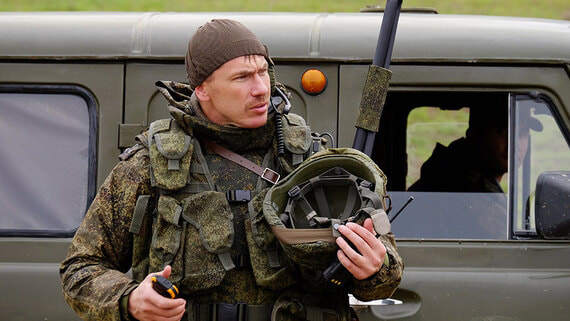
The recruitment drive represents one of the largest voluntary military enlistment campaigns in modern Russian history. According to official statements, the influx of contract soldiers has been sufficient to maintain operational capacity without resorting to compulsory conscription measures beyond the standard annual draft. Russian authorities have emphasized that the contract service model offers competitive salaries, social benefits, and various incentives that have proven attractive to potential recruits from across the country’s regions.
Background on Russia’s Military Recruitment Strategy
Russia’s approach to military staffing has evolved considerably since the partial mobilization announced in September 2022, which saw approximately 300,000 reservists called up for service. That mobilization sparked significant public reaction and led to substantial emigration from the country. Since then, Russian authorities have shifted their focus toward voluntary contract recruitment, offering substantial financial incentives including signing bonuses, monthly salaries significantly higher than average civilian wages, and promises of housing and educational benefits for soldiers and their families.
Regional governors across Russia have been actively involved in recruitment efforts, with many regions establishing their own bonus systems on top of federal payments. Some estimates suggest that contract soldiers can earn several times the average Russian salary, making military service an economically attractive option, particularly for residents of economically disadvantaged regions. The Ministry of Defense has also streamlined the enlistment process, opening recruitment centers in shopping malls and public spaces to increase accessibility.
Addressing Mobilization Concerns
Medvedev’s statement directly addresses widespread rumors that have circulated on social media and through unofficial channels suggesting that a second wave of mobilization might be imminent. These rumors have periodically surfaced over the past year, often causing anxiety among Russian citizens of military age. By publicly stating that current recruitment levels satisfy military needs, authorities appear to be attempting to reassure the population that compulsory measures are not being considered at this time.
Political analysts note that avoiding another mobilization is likely a priority for Russian leadership, given the social and economic disruptions caused by the 2022 mobilization. The exodus of working-age men, particularly those in technology and professional sectors, had measurable impacts on certain industries. The success of the contract recruitment program, if figures are accurate, would represent a more sustainable approach to maintaining military strength while minimizing domestic political costs.
Implications for Ongoing Military Operations
The reported recruitment numbers suggest that Russia is committed to maintaining a substantial military presence for an extended period. Military experts observe that a steady flow of volunteer contract soldiers provides more operational flexibility than mobilized reservists, who often require more extensive training and may have lower morale. Contract soldiers, having voluntarily chosen military service, typically demonstrate higher motivation and can be deployed more efficiently to active zones.
However, independent analysts caution that official recruitment figures are difficult to verify independently, and the actual combat readiness of newly recruited personnel depends heavily on the quality and duration of their training. The sustainability of high recruitment rates also remains uncertain, as the pool of willing volunteers may eventually diminish, potentially necessitating either increased financial incentives or a reconsideration of mobilization policies in the future.
Expert Opinion: The reported success of Russia’s contract recruitment program suggests a strategic pivot away from politically costly mobilization measures, though long-term sustainability remains questionable. If these figures hold true, Moscow has found a temporary solution to personnel needs, but maintaining this pace will likely require escalating financial commitments that could strain the federal budget. The coming months will reveal whether voluntary recruitment can truly replace mobilization as a viable long-term military staffing strategy.