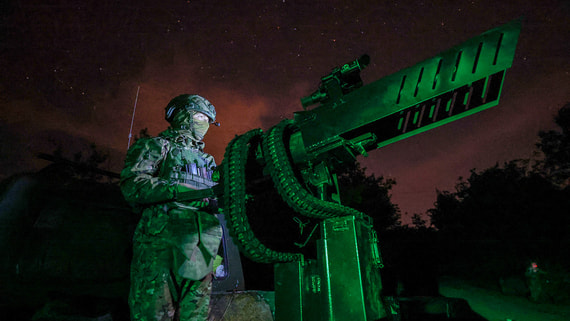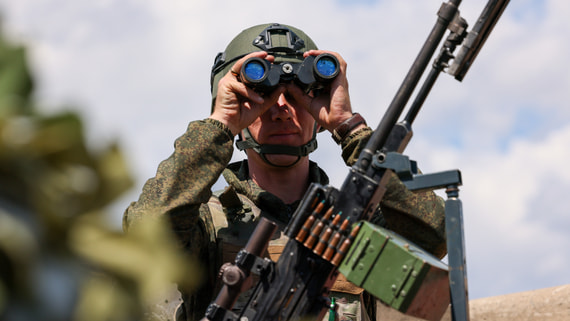

In one of the largest coordinated aerial assaults of the ongoing conflict, Ukrainian forces launched an extensive drone attack targeting multiple regions across Russia, prompting emergency responses from Russian air defense systems. According to Russian military officials, a total of 351 unmanned aerial vehicles were intercepted and destroyed during the overnight operation, which affected several areas deep within Russian territory. The attack resulted in significant civilian infrastructure damage and tragic loss of life, including the deaths of three children in the southern city of Krasnodar, marking one of the deadliest incidents involving minors since the escalation of cross-border strikes.
The scale of this operation represents a significant escalation in Ukraine’s strategy of striking targets within Russia, demonstrating the country’s growing capability to manufacture and deploy large numbers of domestically produced drones. Since the beginning of the full-scale invasion in February 2022, Ukraine has increasingly relied on long-range drone attacks to target Russian military installations, fuel depots, and logistical infrastructure, seeking to disrupt supply lines and bring the reality of war closer to Russian civilians.
Infrastructure Damage and Commercial Facilities Hit
Among the most significant targets struck during the attack were storage facilities belonging to Ozon, one of Russia’s largest e-commerce platforms often compared to Amazon in its market dominance. The damage to these warehouses represents a notable shift in the conflict’s impact on civilian commercial infrastructure, potentially affecting the daily lives of millions of Russian consumers who rely on the platform for essential goods delivery. While precise details about the extent of the damage remain unclear, reports indicate that multiple warehouse facilities sustained varying degrees of structural damage from drone strikes or falling debris from intercepted UAVs.
The targeting of commercial logistics infrastructure, whether intentional or collateral, highlights the increasingly complex nature of modern warfare where civilian and military supply chains often overlap. Ozon operates a vast network of fulfillment centers across Russia, employing tens of thousands of workers and serving as a critical component of the country’s domestic consumer economy. Any disruption to these operations could have ripple effects throughout regional supply chains, affecting everything from food distribution to medical supplies.
Tragic Civilian Casualties in Krasnodar
The most devastating consequence of the overnight attacks occurred in Krasnodar, a major city in southern Russia with a population exceeding one million residents. Three children lost their lives in the attack, according to regional officials, marking a tragic escalation in civilian casualties. The circumstances surrounding these deaths, whether from direct drone strikes, falling debris from intercepted UAVs, or secondary explosions, have not been fully disclosed by Russian authorities. Krasnodar, located approximately 150 kilometers from the Black Sea coast, has become increasingly vulnerable to Ukrainian strikes due to its proximity to military logistics routes supporting operations in occupied territories.
The city serves as a major transportation hub and administrative center for the Krasnodar Krai region, which has seen growing military activity since the conflict began. The deaths of children in such attacks invariably inflame public sentiment and often lead to calls for intensified military responses, potentially escalating the cycle of violence that has characterized this conflict. International humanitarian organizations have repeatedly called on both sides to take greater precautions to protect civilian lives, particularly children, who remain among the most vulnerable victims of modern warfare.
Growing Ukrainian Drone Capabilities and Strategic Implications
The ability to launch over 350 drones in a single coordinated attack demonstrates Ukraine’s rapidly expanding domestic defense production capabilities, which have been bolstered by Western technological assistance and significant investment in indigenous manufacturing. Ukrainian defense companies have developed increasingly sophisticated UAV systems capable of traveling hundreds of kilometers to reach targets deep within Russian territory. This strategic approach aims to stretch Russian air defense resources thin across a vast geographic area while demonstrating that no region remains beyond Ukraine’s reach.
Military analysts note that such large-scale drone swarm tactics present significant challenges for traditional air defense systems, which may struggle to intercept numerous small, low-flying targets simultaneously. The psychological impact of these attacks on Russian civilian populations also serves Ukraine’s strategic objectives by undermining public confidence in the government’s ability to protect the homeland. As the conflict enters its fourth year, both sides continue to adapt their tactics, with drone warfare emerging as one of the defining characteristics of this twenty-first-century conflict.
Expert Opinion: The unprecedented scale of this drone attack signals a new phase in Ukraine’s long-range strike capabilities, suggesting that future operations may involve even larger numbers of UAVs targeting critical infrastructure across wider geographic areas. This development will likely force Russia to divert additional air defense resources from frontline operations to protect rear-area civilian and military installations, potentially creating new vulnerabilities that Ukrainian forces could exploit on the battlefield.