In what appears to be one of the largest aerial attacks on the Russian capital since the beginning of the conflict in Ukraine, approximately 400 unmanned aerial vehicles were reportedly launched toward Moscow and the surrounding Moscow Region. The unprecedented scale of this drone assault has resulted in injuries and prompted emergency responses across multiple districts, marking a significant escalation in the ongoing confrontation between Russia and Ukraine.
Russian air defense systems were reportedly activated across the capital region as authorities worked to intercept the incoming drones. Preliminary reports indicate that casualties have been confirmed, though the exact number of injured individuals and the extent of property damage are still being assessed by emergency services. The attack targeted multiple locations across the sprawling metropolitan area, which is home to over 12 million residents.
Scale and Scope of the Attack
The sheer number of drones involved in this operation represents a dramatic escalation in the tactics being employed against Russian territory. With 400 unmanned aerial vehicles reportedly heading toward the capital, this attack dwarfs previous incidents that typically involved dozens of drones at most. Military analysts suggest that coordinating such a large-scale drone swarm requires sophisticated planning and significant logistical capabilities, indicating an evolution in offensive drone warfare strategies.
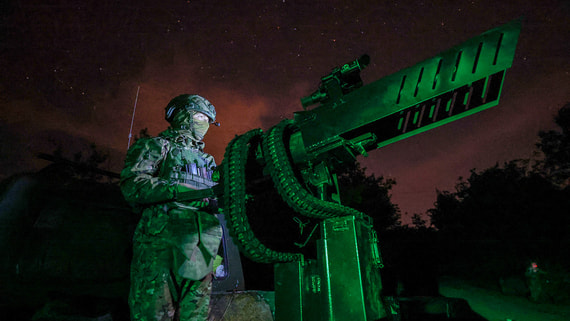
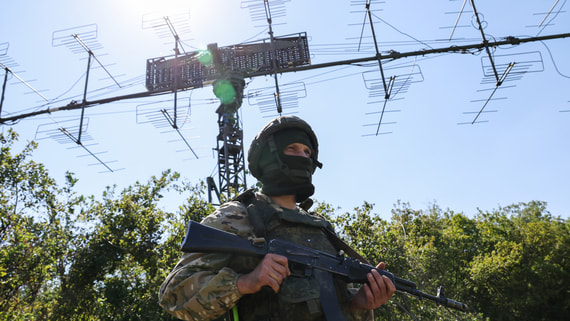
Moscow has experienced intermittent drone attacks over the past two years, but none have approached this magnitude. Previous incidents typically involved small groups of drones, often intercepted before reaching their intended targets. The Russian Ministry of Defense has been gradually enhancing the capital’s air defense network in response to these threats, deploying additional radar systems and electronic warfare equipment around key infrastructure sites.
Emergency Response and Civilian Impact
Emergency services across Moscow and the Moscow Region were placed on high alert as the attack unfolded. Ambulance crews, firefighters, and civil defense personnel were mobilized to respond to potential casualties and damage. Authorities have urged residents in affected areas to remain indoors and away from windows, following established protocols for such incidents. Several districts reported hearing explosions and witnessing bright flashes in the night sky as air defense systems engaged incoming targets.
The psychological impact on Moscow’s civilian population cannot be understated. For decades, the Russian capital has been largely insulated from direct military threats, and the increasing frequency of drone attacks has created a new reality for residents. Schools and public institutions in certain areas have implemented emergency protocols, while some businesses have begun reviewing their continuity plans in light of these evolving security challenges.
Historical Context and Military Implications
The use of drones in modern warfare has transformed battlefield dynamics significantly since their widespread adoption in the early 21st century. Initially employed primarily for reconnaissance, unmanned aerial vehicles have evolved into potent offensive weapons capable of striking targets hundreds of kilometers from their launch points. The conflict in Ukraine has become a testing ground for drone warfare technologies, with both sides developing and deploying increasingly sophisticated systems.
Russia has invested heavily in air defense systems designed to counter drone threats, including the Pantsir-S1 short-range systems and electronic warfare complexes capable of jamming drone communications. However, the challenge of defending against large swarms of relatively inexpensive drones remains significant, as it can potentially overwhelm traditional air defense networks designed to counter more conventional aerial threats. Military experts have long warned about this asymmetric vulnerability, where low-cost drones can force adversaries to expend expensive interceptor missiles.
International Response and Future Outlook
The international community is closely monitoring developments in the ongoing conflict, with this latest attack likely to draw renewed attention to the evolving nature of the warfare. Defense ministries across Europe and NATO member states have been studying the lessons of drone warfare emerging from this conflict, adjusting their own military doctrines and procurement priorities accordingly. The increasing reach and scale of drone operations raises questions about how future conflicts might unfold and what defensive measures will be necessary to protect civilian populations in major urban centers.
Expert Opinion: This attack represents a significant tactical evolution in drone warfare, demonstrating that large-scale coordinated swarm attacks on major metropolitan areas are now operationally feasible. Defense analysts anticipate that both offensive drone capabilities and counter-drone technologies will continue to advance rapidly, fundamentally reshaping urban defense strategies worldwide. The coming months will likely see increased investment in layered air defense systems specifically designed to address the unique challenges posed by mass drone attacks.