
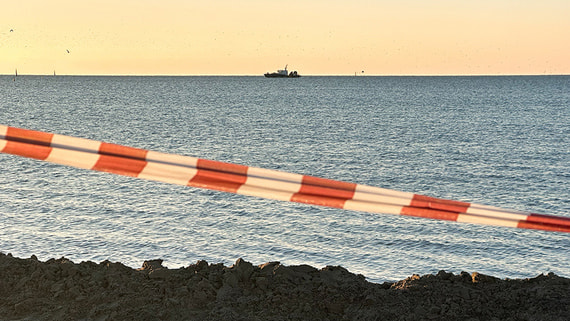
Maritime operations in the Black Sea and Sea of Azov have ground to a near standstill as escalating military strikes between Russia and Ukraine continue to threaten commercial shipping lanes. Turkey, which served as the guarantor of the historic grain deal between 2022 and 2023, has called upon both Kyiv and Moscow to take immediate measures to de-escalate tensions and protect civilian maritime traffic in the strategically vital waterways.
The disruption comes at a critical time for global food security, as the Black Sea region serves as one of the world’s most important corridors for grain exports. Ukraine and Russia together account for approximately 30 percent of global wheat exports, and any prolonged interruption to shipping could have far-reaching consequences for food prices worldwide, particularly affecting nations in Africa and the Middle East that depend heavily on these supplies.
Turkey’s Diplomatic Role and Regional Concerns
Turkey’s position as a mediator in the conflict has become increasingly complicated as military activities intensify near its maritime borders. Ankara successfully brokered the Black Sea Grain Initiative in July 2022, which allowed Ukrainian agricultural exports to resume despite the ongoing conflict. The agreement, which was extended several times before Russia withdrew in July 2023, demonstrated Turkey’s unique diplomatic leverage in the region. Now, Turkish officials are once again attempting to use their influence to prevent a complete breakdown of commercial navigation in waters that connect directly to the Turkish Straits.
The Bosphorus and Dardanelles straits, controlled by Turkey, represent the only maritime passage between the Black Sea and the Mediterranean. This geographic reality gives Ankara significant strategic importance and a vested interest in maintaining stability in the region. Turkish shipping companies and ports have also suffered economic losses due to the uncertainty, prompting government officials to intensify their diplomatic efforts.
Impact on Global Food Supply Chains
The paralysis of shipping routes has sent ripples through international commodity markets. Before the conflict, Ukraine exported approximately 5 million tons of grain per month through Black Sea ports. While alternative export routes through Poland, Romania, and other neighboring countries have partially compensated for the loss, these land-based corridors lack the capacity to handle the full volume of Ukrainian agricultural output. Industry analysts warn that prolonged disruption could push global wheat prices significantly higher, potentially triggering food insecurity in vulnerable nations.
The Sea of Azov, a smaller body of water connected to the Black Sea through the Kerch Strait, has been particularly affected by military operations. This waterway, bordered by both Russia and Ukraine, has seen some of the most intense naval activity since the conflict began. Commercial vessels have been forced to either anchor in place or seek alternative routes, causing significant delays and financial losses for shipping companies operating in the region.
Historical Context and Future Outlook
The current crisis reflects a long history of geopolitical competition in the Black Sea region. For centuries, control of these waters has been contested by various powers, from the Ottoman Empire to the Russian Empire and the Soviet Union. The collapse of the Soviet Union in 1991 transformed the Black Sea into a shared space among multiple independent nations, each with competing interests. Today’s conflict represents the most serious threat to maritime commerce in the region since World War II.
International maritime organizations have issued advisories warning commercial vessels about the heightened risks in the area. Insurance premiums for ships transiting the Black Sea have skyrocketed, with some underwriters refusing coverage altogether. As the international community watches anxiously, the coming weeks will likely determine whether diplomatic efforts can succeed in restoring some measure of normalcy to one of the world’s most important shipping corridors.
Expert Opinion: The paralysis of Black Sea shipping represents a critical inflection point that could reshape global agricultural trade patterns for years to come. If Turkey’s mediation efforts fail to produce results, we may see a permanent shift toward land-based export routes and increased investment in port infrastructure along the Danube River. The longer commercial shipping remains disrupted, the more likely importing nations will seek to diversify their supply chains away from the Black Sea region entirely.