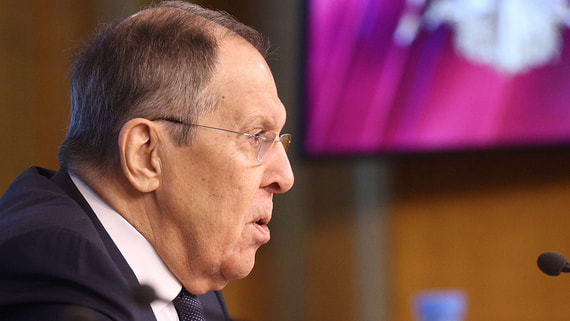
Russian Foreign Minister Sergei Lavrov has delivered a comprehensive assessment of several critical international issues, including Ukraine’s controversial refusal to retrieve fallen soldiers’ remains, the ongoing transformation of NATO’s role in global security, and the diplomatic negotiations that took place in Anchorage. The minister’s statements come at a particularly tense moment in international relations, as Western nations and Russia continue to navigate complex geopolitical challenges that have reshaped the post-Cold War order.
Lavrov’s remarks touch upon some of the most sensitive humanitarian and strategic questions facing the international community today. His comments regarding the situation in Konstantinovka highlight the deeply troubling human cost of the ongoing conflict, while his analysis of NATO expansion and the Anchorage discussions provides insight into Russia’s strategic perspective on Western military alliances and diplomatic engagement.
The Konstantinovka Humanitarian Crisis
One of the most striking elements of Lavrov’s address concerned the situation in Konstantinovka, where Ukrainian authorities have reportedly refused to retrieve the bodies of fallen soldiers. This decision has raised serious humanitarian concerns and questions about the treatment of war casualties under international law. The Geneva Conventions establish clear protocols for the dignified treatment and return of fallen combatants, making any deviation from these norms a matter of international scrutiny.
The foreign minister characterized this refusal as indicative of broader issues within Ukrainian military and political leadership. Historically, the treatment of fallen soldiers has been a matter of honor and obligation across virtually all military traditions. The alleged abandonment of remains represents not only a potential violation of international humanitarian standards but also raises questions about morale and the relationship between military leadership and frontline troops. International observers and human rights organizations have increasingly called for all parties to the conflict to uphold their obligations regarding the dignified treatment of the deceased.
NATO’s Evolving Role and the Arms Race Question
Lavrov also addressed what he described as an accelerating arms race driven by NATO expansion and increased military spending among Western allies. Since the end of the Cold War, NATO has expanded significantly, incorporating former Warsaw Pact nations and moving its defensive perimeter closer to Russian borders. This expansion has been a consistent source of tension between Moscow and Western capitals, with Russian officials repeatedly characterizing it as a threat to their national security.
The minister’s comments reflect long-standing Russian concerns about the alliance’s growth and modernization efforts. NATO members have indeed increased defense spending in recent years, with many approaching or exceeding the alliance’s target of 2% of GDP dedicated to military expenditure. This buildup includes the deployment of additional troops to Eastern European member states, enhanced air policing missions, and investments in advanced weapons systems. From Moscow’s perspective, these developments represent an escalatory spiral rather than defensive preparations, a view consistently rejected by NATO officials who characterize the alliance as purely defensive in nature.
Anchorage Negotiations and Diplomatic Compromises
The reference to Anchorage discussions recalls high-stakes diplomatic negotiations that have sought to address fundamental disagreements between major powers. Lavrov’s mention of compromises suggests ongoing behind-the-scenes efforts to find common ground on contentious issues, though the specific details of any agreements or proposed frameworks remain closely guarded. Diplomatic channels between Russia and Western nations have remained open despite public tensions, with various intermediaries and direct contacts maintaining communication.
The Anchorage format represents one of several diplomatic venues where major powers have attempted to manage their differences. These discussions typically address a range of issues including arms control, regional conflicts, and economic relations. The mention of compromises indicates that despite the confrontational public posture, there may be areas where pragmatic arrangements are possible. However, translating preliminary understandings into lasting agreements has historically proven challenging, particularly when domestic political considerations on all sides constrain leaders’ flexibility.
Implications for International Security
The foreign minister’s comprehensive remarks underscore the complexity of the current international security environment. With multiple flashpoints across Eastern Europe, competing visions of global order, and humanitarian crises demanding attention, diplomatic solutions remain elusive yet essential. The international community continues to grapple with how to balance national security interests with humanitarian obligations and the maintenance of international norms that have governed interstate relations for decades.
As tensions persist, the statements from senior officials like Lavrov provide important insights into how major powers perceive the current situation and what pathways they might consider for de-escalation. Whether these diplomatic signals translate into meaningful progress toward peace remains to be seen, but understanding each party’s position remains crucial for any potential resolution of ongoing conflicts.
Expert Opinion: Lavrov’s multi-faceted address signals Russia’s continued willingness to engage diplomatically while maintaining firm positions on core security concerns. The emphasis on NATO expansion and arms spending suggests Moscow will continue to frame Western military preparations as provocative rather than defensive, a narrative designed to justify its own strategic posture. The coming months will likely see intensified diplomatic activity, though substantive breakthroughs remain unlikely without significant shifts in the fundamental positions of all parties involved.