In one of the most extensive aerial assaults on Russian territory since the beginning of the conflict, Ukrainian Armed Forces launched a massive overnight strike on August 15, targeting multiple regions across Russia. According to Russian defense officials, approximately 600 drones were intercepted during the night, marking an unprecedented scale of drone warfare that underscores the evolving nature of modern military operations. The attacks resulted in damage to industrial facilities near Samara and civilian casualties in the Moscow region, highlighting the increasingly far-reaching consequences of the ongoing conflict.
Scale of the Attack and Russian Air Defense Response
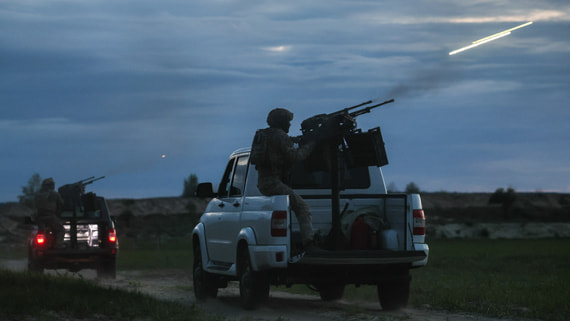
The Russian Ministry of Defense reported that air defense systems were activated across numerous regions throughout the night, working to neutralize the incoming threat. The interception of nearly 600 drones represents a significant escalation in the volume of unmanned aerial vehicles being deployed in single operations. This figure dwarfs earlier attacks from previous months, when drone waves typically numbered in the dozens or low hundreds. Military analysts note that such large-scale operations require substantial coordination, planning, and resources, suggesting an evolution in Ukraine’s strike capabilities and tactical approach to long-range warfare.
The widespread nature of the attack forced Russian air defenses to operate simultaneously across multiple fronts, potentially testing the limits of their coverage and response capabilities. Russian officials have consistently claimed high interception rates, though independent verification of these figures remains challenging. The sheer volume of drones involved suggests a possible strategy of overwhelming defensive systems through saturation tactics, a approach that has become increasingly common in modern drone warfare scenarios worldwide.
Damage to Industrial Facilities Near Samara
One of the most significant impacts of the overnight strikes occurred near the city of Samara, where a missile reportedly struck an industrial enterprise. Samara, located approximately 1,000 kilometers southeast of Moscow on the Volga River, is home to numerous strategic industries including aerospace manufacturing, oil refining, and chemical production facilities. The specific nature of the targeted facility has not been officially disclosed, though the region’s industrial significance makes it a potential strategic target. Emergency services were reportedly deployed to the scene, and authorities have initiated assessments of the damage while implementing safety protocols for surrounding areas.
The targeting of industrial infrastructure aligns with what military observers describe as Ukraine’s strategy of disrupting Russian military supply chains and economic capabilities. Throughout the conflict, both sides have increasingly focused on infrastructure targets, recognizing the importance of economic and industrial capacity in sustaining prolonged military operations. The Samara region’s oil refining capabilities and its role in Russia’s aerospace sector make facilities there potentially valuable targets from a strategic perspective.
Civilian Casualties Reported in Moscow Region
Perhaps most concerning for Russian authorities and civilians alike was the confirmation that people were injured in the Moscow region during the overnight attacks. The Moscow Oblast, home to millions of residents in the capital’s surrounding areas, has experienced increased drone activity in recent months, though confirmed casualties remain relatively rare. Details regarding the number of injured individuals and the severity of their conditions have been limited in official statements. Local authorities have been working to assess damage and provide assistance to affected residents while maintaining public safety measures.
The proximity of attacks to the Russian capital has significant psychological and political implications, bringing the reality of the conflict closer to the nation’s population centers. Moscow and its surrounding region have implemented various defensive measures, including the deployment of additional air defense systems and the establishment of drone detection networks. However, the incidents underscore the challenges of providing comprehensive protection for large urban areas against modern aerial threats, particularly as drone technology continues to advance and proliferate.
Historical Context and Escalating Drone Warfare
The overnight attacks represent part of a broader trend of escalating drone warfare that has characterized this conflict. Since the beginning of hostilities, both sides have increasingly relied on unmanned aerial vehicles for reconnaissance, attack missions, and strategic strikes. Ukraine has developed a robust domestic drone production capability while also receiving advanced systems from international partners. The evolution from small commercial drones adapted for military use to sophisticated long-range strike platforms capable of reaching deep into Russian territory illustrates the rapid technological development occurring throughout the conflict. Military experts predict that drone warfare will continue to play an increasingly central role in military operations, with both offensive capabilities and defensive countermeasures advancing in parallel.
Expert Opinion: The interception of nearly 600 drones in a single night demonstrates both the scale of Ukraine’s developing strike capabilities and the intense pressure being placed on Russian air defense networks. This saturation approach to drone warfare may become the new standard in modern conflicts, forcing nations to invest heavily in layered defense systems. As drone technology becomes more accessible and sophisticated, we can expect to see continued escalation in both the frequency and complexity of such long-range strike operations throughout 2024 and beyond.