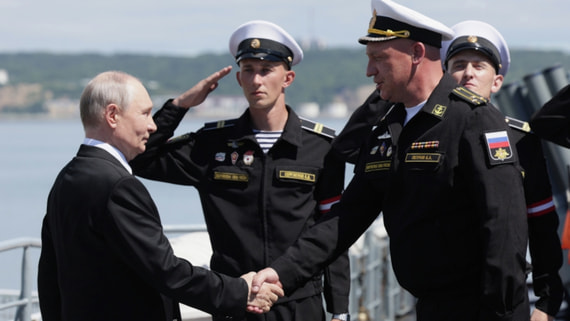
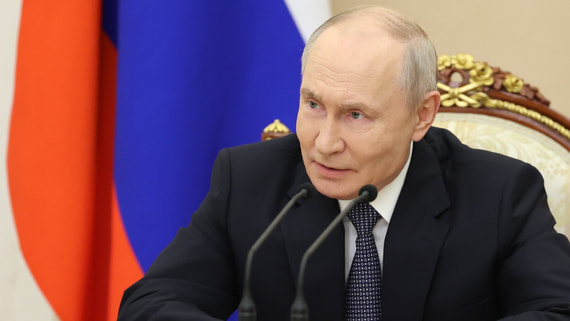
Russian President Vladimir Putin has announced a significant reshuffling of military leadership overseeing the special military operation in Ukraine and rear support structures. The changes include new appointments to command positions of various troop groupings and the establishment of leadership for the country’s unmanned aerial systems forces. These moves come as Russia continues to adapt its military strategy and organizational structure more than two years into the conflict, reflecting ongoing efforts to optimize command efficiency and address evolving battlefield requirements.
Major Command Changes Across Multiple Fronts
The presidential decrees announced changes to the commanders of several key military groupings operating in Ukraine. Such reshuffles have become a recurring feature of Russia’s approach to the conflict, with leadership positions changing hands multiple times since February 2022. Military analysts suggest these changes typically reflect either dissatisfaction with operational progress, the need for fresh strategic perspectives, or efforts to align command structures with shifting tactical priorities. The rotation of commanders has affected virtually every major front in the conflict zone, from the northern sectors near Kharkiv to the southern regions around Zaporizhzhia.
The restructuring of military leadership during active combat operations carries both advantages and risks. On one hand, it allows the Kremlin to place commanders with specific expertise in positions where their skills are most needed. On the other hand, frequent changes can disrupt established command relationships and institutional knowledge that develop over time. Historical precedents from major conflicts suggest that command stability often correlates with operational effectiveness, though this must be balanced against the need to remove underperforming leaders or adapt to changing circumstances.
New Focus on Unmanned Systems Command
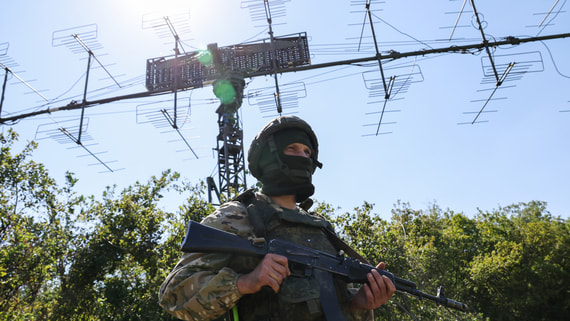
Perhaps the most significant aspect of the announcement was Putin’s designation of a commander for Russia’s unmanned aerial systems troops. This appointment reflects the increasingly central role that drones have come to play in modern warfare, a lesson that has been dramatically underscored by the conflict in Ukraine. Both Russian and Ukrainian forces have extensively employed various types of unmanned systems, from small reconnaissance quadcopters to larger strike drones capable of hitting targets deep behind enemy lines. The formalization of a dedicated command structure for these assets suggests Russia is treating drone warfare as a distinct military domain requiring specialized leadership and doctrine.
The evolution of drone warfare during the Ukraine conflict has attracted global attention from military planners and defense ministries worldwide. What began as a supplementary capability has transformed into an essential component of military operations, used for everything from artillery spotting and damage assessment to direct attacks on personnel and equipment. The cost-effectiveness of unmanned systems compared to traditional weapons platforms has proven particularly significant, allowing both sides to inflict substantial damage while preserving more expensive assets and human lives. Russia’s decision to establish formal command structures for these capabilities mirrors similar moves by other major militaries recognizing the paradigm shift in modern combat.
Rear Support and Logistics Restructuring
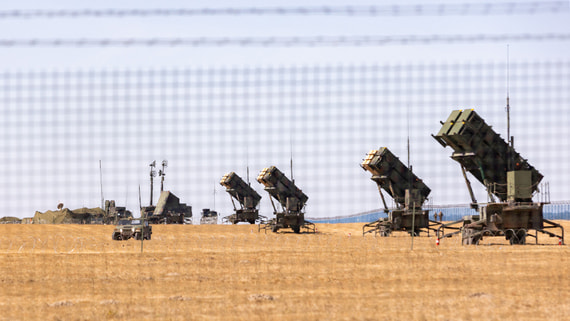
The changes to rear support command are equally significant, though often less discussed than frontline leadership changes. Logistics and supply chain management have proven critical throughout the conflict, with both sides experiencing challenges in maintaining adequate supplies of ammunition, equipment, and essential materials to their forces. The efficiency of rear support operations directly impacts the combat effectiveness of frontline units, making leadership in this area crucial to overall military performance. Russia has faced well-documented logistical challenges since the early days of the operation, and changes to rear command structures may indicate ongoing efforts to address these systemic issues.
Military historians note that logistics often determines the outcome of prolonged conflicts more decisively than tactical victories. The ability to sustain operations over extended periods requires robust supply networks, maintenance capabilities, and personnel management systems. As the conflict in Ukraine has settled into patterns of attritional warfare along extended front lines, the importance of effective rear support has only increased. The latest command changes suggest the Kremlin recognizes this reality and is taking steps to optimize its military’s support infrastructure for what may be a protracted engagement.
Expert Opinion: These command reshuffles indicate Russia’s ongoing adaptation to the realities of sustained high-intensity warfare, particularly the formalization of drone forces command which acknowledges the fundamental shift in modern combat paradigms. The frequency of leadership changes suggests both a willingness to experiment with command structures and possible underlying challenges in achieving strategic objectives, with the ultimate effectiveness of these reforms likely to become apparent in operational outcomes over the coming months.