
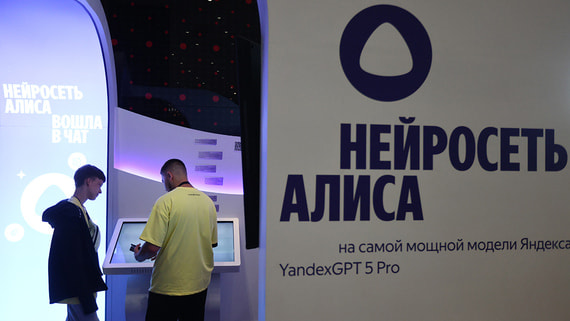
The Russian government is preparing to establish priority status for domestically developed artificial intelligence solutions in public procurement processes. This strategic initiative aims to create guaranteed demand for Russian AI developers, helping them recoup the substantial investments required to create and maintain sophisticated machine learning models. The move represents a significant shift in Russia’s approach to technological sovereignty and comes amid increasing global competition in the AI sector.
Creating a Protected Market for Russian Developers
The proposed policy would require government agencies and state-owned enterprises to give preference to AI solutions developed by Russian companies when making procurement decisions. This approach mirrors similar protectionist measures adopted in other strategic sectors of the Russian economy. Industry experts suggest that such guaranteed demand could provide the financial stability necessary for domestic AI companies to compete with well-funded international competitors. The development of advanced AI models requires significant capital investment, often running into hundreds of millions of dollars for training large language models and other sophisticated systems.
Russian technology companies have been developing their own AI solutions for several years, with major players like Yandex and Sberbank investing heavily in machine learning research and development. However, these domestic solutions often face stiff competition from international giants like OpenAI, Google, and Microsoft, which benefit from larger research budgets and access to global talent pools. The new procurement priorities would give Russian developers a captive market within the government sector, providing reliable revenue streams to fund ongoing development efforts.
Strategic Implications and Technology Sovereignty
The initiative aligns with Russia’s broader strategy of achieving technological sovereignty, particularly in critical sectors like artificial intelligence, cybersecurity, and digital infrastructure. Since 2022, Western sanctions have accelerated Russia’s efforts to develop domestic alternatives to foreign technology products and services. Government officials have emphasized the importance of reducing dependence on foreign software and hardware, citing both national security concerns and the practical challenges of maintaining access to international technology platforms.
The AI sector presents particular challenges for import substitution efforts. Training large-scale AI models requires access to advanced computing hardware, particularly high-end graphics processing units (GPUs), which remain largely unavailable due to export restrictions. Despite these obstacles, Russian developers have continued to advance their AI capabilities, often focusing on optimizing models to work with available hardware resources. The guaranteed government demand could help offset some of the additional costs associated with developing AI solutions under these constraints.
Implementation Challenges and Market Impact
While the policy promises significant benefits for domestic AI developers, implementation presents several challenges. Government agencies will need clear criteria for evaluating domestic AI solutions and comparing them to international alternatives. Questions remain about how strictly the preference requirements will be enforced and whether exceptions will be permitted for specialized applications where domestic solutions may not yet be competitive. Industry observers note that overly rigid requirements could potentially result in government agencies adopting less capable solutions, reducing operational efficiency.
The policy could also have significant implications for the broader Russian technology market. Smaller AI startups may find it easier to secure government contracts, potentially accelerating innovation in the domestic AI ecosystem. However, some analysts caution that protected markets can sometimes reduce competitive pressure, potentially slowing the pace of technological advancement in the long term. Finding the right balance between supporting domestic industry and maintaining high standards for government technology deployments will be crucial to the policy’s success.
Expert Opinion: This procurement priority policy represents a calculated bet on Russia’s ability to develop competitive AI capabilities despite resource constraints. While guaranteed government demand provides crucial financial stability for domestic developers, the real test will be whether these protected market conditions can produce AI solutions that eventually compete on quality, not just national origin. The next two to three years will be critical in determining whether this approach fosters genuine innovation or creates dependency on artificial market advantages.