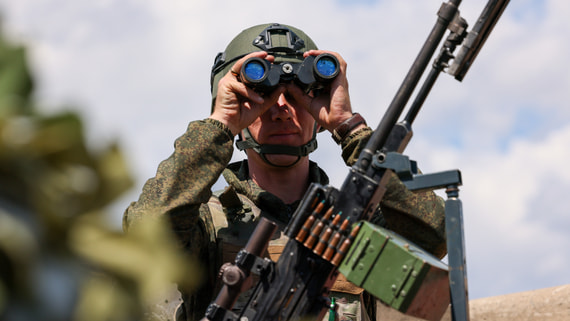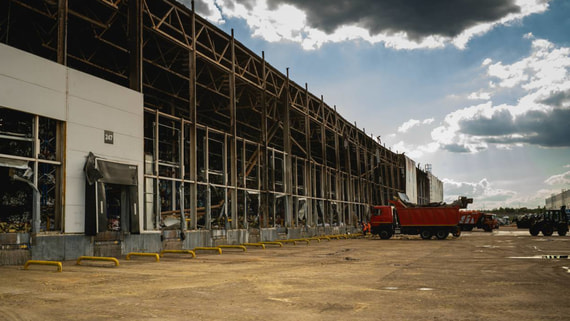
In one of the largest aerial assaults since the beginning of the conflict, Ukrainian Armed Forces launched a significant drone attack targeting the Voronezh region and several other Russian territories overnight. Russian air defense systems reportedly intercepted nearly 400 unmanned aerial vehicles across multiple regions, according to official statements from Moscow. The attack resulted in fires at Wildberries warehouses, one of Russia’s largest online retailers, marking a notable escalation in the ongoing conflict that has increasingly brought the war to Russian soil.
The scale of this operation represents a significant evolution in Ukraine’s military strategy, which has shifted from primarily defensive operations to more aggressive strikes deep within Russian territory. This approach aims to disrupt supply chains, military logistics, and economic infrastructure far from the front lines. The targeting of civilian commercial facilities like the Wildberries warehouses demonstrates the expanding scope of these operations beyond purely military objectives.
Scope of the Attack and Regional Impact
The overnight assault affected multiple Russian regions simultaneously, with Voronezh Oblast bearing the brunt of the attack. Air raid alerts were activated across several western and southern Russian regions as defense systems worked to intercept the incoming drones. The Voronezh region, located approximately 500 kilometers from the Ukrainian border, has become an increasingly frequent target due to its strategic importance as a logistics hub for Russian military operations.
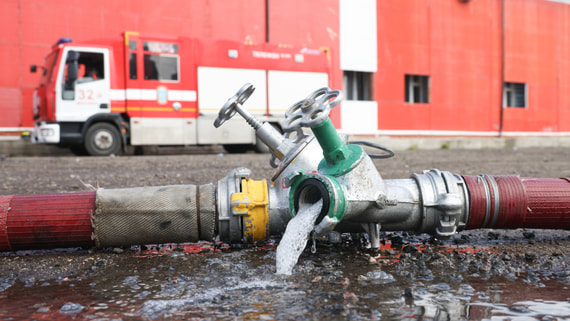
The fires at the Wildberries distribution centers caused significant disruption to one of Russia’s most prominent e-commerce platforms, which serves millions of customers across the country. Emergency services were deployed to contain the blazes, with firefighting operations continuing into the early morning hours. Local authorities implemented evacuation protocols for nearby residential areas as a precautionary measure, while officials assessed the full extent of the damage.
Evolution of Ukrainian Long-Range Strike Capabilities
Ukraine’s drone warfare capabilities have evolved dramatically over the past two years, transitioning from reliance on imported systems to a robust domestic production infrastructure. Ukrainian manufacturers now produce thousands of drones monthly, ranging from small reconnaissance units to long-range strike platforms capable of reaching targets deep within Russian territory. This indigenous production capacity has allowed Ukraine to sustain a campaign of strategic strikes despite limitations on Western-supplied long-range missiles.
The drones employed in these operations typically include modified commercial platforms and purpose-built military systems, often equipped with explosive payloads ranging from a few kilograms to several dozen. These attacks have targeted oil refineries, military airfields, ammunition depots, and industrial facilities across Russia, creating economic pressure and forcing Moscow to divert air defense resources away from the front lines. Military analysts note that even when intercepted, the sheer volume of drones strains Russian defense capabilities and depletes expensive missile stockpiles.
Strategic Implications and International Response
The intensification of strikes on Russian territory has sparked debate among Western allies regarding the appropriate boundaries for military support. While some NATO members have cautiously endorsed Ukraine’s right to strike legitimate military targets within Russia, others express concern about potential escalation. The United States has maintained restrictions on the use of American-supplied weapons for deep strikes into Russia, though domestically produced Ukrainian systems face no such limitations.
Russian officials have condemned the attacks as terrorism and threatened severe retaliation, though Moscow’s response options remain constrained by its ongoing military commitments in Ukraine. The Kremlin has emphasized investments in enhanced air defense systems and electronic warfare capabilities to counter the drone threat. Meanwhile, Russian citizens in border regions and major cities have grown accustomed to frequent air raid warnings, representing a psychological shift in a conflict that was initially presented as a limited military operation far from Russian population centers.
Looking Ahead: The Future of Drone Warfare
Military experts suggest that drone warfare will continue to play an increasingly central role in modern conflicts, with the Ukraine war serving as a testing ground for tactics and technologies that will shape future military doctrine worldwide. The relative affordability of drone systems compared to traditional aircraft and missiles makes them an attractive option for nations seeking asymmetric advantages against larger adversaries. As both sides continue to adapt their strategies, the coming months will likely see further innovation in both offensive drone capabilities and defensive countermeasures.
Expert Opinion: The unprecedented scale of this drone operation signals Ukraine’s determination to make Russian territory increasingly untenable as a safe rear area for military logistics. As domestic production continues to expand, we can expect these attacks to grow in frequency and sophistication, potentially targeting critical infrastructure further from the border. Russia faces a strategic dilemma: either accept ongoing economic and psychological costs or divert significant military resources from offensive operations to homeland defense.