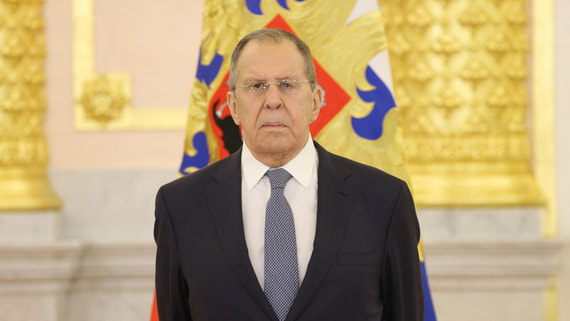
Russian Foreign Minister Sergei Lavrov has delivered a series of significant statements addressing the ongoing conflict in Ukraine, potential peace negotiations, and Moscow’s strategic expectations from Washington. In a comprehensive briefing that touched on multiple sensitive diplomatic issues, Lavrov outlined Russia’s position on why a simple freeze of the conflict remains unacceptable to Moscow and detailed what concessions or actions Russia expects from the United States before any meaningful dialogue can proceed. These remarks come at a critical juncture when international pressure for a negotiated settlement continues to mount while fighting on the ground shows no signs of abating.
The veteran diplomat, who has served as Russia’s top foreign policy official since 2004, emphasized that Russia would not accept any ceasefire arrangement that fails to address what Moscow considers the root causes of the conflict. Lavrov stressed that a temporary freeze of hostilities without addressing underlying security concerns would merely postpone inevitable future confrontation rather than establish lasting peace. This position reflects Russia’s long-standing demand that any settlement must include guarantees regarding Ukraine’s neutral status and limitations on NATO’s eastern expansion, issues that Moscow has cited as primary motivations for its military operation launched in February 2022.
Russia’s Rejection of Conflict Freeze Explained
Lavrov elaborated on why Moscow views a simple conflict freeze as fundamentally inadequate. According to the Foreign Minister, such an arrangement would allow Western nations to continue arming and training Ukrainian forces, essentially using the pause to prepare for renewed hostilities under more favorable conditions. This concern echoes Russian accusations that the Minsk agreements of 2014 and 2015 were exploited by Ukraine and its Western backers to buy time for military preparation rather than pursue genuine reconciliation. Former German Chancellor Angela Merkel’s 2022 comments, interpreted by Moscow as confirmation of this view, have reinforced Russian skepticism toward any interim arrangements.
The minister outlined that Russia requires comprehensive security guarantees and formal recognition of territorial changes before considering any cessation of hostilities. This hardline stance demonstrates the significant gap between Russian demands and positions held by Ukraine and its Western allies, who have repeatedly stated that territorial concessions cannot be the basis for negotiations. International observers note that this fundamental disagreement represents perhaps the most substantial obstacle to initiating meaningful peace talks.
Black Sea Operations and Strategic Calculations
Addressing military operations in the Black Sea region, Lavrov referenced Russia’s ongoing activities and strikes in the strategically vital waterway. The Black Sea has emerged as a critical theater in the conflict, with both sides contesting control over shipping lanes and coastal territories. Ukraine has achieved notable successes in forcing Russia’s Black Sea Fleet to relocate from Sevastopol, while Russia has targeted Ukrainian port infrastructure and grain export facilities. Lavrov’s comments on Black Sea operations suggest continued Russian commitment to maintaining pressure in this arena despite setbacks.
The strategic importance of Black Sea control extends beyond immediate military considerations. The waterway serves as a crucial corridor for Ukrainian grain exports, which have global food security implications. The collapse of the Black Sea Grain Initiative in July 2023 highlighted how military operations in this region can have far-reaching economic and humanitarian consequences affecting nations far removed from the conflict zone.
Expectations from Washington and Future Diplomatic Paths
Perhaps most significantly, Lavrov outlined Russia’s expectations from the United States, signaling that Moscow views Washington as the key to any potential resolution. The Foreign Minister suggested that Russia is waiting for concrete signals from American leadership before committing to any negotiation framework. This framing positions the United States as the primary decision-maker on the Western side, a characterization that downplays European agency and Ukrainian sovereignty in determining the conflict’s outcome. Such rhetoric serves Russia’s narrative that the conflict is fundamentally a proxy confrontation between Moscow and Washington rather than a war of Russian aggression against Ukraine.
The tough measures referenced by Lavrov likely include both military escalation options and potential diplomatic countermeasures should negotiations fail to materialize on acceptable terms. Russia has previously threatened various escalatory steps, including nuclear posturing and expanded targeting of Western supply lines. Analysts suggest that Lavrov’s statements may be intended to create negotiating leverage ahead of potential diplomatic initiatives, particularly as the United States approaches a politically significant period with upcoming elections influencing foreign policy calculations.
Expert Opinion: Lavrov’s statements represent a carefully calibrated diplomatic position designed to maintain pressure while leaving doors open for future negotiations. The emphasis on comprehensive security guarantees rather than territorial discussions suggests Russia may be seeking to shift the negotiating framework away from immediate battlefield realities toward broader European security architecture questions where Moscow believes it holds stronger cards. As both sides face mounting costs from prolonged conflict, the coming months may see increased diplomatic probing despite the publicly hardline positions.