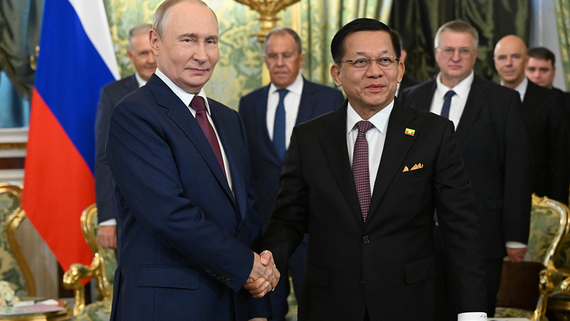
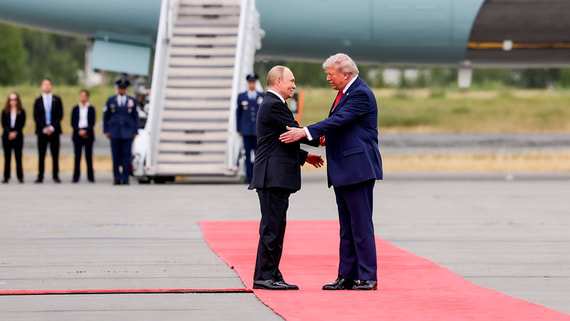
The question of whether Russian President Vladimir Putin and U.S. President Donald Trump will hold a direct summit has become one of the most closely watched diplomatic puzzles of the current geopolitical moment. As tensions between Washington and Moscow continue to simmer over the ongoing conflict in Ukraine, trade disputes, and strategic rivalries, the prospect of a face-to-face meeting between the two leaders carries enormous symbolic and practical weight. Both sides have signaled interest in dialogue, yet the path to an actual summit remains fraught with obstacles, competing priorities, and the complex choreography of great power diplomacy.
The relationship between the United States and Russia has been characterized by periods of engagement and confrontation throughout modern history. During the Cold War, superpower summits were rare but momentous occasions that could reshape global politics overnight. The Reagan-Gorbachev meetings of the 1980s helped end the Cold War, while more recent encounters between American and Russian leaders have produced mixed results. Trump and Putin previously met in Helsinki in 2018, a summit that generated significant controversy in the United States due to Trump’s public statements appearing to favor Russian narratives over American intelligence assessments. That historical baggage adds complexity to any potential new meeting.
The Ukraine Factor Looms Large
Any potential summit between Putin and Trump cannot escape the shadow of the Ukraine conflict, which has fundamentally altered the European security architecture and U.S.-Russia relations since Russia’s full-scale invasion in February 2022. The Biden administration maintained a policy of strong support for Ukraine while avoiding direct engagement with Putin, but the Trump administration has signaled a different approach. Trump has repeatedly claimed he could end the war quickly, though specifics of how this would be achieved remain unclear. For Putin, any meeting would need to advance Russian strategic objectives without appearing to make concessions under pressure, a delicate balancing act given the war’s grinding nature and mounting costs.
Diplomatic experts suggest that the timing and format of any summit would be carefully calibrated by both sides. Preliminary discussions through back channels and lower-level diplomatic contacts typically precede any leader-level meeting to ensure productive outcomes. Neither Moscow nor Washington would want a summit that produces no tangible results or, worse, publicly exposes irreconcilable differences. The stakes are simply too high for either leader to risk a failed summit that could damage their domestic political standing or international credibility.
Domestic Politics and International Pressure
Both leaders face significant domestic political considerations that influence the summit calculus. Trump must navigate a complex American political landscape where attitudes toward Russia remain deeply divided along partisan lines. Many Republicans have become more skeptical of continued Ukraine support, while Democrats and some traditional foreign policy hawks view any rapprochement with Putin with suspicion. Putin, meanwhile, faces his own domestic audience, where projecting strength and achieving tangible diplomatic victories matters for maintaining political legitimacy. Any summit would need to be framed as a win for both sides, a challenging proposition given the fundamental conflicts of interest.
International allies and partners also watch these developments closely. European NATO members, particularly those on the alliance’s eastern flank, worry about any U.S.-Russia arrangement that might compromise their security interests or be negotiated without their input. Ukraine itself has expressed concerns about being sidelined in any great power negotiations about its future. These dynamics mean that any Putin-Trump summit would have ripple effects far beyond the bilateral relationship, affecting alliance cohesion and regional stability across multiple theaters.
The Road Ahead
As the international community watches for signals from both capitals, the question of when—not whether—a summit might occur remains open. Historical precedent suggests that even adversarial relationships benefit from direct leader communication, and both Putin and Trump have shown they prefer personal diplomacy to institutional processes. The coming months will likely see continued speculation, back-channel contacts, and possibly intermediate steps such as foreign minister meetings or special envoy exchanges. Whether these preliminary moves lead to a full summit will depend on shifting battlefield realities in Ukraine, domestic political developments in both countries, and the unpredictable chemistry of great power politics in an increasingly multipolar world.
Expert Opinion: The prospects for a Putin-Trump summit remain realistic but uncertain, with timing likely dependent on whether preliminary diplomatic contacts can identify areas of potential agreement on Ukraine. Both leaders have strong personal incentives to claim a diplomatic breakthrough, but the substantive gaps between their positions—particularly regarding territorial arrangements and security guarantees—present formidable obstacles. Any meeting before late 2025 would likely require significant behind-the-scenes groundwork that has not yet been publicly evident.