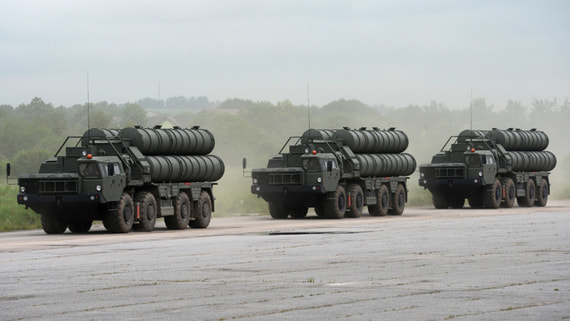
In a complex geopolitical maneuver that highlights the intricate balance of power in the Middle East, Turkey is reportedly engaged in negotiations with Russia and several Gulf states regarding the potential transfer of its controversial S-400 air defense systems. The discussions represent Ankara’s latest attempt to resolve a long-standing dispute with Washington that has blocked Turkey’s access to American F-35 stealth fighter jets. However, the proposed deal faces significant opposition from Israel, which has expressed concerns about advanced Russian military technology ending up in the hands of Gulf nations.
The S-400 Triumf, NATO designation SA-21 Growler, represents one of Russia’s most sophisticated air defense platforms, capable of detecting and engaging aircraft, cruise missiles, and ballistic missiles at ranges up to 400 kilometers. Turkey’s decision to purchase the system in 2017, despite being a NATO member, triggered one of the most serious rifts in the alliance’s recent history. The United States immediately suspended Turkey from the F-35 program, arguing that operating Russian military equipment alongside NATO systems posed unacceptable security risks.
Turkey’s Strategic Calculus and the F-35 Dilemma
Turkey had invested nearly $1.4 billion in the F-35 program and was slated to receive over 100 of the advanced stealth fighters before its expulsion. Turkish defense companies were also integral to the jet’s global supply chain, manufacturing components that have since been sourced elsewhere. The loss of the F-35 represented not just a military setback but also an industrial and economic blow to Turkey’s ambitious defense sector ambitions. President Recep Tayyip Erdoğan has repeatedly expressed his desire to restore Turkey’s participation in the program, viewing the fifth-generation fighters as essential for modernizing the country’s aging air force.
The proposed solution — transferring the S-400 systems to Gulf states — would theoretically remove the primary obstacle to Turkey’s return to the F-35 consortium. Reports suggest that Saudi Arabia and the United Arab Emirates have shown interest in acquiring the Russian systems, viewing them as a way to diversify their defense capabilities beyond traditional Western suppliers. Both nations have historically relied heavily on American military equipment but have increasingly sought to expand their options in the global arms market.
Israeli Opposition and Regional Security Concerns
Israel’s opposition to the potential deal stems from broader strategic concerns about the proliferation of advanced anti-aircraft systems in the Middle East. The Israeli Air Force has long maintained regional air superiority, conducting operations across the region when deemed necessary for national security. The introduction of S-400 systems to Gulf nations, even ostensibly friendly ones, would complicate Israel’s operational planning and potentially limit its freedom of action. Tel Aviv has significant influence in Washington on defense matters, and Israeli objections could effectively block any arrangement that requires American approval or acquiescence.
The situation is further complicated by Russia’s own interests in the matter. Moscow has invested considerable diplomatic capital in its defense relationship with Turkey, which represents one of the few NATO countries willing to purchase major Russian weapons systems. The S-400 sale was seen as a significant achievement for Russian defense exports and a demonstration of cracks within the Western alliance. Russia may be reluctant to see the systems transferred to Gulf states, potentially undermining the political value of the original deal and raising questions about end-user agreements.
Historical Context and Future Implications
The ongoing negotiations reflect broader trends in Middle Eastern geopolitics, where traditional alliances are becoming increasingly fluid. Turkey’s relationship with the United States has been strained by numerous issues beyond the S-400, including disagreements over Syria policy, human rights concerns, and Ankara’s independent foreign policy trajectory. Meanwhile, Gulf states have shown growing willingness to engage with Russia and China on defense matters, seeking to reduce their dependence on American weapons systems while gaining leverage in their relationships with Washington.
Defense analysts note that any resolution will require delicate diplomatic balancing. The United States must weigh its desire to bring Turkey back into the F-35 fold against Israeli security concerns and the precedent of allowing advanced Russian systems to proliferate in the region. For Turkey, the question is whether transferring the S-400s would genuinely resolve its differences with Washington or simply create new complications. The outcome of these negotiations could reshape defense relationships across the Middle East for years to come.
Expert Opinion: The proposed S-400 transfer represents a pivotal moment in NATO cohesion and Middle Eastern security architecture. If successful, this arrangement could establish a new template for resolving defense procurement disputes, but the involvement of multiple regional powers with competing interests makes a clean resolution unlikely. Observers should watch for potential compromise solutions, such as placing the systems under joint operational control or implementing technical modifications to address Israeli concerns.