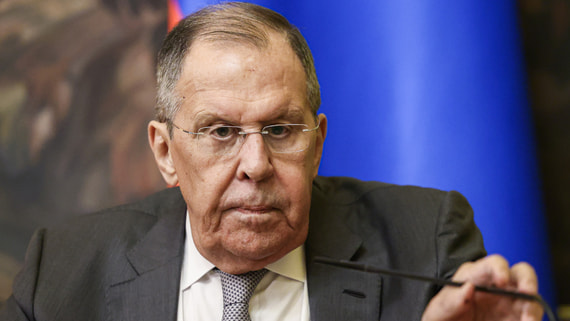
Russian Foreign Minister Sergei Lavrov has made several significant diplomatic announcements following high-level talks with Chad’s leadership, addressing critical international issues ranging from United Nations reform to regional security concerns. The meetings resulted in concrete agreements between Moscow and N’Djamena, while Lavrov also used the platform to articulate Russia’s positions on pressing global matters including grain export agreements and potential military actions against Iran.
Key Points from Lavrov's Chad Visit
- Russia and Chad agreed to visa-free travel for diplomatic passport holders, deepening bilateral ties as Moscow expands its African partnerships.
- Both nations pledged enhanced counterterrorism cooperation in the Sahel, where extremist groups linked to ISIS and Al-Qaeda remain active across multiple countries.
- Russia expressed conditional support for UN Security Council reform, backing African representation while preserving its own permanent seat and veto power.
- Lavrov addressed grain export agreements after Russia’s 2023 withdrawal from the Black Sea Initiative, a critical issue for food-importing African nations.
- The Foreign Minister commented on Iran strike speculation amid deepening Russia-Iran military cooperation since the Ukraine conflict began.
The diplomatic engagement between Russia and Chad has yielded tangible results, with both nations agreeing to implement a visa-free regime for holders of diplomatic passports. This arrangement represents a significant step forward in bilateral relations and reflects Russia’s broader strategy of deepening ties with African nations. The agreement streamlines official travel between the two countries and signals growing political trust between Moscow and the Central African nation.
Anti-Terrorism Cooperation Takes Center Stage
A central focus of the Russia-Chad discussions was the enhancement of cooperation in combating terrorism, a critical concern for the Sahel region where Chad plays a pivotal security role. The Sahel has experienced a dramatic increase in terrorist activity over the past decade, with groups affiliated with ISIS and Al-Qaeda expanding their operations across Mali, Burkina Faso, Niger, and Chad. Russia has positioned itself as an alternative security partner for African nations, particularly as some countries in the region have distanced themselves from traditional Western allies, notably France.
Chad, which maintains one of the most capable military forces in the region, has been battling extremist groups along multiple fronts. The country serves as the headquarters for the G5 Sahel joint force and has deployed troops to support neighboring nations facing insurgencies. Russian involvement in African security matters has grown substantially in recent years, with Moscow providing military equipment, training, and advisory services to numerous governments across the continent.
Planning the Next Russia-Africa Summit
| Topic | Key Development |
|---|---|
| Visa Arrangement | Visa-free regime for diplomatic passport holders |
| Security Cooperation | Enhanced counterterrorism partnership in Sahel region |
| Summit Preparation | Joint planning for upcoming Russia-Africa Summit |
| UN Reform | Discussed Security Council expansion with African representation |
Both delegations discussed preparations for the upcoming Russia-Africa Summit, which has become a cornerstone of Moscow’s diplomatic engagement with the continent. The first summit, held in Sochi in 2019, brought together leaders from across Africa and established frameworks for economic, political, and security cooperation. The subsequent summit in St. Petersburg in 2023 reaffirmed these commitments despite the challenging international environment created by the conflict in Ukraine and Western sanctions on Russia.
The summit format allows Russia to engage with African nations collectively while also facilitating bilateral discussions on the sidelines. For African countries, these gatherings provide opportunities to diversify international partnerships and negotiate favorable terms for trade, investment, and development assistance. Russia has emphasized its historical support for African independence movements during the Soviet era as a foundation for contemporary relations, positioning itself as a partner that respects sovereignty and non-interference principles.
Russia's Position on Security Council Expansion
During his remarks, Lavrov addressed the contentious issue of reforming the United Nations Security Council, a debate that has intensified in recent years as emerging powers seek greater representation in global governance structures. The current permanent membership of the Security Council—the United States, United Kingdom, France, Russia, and China—reflects the post-World War II international order, which many nations argue is increasingly outdated. African countries have been particularly vocal in demanding permanent representation, given that the continent accounts for over a quarter of UN member states yet has no permanent seat with veto power.
Russia has expressed conditional support for expanding the Security Council while maintaining its own privileged position as a permanent member with veto authority. The reform discussions involve complex negotiations about the number of new seats, whether new members would receive veto power, and regional representation formulas. Any changes to the Security Council’s composition require amendments to the UN Charter, which itself demands approval by two-thirds of the General Assembly and ratification by all five current permanent members.
Grain Export Disputes and Iran Tensions
Lavrov also commented on grain export agreements, a topic of global significance given Russia’s role as a major wheat producer and the impact of Black Sea grain shipments on global food security. The original Black Sea Grain Initiative, brokered by the UN and Turkey in 2022, allowed Ukrainian grain exports to continue despite the ongoing conflict. Russia withdrew from the agreement in 2023, citing unfulfilled promises regarding its own agricultural exports. Discussions about alternative arrangements or revival of the deal continue to attract international attention, particularly from food-importing nations in Africa and the Middle East.
Additionally, the Foreign Minister addressed speculation about potential strikes on Iran, reflecting ongoing tensions in the Middle East and concerns about Iran’s nuclear program. The relationship between Russia and Iran has deepened significantly since the beginning of the Ukraine conflict, with military and economic cooperation expanding between the two nations. Any military action against Iran would have profound implications for regional stability, global energy markets, and Russia’s strategic interests in the Middle East.
What This Signals for Russia's Africa Push
Lavrov’s Chad visit illustrates Moscow’s systematic approach to building African alliances at a time when Western influence in the Sahel is receding. France has withdrawn troops from Mali, Burkina Faso, and Niger following military coups, creating openings Russia has actively filled with security partnerships and military advisory services. The visa agreement may seem minor, but it reflects the practical infrastructure Russia is building for sustained engagement.
The UN Security Council reform discussion serves dual purposes for Moscow. Supporting African permanent membership costs Russia nothing concrete while generating goodwill across a continent representing 54 General Assembly votes. Any actual reform requires unanimous approval from current permanent members, giving Russia effective veto power over changes it dislikes while appearing supportive of African aspirations.
The grain situation remains a pressure point. African nations dependent on food imports have direct stakes in Black Sea export arrangements, and Russia’s withdrawal from the 2023 initiative created real consequences for these countries. By addressing grain issues during African visits, Lavrov frames Russia as concerned about food security while deflecting blame for supply disruptions onto Western sanctions and unfulfilled commitments.
Questions About Russia's Africa Diplomacy
Why is Russia expanding partnerships with African countries?
Russia seeks diplomatic support in international forums, alternative markets amid Western sanctions, and security influence on a continent where traditional Western partners—particularly France—have lost ground. Africa’s 54 UN votes also matter for General Assembly resolutions where Russia faces isolation.
What happened to the Black Sea grain deal?
Russia withdrew from the UN and Turkey-brokered Black Sea Grain Initiative in July 2023, claiming promises regarding its own agricultural exports went unfulfilled. The deal had allowed Ukrainian grain shipments to continue despite the conflict, and its collapse raised global food security concerns.
Does Russia support adding African countries to the UN Security Council?
Russia has expressed conditional support for Security Council expansion including African representation, though any changes require approval from all five current permanent members. This effectively gives Russia veto power over reforms while allowing it to voice support for African demands.
Expert Opinion: Russia’s intensified diplomatic engagement with African nations represents a calculated effort to build a coalition of support in international forums while expanding economic and security influence on a continent that has become a key arena of great power competition. The combination of practical agreements on counterterrorism and visa facilitation with broader discussions on UN reform demonstrates Moscow’s multi-layered approach to African partnerships. As Western nations recalibrate their Africa strategies, Russia’s momentum on the continent is likely to continue, though the sustainability of these relationships will ultimately depend on Moscow’s ability to deliver tangible benefits amid its own resource constraints.