A series of coordinated drone attacks targeted several regions across Russia overnight, resulting in at least one fatality in Crimea and significant infrastructure damage that left the city of Sevastopol without electricity. The attacks represent a continuation of the escalating aerial warfare that has characterized the ongoing conflict between Russia and Ukraine, with both sides increasingly relying on unmanned aerial vehicles to strike deep into enemy territory. Russian authorities reported that air defense systems were activated across multiple regions as dozens of drones approached from various directions during the nighttime hours.
Casualties and Damage in Crimea
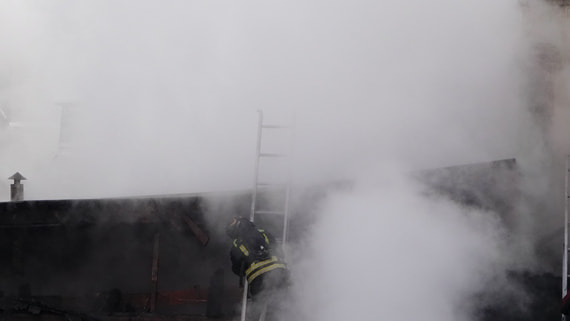
The Crimean Peninsula bore the brunt of the overnight assault, with regional authorities confirming that one person was killed as a result of the drone attacks. The annexed territory, which Russia seized from Ukraine in 2014, has become an increasingly frequent target of Ukrainian strikes due to its strategic military significance and its role as a logistics hub for Russian forces operating in southern Ukraine. Emergency services responded to multiple incidents across the peninsula throughout the night, with rescue operations continuing into the early morning hours. Local officials reported that residential areas sustained damage, though the full extent of destruction is still being assessed by authorities on the ground.
Sevastopol, the largest city on the Crimean Peninsula and home to Russia’s Black Sea Fleet headquarters, experienced widespread power outages following the attack. The city’s critical infrastructure was apparently struck, causing electrical systems to fail across large portions of the urban area. Governor Mikhail Razvozhaev acknowledged the power disruption in his official communications, stating that repair crews were working to restore electricity to affected neighborhoods. Sevastopol has been targeted repeatedly since the conflict began, given its immense strategic importance as a naval base and military command center. The city’s population of approximately 500,000 residents has grown accustomed to frequent air raid alerts and defensive operations.
Historical Context of Drone Warfare in the Conflict
The use of unmanned aerial vehicles has transformed the nature of modern warfare, and the Russia-Ukraine conflict has become a proving ground for drone technology on both sides. Ukraine has developed increasingly sophisticated domestic drone production capabilities, supplementing foreign-supplied systems with locally manufactured aircraft capable of striking targets hundreds of kilometers from the front lines. These long-range strike drones have successfully targeted military installations, fuel depots, and industrial facilities deep within Russian territory, demonstrating a reach that was previously impossible for Ukrainian forces. Military analysts note that drone attacks serve both tactical and psychological purposes, disrupting enemy operations while demonstrating vulnerability to civilian populations far from active combat zones.
Russia has similarly employed drones extensively, particularly Iranian-designed Shahed loitering munitions, which have been used to target Ukrainian infrastructure throughout the conflict. The escalating drone war has prompted both nations to invest heavily in air defense systems and electronic warfare capabilities designed to detect, track, and neutralize incoming unmanned threats. However, the sheer volume of attacks and the relatively low cost of drone production compared to traditional missiles means that defensive systems are often overwhelmed, allowing some aircraft to penetrate protected airspace. This asymmetric approach to warfare has leveled the playing field somewhat, enabling Ukraine to strike high-value targets despite having far fewer resources than its adversary.
Regional Impact and Official Responses
Beyond Crimea, several other Russian regions reported drone activity overnight, with air defense systems reportedly engaging targets in multiple locations. Regional governors across southern and western Russia have become increasingly vocal about the need for enhanced protective measures as attacks grow more frequent and sophisticated. The Russian Ministry of Defense typically releases statements claiming that the majority of incoming drones are intercepted, though independent verification of these claims remains difficult. Critics argue that the continued success of Ukrainian strikes suggests that air defense capabilities may be stretched thin across the vast territory that requires protection.
The international community continues to monitor the escalating situation with concern, as attacks on civilian infrastructure raise humanitarian questions about the conduct of the conflict. Power outages during winter months pose particular dangers to vulnerable populations, including the elderly, hospital patients, and those dependent on electrically powered medical equipment. Both Russia and Ukraine have accused each other of deliberately targeting civilian infrastructure, with each side characterizing its own strikes as legitimate military operations against enemy assets. As the conflict enters its third year, the drone war shows no signs of abating, with both sides continuing to develop new capabilities and tactics in this evolving battlefield domain.
Expert Opinion: The increasing frequency and sophistication of drone attacks on Crimean infrastructure signals Ukraine’s strategic commitment to degrading Russia’s logistical capabilities in the occupied peninsula. Military analysts anticipate that these strikes will intensify as Ukraine seeks to isolate Crimea before any potential ground operations, making power infrastructure, transportation links, and military installations priority targets throughout 2025.