As winter approaches and Russia continues its relentless aerial campaign against Ukrainian infrastructure, President Volodymyr Zelensky has intensified his appeals to the United States for additional Patriot missile systems and interceptors. The Ukrainian leader has specifically requested that Washington allocate approximately 5% of its strategic Patriot missile reserves to help Kyiv defend against the ongoing barrage of Russian cruise missiles, ballistic missiles, and Iranian-made Shahed drones. This request, while seemingly modest in percentage terms, carries significant political and military implications for both nations and raises critical questions about whether such an allocation would genuinely provide meaningful protection through the harsh winter months.
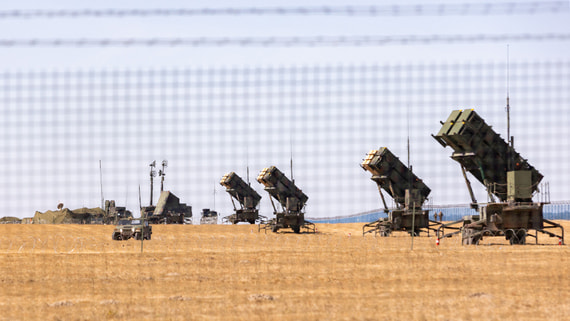
The Patriot air defense system, developed by Raytheon and first deployed by the United States in the 1980s, remains one of the most sophisticated surface-to-air missile platforms in the world. Originally designed during the Cold War to counter Soviet aircraft and tactical ballistic missiles, the system has undergone numerous upgrades over the decades. The latest variants, particularly the PAC-3 MSE (Missile Segment Enhancement), can engage targets at ranges exceeding 100 kilometers and at altitudes up to 40 kilometers. Each Patriot battery typically includes a phased-array radar, engagement control station, and multiple launcher stations capable of firing various interceptor types depending on the threat profile.
The Political Dimensions of Zelensky’s Request
Zelensky’s demand for American Patriot missiles is driven as much by political considerations as military necessity. By framing the request as a mere 5% of US reserves, Ukrainian leadership is attempting to minimize perceived impact on American military readiness while maximizing political pressure on the Biden administration. This approach reflects a sophisticated understanding of Washington’s internal debates about the extent of military support for Ukraine. Critics within the United States have raised concerns about depleting domestic stockpiles, particularly given ongoing tensions with China over Taiwan and the persistent threat from North Korea. By requesting what appears to be a marginal portion of American reserves, Zelensky seeks to neutralize these arguments while still obtaining meaningful defensive capabilities.
The timing of this request coincides with a particularly vulnerable period for Ukraine. Previous winters have seen Russia deliberately target the country’s energy infrastructure, leaving millions without heat and electricity during sub-zero temperatures. In the winter of 2022-2023, Russian strikes destroyed approximately 40% of Ukraine’s energy infrastructure, forcing rolling blackouts and creating a humanitarian crisis. Ukrainian officials have warned that this winter could be even more devastating without adequate air defense coverage. The country currently operates a patchwork of air defense systems provided by various NATO allies, including German IRIS-T, French-Italian SAMP/T, and American-made Patriots, but coverage remains insufficient to protect all critical infrastructure.
Military Calculations and Operational Realities
Military analysts remain divided on whether 5% of American Patriot reserves would meaningfully alter Ukraine’s defensive posture. According to publicly available estimates, the United States maintains several thousand Patriot interceptors across its global deployments and domestic stockpiles. Five percent of this total would likely translate to several hundred missiles—a significant number, but one that must be weighed against Russia’s demonstrated ability to sustain high-intensity missile campaigns. During peak offensive periods, Russia has launched over 100 missiles and drones in single attacks, suggesting that even a substantial resupply could be exhausted within weeks of intensive combat operations.
Furthermore, the effectiveness of Patriot systems depends heavily on proper integration into Ukraine’s broader air defense architecture. Simply delivering missiles without additional radar systems, trained personnel, and logistical support infrastructure limits their utility. Ukraine has been training operators on Patriot systems since early 2023, but the complexity of the platform means that optimal performance requires months or years of experience. The country has reportedly achieved notable successes with its existing Patriot batteries, including the possible destruction of Russian hypersonic Kinzhal missiles, but maintaining this performance requires consistent ammunition supply and technical support from American contractors and military advisors.
Strategic Implications for NATO and Global Security
The debate over Patriot missile transfers extends beyond bilateral US-Ukraine relations to encompass broader NATO strategy and global defense postures. Several European allies, including Germany, the Netherlands, and Romania, have already transferred Patriot systems or components to Ukraine, straining their own defensive capabilities. Any significant American contribution would likely encourage additional European transfers while simultaneously raising questions about collective alliance readiness. Pentagon officials have repeatedly emphasized that US military aid to Ukraine must not compromise America’s ability to respond to contingencies in the Indo-Pacific region or the Middle East, where Patriot systems form a critical component of allied defense arrangements.
As negotiations continue, the ultimate decision will likely reflect a complex calculus involving military assessments, political considerations, and diplomatic pressures. Whether 5% of American reserves proves sufficient for Ukraine’s winter defense depends not only on the quantity of missiles transferred but also on Russian tactical decisions, Ukrainian operational efficiency, and the broader trajectory of the conflict. What remains clear is that air defense has emerged as perhaps the single most critical capability determining Ukraine’s ability to sustain civilian morale and economic functionality through another winter of war.
Expert Opinion: The 5% request represents a carefully calibrated political strategy rather than a precise military requirement. Given current Russian strike patterns and Ukraine’s infrastructure vulnerability, even substantial Patriot transfers would provide only temporary relief without addressing the fundamental imbalance between Russian offensive capacity and Ukrainian defensive resources. The coming months will likely see continued negotiations aimed at establishing sustainable long-term air defense arrangements rather than one-time emergency transfers.