
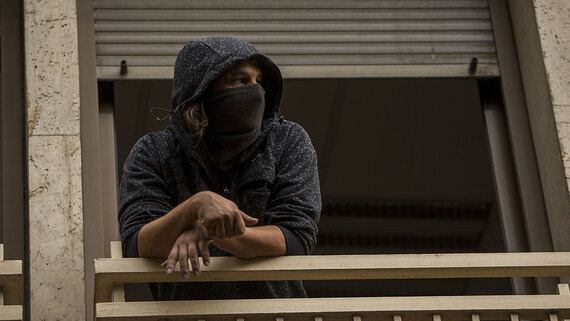
Spain is grappling with an increasingly contentious issue that has left property owners frustrated and lawmakers scrambling for solutions: the phenomenon of “okupas” — squatters who exploit legal loopholes to illegally occupy private residences and, in some cases, transform them into profitable criminal enterprises. What began as a social movement decades ago has evolved into a complex problem that intersects housing rights, property law, and organized crime, creating a nightmare scenario for thousands of Spanish homeowners who find themselves unable to reclaim their own properties.
The term “okupa” derives from the Spanish verb “ocupar” (to occupy) and originally described activists who took over abandoned buildings as a form of protest against housing inequality and real estate speculation. However, the movement has undergone a troubling transformation in recent years. While some squatters remain genuinely homeless individuals seeking shelter, a growing number of cases involve organized groups that systematically identify vulnerable properties, break in while owners are away, and establish legal residency that can take months or even years to challenge in court.
The Legal Labyrinth That Protects Squatters
The crux of the problem lies in Spain’s complex legal framework, which was designed to protect vulnerable tenants from sudden eviction but has inadvertently created protections for illegal occupiers. Under current Spanish law, if a squatter can demonstrate they have been residing in a property for more than 48 hours, the case transitions from a criminal matter to a civil dispute. This critical distinction means that police officers who arrive at a scene often cannot forcibly remove the occupants, instead directing homeowners to pursue lengthy civil proceedings that can drag on for two to three years.
The Spanish Constitution enshrines the right to “inviolability of the home,” a protection that courts have controversially extended to include illegally occupied properties. Once squatters establish even minimal evidence of residency — such as utility connections, mail delivery, or simply changing the locks — they gain significant legal protections. Property owners must navigate a bureaucratic maze of court filings, hearings, and appeals while continuing to pay mortgages and property taxes on homes they cannot access or use.
The Business of Breaking and Entering
Perhaps most alarming is the emergence of what authorities describe as “mafias de ocupación” — organized networks that have turned squatting into a lucrative criminal enterprise. These groups operate with remarkable sophistication, employing scouts who identify suitable properties by monitoring travel patterns, collecting mail, and observing utility usage. Once a vulnerable property is identified, professional teams can gain entry, change locks, and establish residency within hours. Some organizations then “rent” these occupied properties to unsuspecting tenants or other squatters, collecting monthly payments for homes they have no legal right to occupy.
The financial impact on property owners can be devastating. Beyond the obvious loss of their home or rental income, owners frequently face thousands of euros in property damage, legal fees, and the emotional toll of prolonged uncertainty. Insurance policies typically exclude coverage for squatter-related damages, leaving owners to bear the full financial burden. Reports indicate that some desperate homeowners have resorted to paying squatters thousands of euros simply to leave — payments that critics argue only incentivize further illegal occupation.
Government Response and Reform Efforts
The Spanish government has faced mounting pressure to address the crisis, with property rights advocates, real estate associations, and affected homeowners demanding legislative reform. In 2022, Spain introduced measures aimed at expediting evictions of vulnerable properties, particularly second homes and vacation rentals. However, critics argue these reforms remain insufficient, as they still require judicial proceedings and contain exemptions for squatters who claim economic hardship or family vulnerability.
Regional governments have implemented varying approaches, with some autonomous communities adopting stricter enforcement measures while others maintain more protective stances toward occupiers. The ideological divide is stark: progressive parties often emphasize the underlying housing crisis and social inequality that drive some to desperation, while conservative groups demand swift property rights protection and criminal penalties for illegal occupation. Finding a balanced solution that addresses legitimate housing needs while protecting property rights remains one of Spain’s most challenging policy dilemmas.
Expert Opinion: The okupa phenomenon reflects a fundamental tension in Spanish society between constitutional housing rights and property protections that will require comprehensive legislative reform to resolve. Experts predict that without significant legal changes streamlining eviction procedures while simultaneously expanding affordable housing programs, the problem will continue to escalate, potentially deterring foreign investment in Spanish real estate and further straining an already burdened judicial system.