
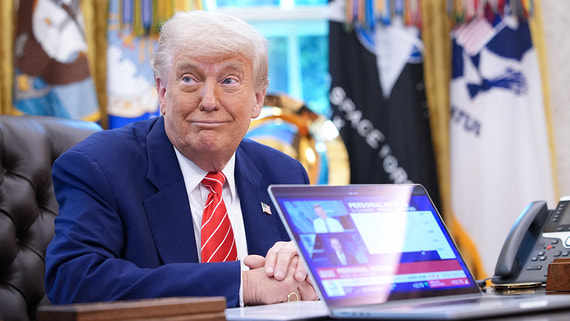
The Trump administration has signaled its intention to implement comprehensive evaluations of artificial intelligence models developed by major technology companies. This move represents a significant shift in the federal government’s approach to AI oversight and has sparked considerable debate among industry experts, policymakers, and technology leaders about the future direction of AI regulation in the United States. The proposed audit framework would establish new protocols for assessing the safety, reliability, and potential risks associated with advanced AI systems before they are deployed to the public.
The Push for Federal AI Oversight
The White House strategy appears to be driven by growing concerns about the rapid advancement of AI capabilities and the potential risks they pose to national security, economic stability, and public safety. Over the past two years, AI models have demonstrated remarkable abilities in generating text, images, and code, raising questions about their potential misuse in spreading disinformation, conducting cyberattacks, or displacing workers across multiple industries. Administration officials have emphasized that proactive evaluation of these systems is essential to maintaining American technological leadership while protecting citizens from potential harms.
Experts analyzing the proposed strategy have offered mixed assessments. Some technology policy analysts argue that federal oversight could provide much-needed guardrails for an industry that has largely self-regulated until now. They point to incidents involving AI-generated deepfakes, automated scam operations, and algorithmic bias as evidence that voluntary safety measures by tech companies have proven insufficient. However, critics contend that heavy-handed regulation could stifle innovation and push AI development overseas, potentially ceding American competitive advantages to China and other nations investing heavily in artificial intelligence research.
Historical Context and Global Competition
The current push for AI auditing comes against a backdrop of intensifying global competition in advanced technologies. China has invested billions of dollars in AI research and development, with explicit government support for achieving dominance in this strategic sector by 2030. The European Union has already implemented the AI Act, one of the world’s most comprehensive regulatory frameworks for artificial intelligence, which categorizes AI systems by risk level and imposes strict requirements on high-risk applications. The Trump administration’s approach appears to seek a middle ground between European-style comprehensive regulation and the largely hands-off approach that has characterized American tech policy in recent decades.
The history of technology regulation in the United States offers instructive lessons for the current AI debate. Previous attempts to regulate emerging technologies, from radio broadcasting in the 1920s to internet commerce in the 1990s, have demonstrated both the potential benefits of thoughtful oversight and the risks of regulatory overreach. Industry groups have called for any AI evaluation framework to be developed in close consultation with technology companies, academic researchers, and civil society organizations to ensure that regulations are technically feasible and do not inadvertently harm beneficial AI applications in healthcare, scientific research, and other critical fields.
Industry Response and Future Implications
Major technology companies including OpenAI, Google, Microsoft, and Meta have responded cautiously to the administration’s announced intentions. While publicly expressing support for responsible AI development, these companies have also invested heavily in lobbying efforts to shape any potential regulatory framework. Some industry leaders have advocated for a standards-based approach that would establish clear benchmarks for AI safety without requiring direct government involvement in model evaluation. Others have suggested that third-party auditing organizations, similar to financial auditing firms, could provide independent assessments of AI systems without creating new government bureaucracies.
Looking ahead, the success of the White House AI audit initiative will likely depend on several key factors: the technical expertise available to government evaluators, the willingness of companies to cooperate with assessment processes, and the ability to develop evaluation criteria that keep pace with rapidly evolving AI capabilities. As artificial intelligence continues to transform industries from healthcare to transportation to finance, the stakes of getting AI governance right have never been higher. The coming months will reveal whether the administration can translate its stated intentions into a workable regulatory framework that balances innovation with safety.
Expert Opinion: The Trump administration’s AI audit initiative represents a pivotal moment in American technology policy that could define the trajectory of AI development for decades. While the emphasis on safety evaluation is warranted given AI’s transformative potential, success will hinge on whether regulators can attract sufficient technical talent and avoid creating compliance burdens that benefit established players at the expense of innovative startups. The most likely outcome is a hybrid approach combining industry self-certification with selective government oversight of the highest-risk AI applications.