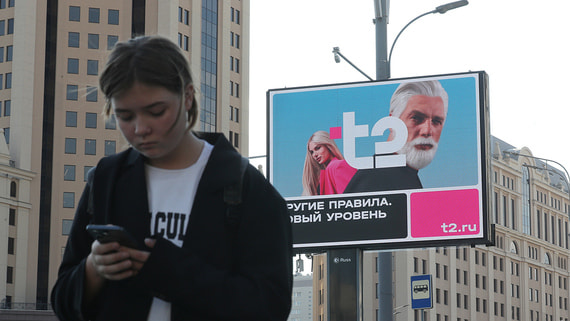

The Russian mobile virtual network operator (MVNO) market has achieved a significant milestone, reaching a total value of 111 billion rubles. This rapidly growing sector now operates approximately 40 million SIM cards across the country, demonstrating the increasing popularity of alternative telecommunications services among both individual consumers and businesses. Of these 40 million active SIM cards, 26.3 million are utilized by individual users, while the remaining cards serve various corporate and machine-to-machine (M2M) applications, including IoT devices, fleet management systems, and automated payment terminals.
The growth of MVNOs in Russia reflects a broader global trend toward more flexible and cost-effective mobile communication solutions. Virtual operators do not own their own network infrastructure but instead lease capacity from established mobile network operators such as MTS, Beeline, MegaFon, and Tele2. This business model allows MVNOs to offer competitive pricing and specialized services tailored to specific market segments without the enormous capital investments required to build and maintain physical network infrastructure.
Understanding the MVNO Business Model
Mobile Virtual Network Operators represent an innovative approach to telecommunications that has transformed markets worldwide since the concept first emerged in the late 1990s. These operators negotiate wholesale agreements with traditional mobile network operators (MNOs) to access their radio spectrum and network infrastructure. By eliminating the need for massive infrastructure investments, MVNOs can focus their resources on customer service, marketing, and developing niche products that appeal to underserved market segments.
In Russia, the MVNO sector has seen particularly strong growth over the past decade. Major players in the market include Yota, which operates on MegaFon’s network, as well as various retail and banking MVNOs that bundle mobile services with their primary business offerings. Companies like Sberbank, Tinkoff, and major retail chains have launched their own virtual operator services, leveraging their existing customer bases and brand recognition to compete effectively against traditional carriers.
Market Segmentation and Consumer Trends
The distribution of SIM cards between individual users and M2M applications reveals important insights about the Russian telecommunications market. With 26.3 million cards in the hands of individual consumers, MVNOs have captured a substantial portion of the personal mobile communications market. These users are often attracted by lower prices, absence of long-term contracts, transparent billing practices, and specialized offerings such as unlimited data plans or international calling packages.
The remaining approximately 13.7 million SIM cards dedicated to non-consumer applications highlight the growing importance of machine-to-machine communications and Internet of Things deployments across Russian industries. From smart utility meters and vehicle tracking systems to industrial sensors and point-of-sale terminals, M2M connectivity has become essential infrastructure for modern business operations. MVNOs have proven particularly competitive in this segment by offering flexible, scalable solutions that large enterprises and small businesses alike find attractive.
Future Growth Prospects and Industry Outlook
Industry analysts expect the Russian MVNO market to continue its expansion trajectory in the coming years. Several factors support this optimistic outlook, including ongoing digitalization initiatives across the Russian economy, increasing smartphone penetration, and growing consumer awareness of alternative mobile service options. The rise of 5G networks is also expected to create new opportunities for virtual operators, particularly in the enterprise and IoT segments where high-speed, low-latency connectivity enables innovative applications.
However, the market also faces challenges, including regulatory considerations, pricing pressure from traditional operators, and the need to differentiate services in an increasingly competitive environment. Successful MVNOs will likely be those that can offer unique value propositions, whether through superior customer service, innovative pricing models, or seamless integration with other products and services. As the telecommunications landscape continues to evolve, virtual operators are positioned to play an increasingly important role in Russia’s digital economy, driving competition and innovation that ultimately benefits consumers and businesses across the country.
Expert Opinion: The Russian MVNO market’s growth to 111 billion rubles signals a maturing telecommunications ecosystem where consumers increasingly prioritize flexibility and value over brand loyalty to traditional carriers. The significant M2M segment, representing over a third of active SIM cards, suggests that the next phase of growth will be driven by industrial IoT adoption and smart city initiatives rather than purely consumer expansion. Companies that successfully bridge the gap between consumer mobile services and enterprise connectivity solutions will likely emerge as market leaders in the coming decade.