
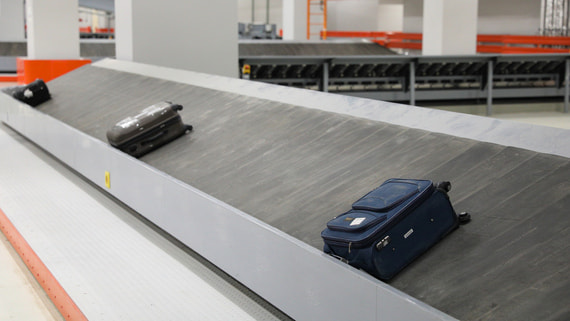
The aviation industry is preparing for a significant technological transformation as airports around the world begin exploring the use of unmanned aerial vehicles for luggage transportation. This innovative approach promises to dramatically increase labor productivity and accelerate baggage processing times, potentially reshaping how millions of travelers experience their journeys through busy airport terminals.
The concept of drone-assisted baggage handling represents a major shift from traditional conveyor belt systems and manual labor that have dominated airport operations for decades. Industry experts suggest that implementing autonomous flying vehicles for luggage transport could reduce processing times by up to 40 percent while simultaneously decreasing operational costs and minimizing the risk of lost or mishandled baggage.
The Technology Behind Airborne Baggage Transport
The drones being developed for airport baggage operations are specifically designed for indoor navigation and heavy payload capacity. Unlike consumer drones, these industrial-grade unmanned vehicles utilize advanced sensor arrays, including LiDAR technology and computer vision systems, to navigate complex airport environments safely. They can carry loads weighing up to 30 kilograms, sufficient for most standard luggage pieces, and operate on rechargeable battery systems that allow for continuous operation through quick-swap mechanisms at charging stations.
Several major technology companies and aviation specialists have been working on prototypes that can seamlessly integrate with existing airport infrastructure. These systems employ sophisticated artificial intelligence algorithms to optimize flight paths, avoid obstacles, and coordinate with other drones operating in the same airspace. The technology also includes fail-safe mechanisms that ensure safe landing procedures in case of any technical malfunction, addressing crucial safety concerns in crowded airport environments.
Historical Context and Industry Evolution
Airport baggage handling has evolved significantly since the early days of commercial aviation. In the 1930s and 1940s, luggage was manually loaded and unloaded from aircraft, a labor-intensive process that often caused significant delays. The introduction of conveyor belt systems in the 1960s marked the first major automation milestone, dramatically improving efficiency and handling capacity. However, even modern baggage handling systems face challenges, with the International Air Transport Association reporting that approximately 25 million bags are mishandled globally each year, costing the industry billions of dollars.
The push toward drone technology comes as airports worldwide struggle with increasing passenger volumes and labor shortages. Prior to the global pandemic, airports were handling record numbers of travelers, with projections suggesting that global air traffic could double by 2040. This growth has placed unprecedented pressure on existing infrastructure, making technological innovation not just desirable but essential for maintaining operational efficiency.
Implementation Challenges and Safety Considerations
Despite the promising potential, implementing drone-based baggage handling systems presents numerous challenges that must be addressed. Regulatory frameworks for indoor drone operations in public spaces remain underdeveloped in most countries, requiring close collaboration between airport authorities, aviation regulators, and technology providers. Additionally, concerns about noise levels, battery safety, and potential interference with aircraft communication systems must be thoroughly evaluated and mitigated.
Labor unions have also expressed concerns about potential job displacement, though proponents argue that the technology will create new positions in drone maintenance, system monitoring, and technical support while eliminating only the most physically demanding and repetitive tasks. Many industry analysts predict a hybrid model will emerge, combining human workers with autonomous systems to achieve optimal results. The initial implementation costs are substantial, with estimates suggesting that a comprehensive drone baggage system for a major airport could require investments exceeding 50 million dollars, though long-term operational savings are expected to offset these expenses within five to seven years.
Expert Opinion: Aviation technology analysts predict that drone-based baggage handling systems will become standard equipment at major international airports within the next decade, fundamentally changing the passenger experience. The key success factor will be achieving seamless integration with existing airport management systems while maintaining strict safety standards. Early adopters who successfully implement these systems will gain significant competitive advantages in attracting airlines and passengers seeking faster, more reliable service.