
A series of overnight Ukrainian drone strikes targeted multiple regions across Russia, causing significant damage to civilian infrastructure and resulting in at least two fatalities. The attacks, which occurred during the early hours of the morning, struck locations across several Russian oblasts, with the most severe consequences reported in the Tambov and Lipetsk regions. These strikes represent a continuation of Ukraine’s expanding long-range strike campaign, which has increasingly targeted logistics hubs, military installations, and industrial facilities deep within Russian territory over the past year.
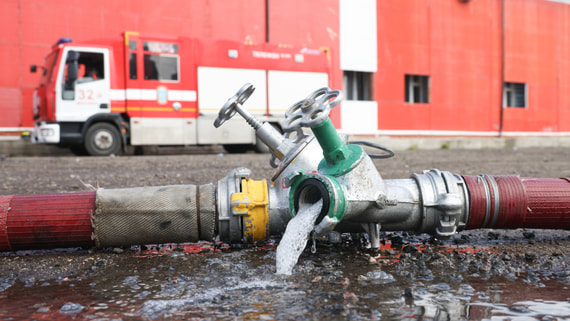
In the city of Kotovsk, located in Russia’s Tambov region approximately 450 kilometers southeast of Moscow, a large-scale fire erupted at a Wildberries warehouse following a drone strike. Wildberries, Russia’s largest online retailer often compared to Amazon, operates massive distribution centers throughout the country. Emergency services were dispatched to contain the blaze, though initial reports indicated significant damage to the facility and its contents. The attack on commercial infrastructure highlights the evolving nature of the conflict, where logistics and supply chain disruptions have become strategic targets alongside traditional military objectives.
Casualties Reported in Lipetsk Region Attack
The most tragic consequences of the overnight attacks were reported near Lipetsk, where two people were killed as a result of drone strikes. The Lipetsk region, located approximately 400 kilometers south of Moscow, has been targeted multiple times in recent months due to its industrial significance and the presence of military airfields. Local authorities confirmed the fatalities but provided limited details about the circumstances of the deaths or whether additional casualties were sustained. The region is home to several key military installations, including an air base that has reportedly been used for operations related to the conflict in Ukraine.
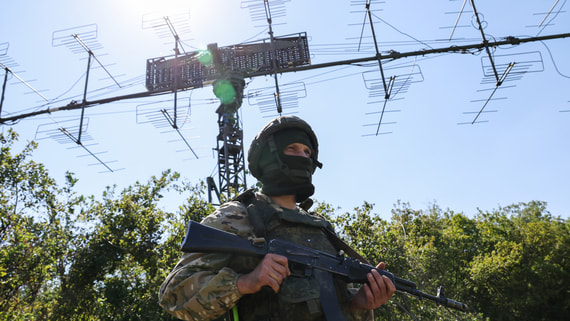
Russian air defense systems reportedly attempted to intercept multiple incoming drones across various regions throughout the night. According to statements from regional governors, debris from intercepted drones caused additional damage in several locations. The Russian Ministry of Defense has not yet released comprehensive figures on the total number of drones involved in the overnight attacks or how many were successfully neutralized. Independent analysts have noted that Ukraine has significantly increased both the frequency and geographic scope of its drone operations in recent months, utilizing domestically produced long-range unmanned aerial vehicles capable of reaching targets hundreds of kilometers from the Ukrainian border.
Escalating Long-Range Strike Campaign
The overnight strikes are part of a broader pattern of Ukrainian attacks targeting Russian territory that has intensified significantly since early 2024. Ukraine has developed an increasingly sophisticated domestic drone production capability, manufacturing thousands of long-range attack drones capable of striking deep into Russian territory. These weapons, often referred to by Ukrainian officials as their response to Russia’s own drone and missile campaigns against Ukrainian cities and infrastructure, have targeted oil refineries, military bases, and logistics facilities across western Russia. The attacks serve multiple strategic purposes, including disrupting Russian military logistics, forcing the redeployment of air defense assets away from the front lines, and demonstrating Ukraine’s ability to bring the war to Russian soil.
Western military analysts have observed that these strikes, while individually causing limited tactical damage, create cumulative pressure on Russian air defense networks and force Moscow to dedicate significant resources to protecting rear-area infrastructure. The targeting of civilian commercial facilities like the Wildberries warehouse represents a notable development, as previous strikes had largely focused on military and energy-related targets. Some experts suggest this may indicate an expansion of target sets or simply reflect the inherent inaccuracy of long-range drone strikes. The Russian government has repeatedly accused Ukraine of terrorism for attacks on civilian infrastructure, while Kyiv maintains that all strikes are conducted against legitimate military targets or dual-use facilities supporting Russia’s war effort.
Regional Response and Civil Defense Measures
Regional authorities across the affected areas have implemented emergency response protocols, with governors providing updates through official Telegram channels. Civil defense alerts were issued in multiple regions throughout the night, with residents instructed to seek shelter. The attacks have renewed discussions among Russian officials about strengthening air defense coverage over critical infrastructure and civilian population centers. Since the beginning of the conflict, Russia has significantly expanded its air defense deployments across western regions, yet the increasing sophistication and volume of Ukrainian drone attacks have repeatedly demonstrated gaps in coverage. The overnight incidents underscore the ongoing challenges faced by both military and civilian authorities in protecting against the evolving threat posed by unmanned aerial systems in modern warfare.
Expert Opinion: The systematic targeting of logistics infrastructure deep within Russia signals Ukraine’s strategic intent to impose economic costs while degrading military supply chains. As Ukraine continues expanding its domestic drone production capacity, we should expect the frequency and geographic reach of these attacks to increase throughout 2025, potentially forcing Russia to recalibrate its resource allocation between offensive operations and homeland defense.