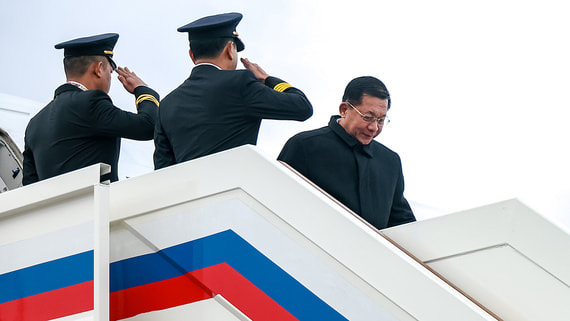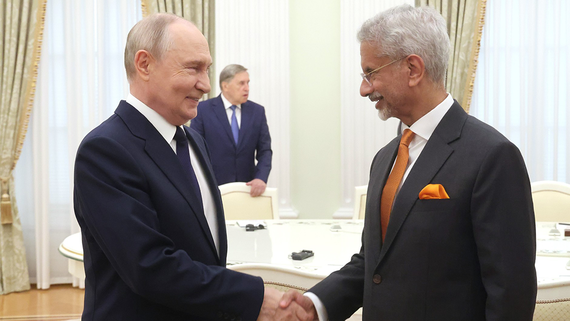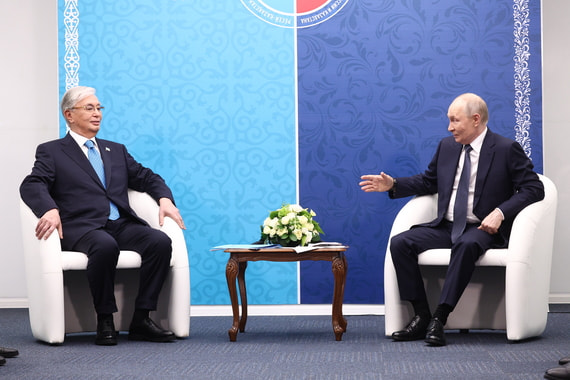
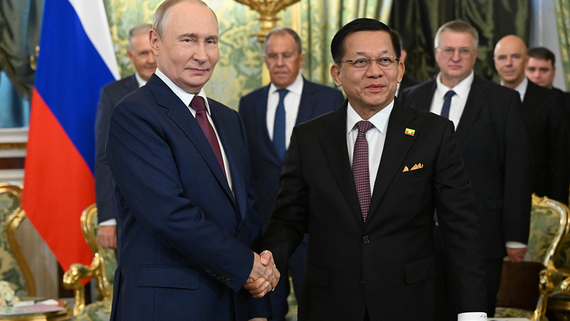
Myanmar’s military leader Min Aung Hlaing recently concluded a significant diplomatic visit to Russia, where he held high-level meetings with President Vladimir Putin and Prime Minister Mikhail Mishustin. The visit underscores the deepening ties between Moscow and Naypyidaw at a time when both nations face international isolation and Western sanctions. The meetings covered a range of strategic topics, from military cooperation to economic partnerships, signaling a potential shift in regional geopolitical alignments.
Min Aung Hlaing, who seized power in Myanmar through a military coup in February 2021, has been actively seeking international allies as his regime faces mounting pressure from Western democracies. The coup, which overthrew the democratically elected government led by Aung San Suu Kyi, sparked widespread protests and a brutal military crackdown that has resulted in thousands of deaths and arrests. Since then, Myanmar has become increasingly isolated from the international community, with the United States, European Union, and numerous other nations imposing comprehensive sanctions on the military junta.
Strategic Partnership in Focus
During his meeting with President Putin, Min Aung Hlaing discussed expanding bilateral cooperation across multiple sectors. Military cooperation topped the agenda, with Russia being one of Myanmar’s primary arms suppliers. Moscow has historically provided the junta with fighter jets, armored vehicles, and other military equipment. Defense analysts note that Russian arms sales to Myanmar have continued despite international condemnation, providing the military regime with crucial hardware to maintain its grip on power amid ongoing civil conflict with ethnic armed organizations and pro-democracy resistance forces.
The talks also addressed energy cooperation, with both nations exploring potential partnerships in oil, gas, and nuclear energy development. Russia has expressed interest in helping Myanmar develop its energy infrastructure, which could provide Moscow with a strategic foothold in Southeast Asia while offering the isolated regime an alternative to Western investment. Additionally, discussions touched on trade expansion, agricultural cooperation, and educational exchanges between the two countries.
Economic Dimensions and Sanctions Evasion
Prime Minister Mishustin’s meeting with the Myanmar leader focused primarily on economic matters. Both sides explored ways to boost bilateral trade, which remains relatively modest but has grown since the 2021 coup. Russia has positioned itself as a reliable partner for nations facing Western sanctions, offering alternative financial mechanisms and trade arrangements that bypass traditional Western-dominated systems. For Myanmar, this relationship provides a crucial economic lifeline as international banks and businesses withdraw from the country.
The economic discussions also covered potential Russian investments in Myanmar’s mining sector, which is rich in precious gems, rare earth minerals, and other natural resources. Myanmar possesses some of the world’s largest reserves of jade and rubies, as well as significant deposits of strategic minerals that are increasingly important for modern technology and defense applications. Russian companies have shown interest in gaining access to these resources, which could provide both revenue for the junta and critical materials for Russian industry.
Geopolitical Implications for the Indo-Pacific
The warming relationship between Russia and Myanmar carries significant implications for regional stability and the broader geopolitical landscape. As both nations face isolation from Western powers, their partnership represents a consolidation of authoritarian regimes seeking mutual support. This development concerns Western policymakers and regional democracies, who fear that Russian support could embolden the Myanmar military to continue its violent suppression of pro-democracy movements and ethnic minorities.
The visit also highlights Russia’s strategic ambitions in the Indo-Pacific region, where Moscow seeks to expand its influence amid growing competition with the United States and its allies. By cultivating ties with Myanmar, Russia gains a potential foothold in Southeast Asia, access to the Indian Ocean, and another partner in its effort to build an alternative bloc to the Western-led international order. For Myanmar’s military rulers, Russian support provides diplomatic cover, military hardware, and economic alternatives that help sustain their regime despite international pressure.
Expert Opinion: The deepening Russia-Myanmar partnership represents a concerning trend of authoritarian consolidation that could undermine regional stability and prolong the humanitarian crisis in Myanmar. As Western sanctions prove insufficient to change the junta’s behavior, expect Moscow to leverage this relationship for strategic positioning in Southeast Asia, potentially complicating ASEAN’s efforts to mediate the Myanmar crisis and shifting regional power dynamics in Russia’s favor.