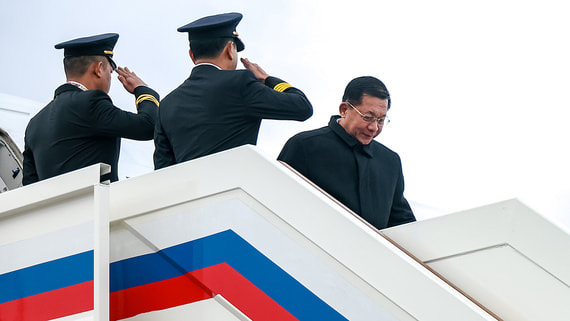
Myanmar’s military leader, Senior General Min Aung Hlaing, is preparing for yet another diplomatic visit to Russia, marking his sixth journey to Moscow since seizing power in a February 2021 coup. The frequent trips underscore the deepening relationship between the isolated Southeast Asian junta and the Kremlin, with energy cooperation and military-technical assistance topping the agenda. As Western nations maintain sanctions and diplomatic pressure on Myanmar’s ruling military council, Russia has emerged as one of the regime’s most reliable international partners, providing both political cover and practical support.
Energy Cooperation Takes Center Stage
Energy security has become a critical concern for Myanmar’s military government, which faces ongoing economic challenges exacerbated by international sanctions and domestic instability. Russia’s vast energy resources and willingness to engage with pariah states make it an attractive partner for the junta. Discussions are expected to focus on potential oil and gas supplies, nuclear energy cooperation, and broader infrastructure development. Russia’s state energy companies have shown increasing interest in expanding their footprint in Southeast Asia, viewing Myanmar as a potential gateway to the region despite the political risks involved.
The energy partnership carries significant strategic implications for both nations. For Myanmar, Russian energy supplies could help offset the impact of Western sanctions and reduce dependence on traditional trading partners. For Russia, the relationship offers both economic opportunities and geopolitical advantages, allowing Moscow to extend its influence in a region traditionally dominated by China and the United States. Previous meetings between the two leaders have resulted in memoranda of understanding covering various energy sectors, though many projects have struggled to materialize amid Myanmar’s ongoing civil conflict.
Military-Technical Cooperation Deepens
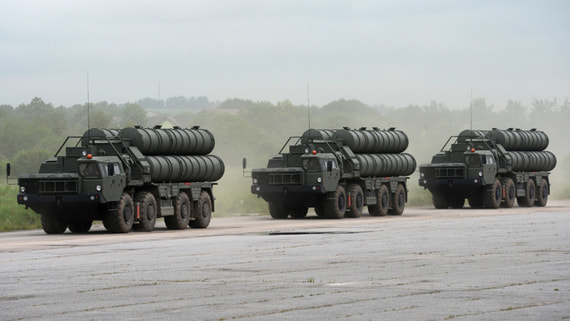
Perhaps more significant than energy discussions is the military-technical cooperation that has flourished between Moscow and Naypyidaw since the coup. Russia has become one of Myanmar’s primary arms suppliers, providing fighter jets, helicopters, armored vehicles, and air defense systems to a regime engaged in brutal campaigns against ethnic armed organizations and pro-democracy resistance forces. The Stockholm International Peace Research Institute has documented substantial Russian weapons deliveries to Myanmar, including advanced MiG-29 fighter aircraft and Yak-130 trainer jets that have allegedly been used in airstrikes against civilian populations.
The military relationship extends beyond simple arms sales. Russia has provided training for Myanmar military officers at prestigious Russian military academies, while technical advisors have reportedly assisted with maintenance and operational capabilities. This cooperation has drawn sharp criticism from human rights organizations and Western governments, who argue that Russian weapons are enabling atrocities against Myanmar’s civilian population. The United Nations has documented widespread human rights violations by the military, including extrajudicial killings, torture, and the displacement of millions of civilians.
International Isolation Drives Partnership
The frequency of Min Aung Hlaing’s visits to Moscow reflects the limited diplomatic options available to Myanmar’s military rulers. Since the 2021 coup, which overthrew the democratically elected government of Aung San Suu Kyi, the junta has faced international condemnation and increasing isolation. The Association of Southeast Asian Nations has barred military leaders from high-level summits, while Western nations have imposed targeted sanctions on military officials and state enterprises. In this context, Russia’s willingness to engage diplomatically provides crucial legitimacy for a regime struggling for international recognition.
For Russia, the relationship with Myanmar fits into a broader strategy of cultivating ties with governments estranged from the West. Following its invasion of Ukraine in 2022, Moscow has accelerated efforts to build alternative diplomatic and economic networks, positioning itself as a champion of multipolarity against Western hegemony. Myanmar, along with nations like North Korea, Syria, and various African states, has become part of this emerging coalition of internationally isolated governments bound together by shared opposition to Western-led international order.
Uncertain Future Amid Civil War
Despite the diplomatic warmth between Moscow and Naypyidaw, Myanmar’s military government faces an increasingly precarious domestic situation. Armed resistance to military rule has intensified dramatically, with ethnic armed organizations and newly formed People’s Defense Forces capturing significant territory across the country. The junta has lost control of large swathes of border regions and faces mounting casualties among its ranks. Whether Russian military assistance can reverse these trends remains uncertain, as the fundamental challenges facing the military stem from its deep unpopularity rather than any shortage of weapons.
Expert Opinion: The deepening Russia-Myanmar partnership represents a significant realignment in Southeast Asian geopolitics, with implications extending far beyond bilateral relations. As both nations face Western isolation, their collaboration is likely to intensify, potentially drawing closer involvement from China, which maintains its own complex interests in Myanmar’s stability. The long-term trajectory will depend heavily on whether Myanmar’s military can consolidate power domestically — an outcome that appears increasingly uncertain given the strength of armed resistance movements.