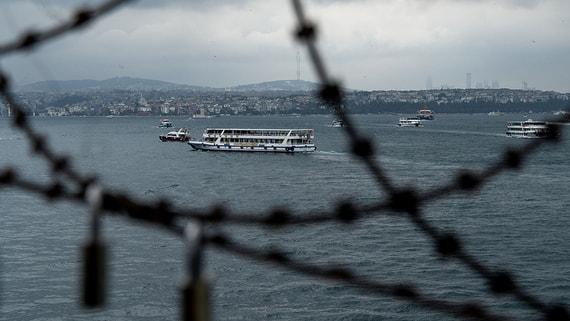
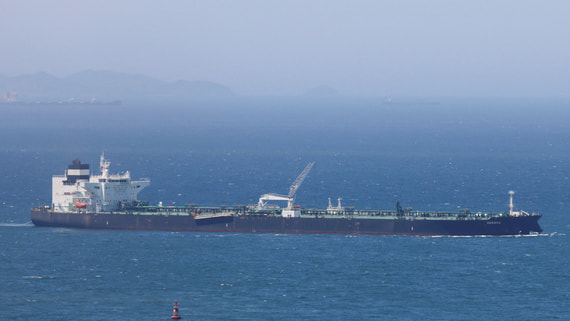
In a significant diplomatic development that could have far-reaching implications for global maritime commerce, Iran and Oman have successfully agreed on a navigational chart for shipping routes through the strategically vital Strait of Hormuz. According to recent reports, the two nations have made substantial progress in their negotiations over the past several weeks, marking a notable achievement in regional cooperation on one of the world’s most critical waterways.
The Strait of Hormuz, connecting the Persian Gulf to the Gulf of Oman and the broader Arabian Sea, represents one of the most consequential chokepoints in international maritime trade. Approximately 20 percent of the world’s oil supply passes through this narrow passage daily, making it an artery of global economic importance. The strait is only about 21 miles wide at its narrowest point, with shipping lanes even more restricted, which has historically made navigation rights and territorial boundaries a sensitive diplomatic matter between the nations that border it.
Strategic Importance and Historical Context
The agreement between Tehran and Muscat comes against a backdrop of heightened tensions in the Persian Gulf region over recent years. Iran, which controls the northern shore of the strait, has periodically been involved in confrontations with international naval vessels and has at times threatened to close the waterway in response to international sanctions. The southern shore is shared by Oman and the United Arab Emirates, making bilateral agreements on navigation essential for maintaining safe and efficient maritime operations.
Oman has long served as a diplomatic intermediary in the region, maintaining cordial relations with Iran while also cooperating closely with Western nations and Gulf Cooperation Council members. This unique position has enabled Muscat to facilitate dialogue on sensitive issues where other channels might be blocked. The sultanate’s pragmatic foreign policy approach has made it an ideal partner for such technical but politically significant negotiations regarding maritime boundaries and shipping protocols.
Implications for Global Trade and Regional Stability
The newly agreed shipping route map is expected to provide clearer guidelines for commercial vessels transiting the area, potentially reducing the risk of incidents and misunderstandings that have occasionally disrupted traffic. Maritime industry experts suggest that clearer delineation of navigation channels could help insurance companies better assess risks and potentially lower premiums for vessels operating in the region, which have been elevated in recent years due to periodic security concerns.
The timing of this agreement is particularly noteworthy given ongoing diplomatic efforts between Iran and Western powers regarding various outstanding issues. While the shipping route agreement is technically bilateral between Iran and Oman, it sends a broader signal about Tehran’s willingness to engage constructively on matters of international concern. Regional analysts note that such confidence-building measures, even on seemingly technical matters, can create momentum for addressing more contentious issues.
Looking Ahead: Future Cooperation Prospects
The successful conclusion of these negotiations may pave the way for additional maritime cooperation initiatives in the Persian Gulf region. Industry observers are watching to see whether similar agreements might be pursued with other neighboring states. For the global shipping industry, any measures that enhance predictability and safety in the Strait of Hormuz are welcomed, given the passage’s irreplaceable role in energy supply chains connecting Middle Eastern producers with consumers in Asia, Europe, and beyond. As climate change and evolving energy markets reshape global trade patterns, the strategic importance of stable maritime governance in this region is unlikely to diminish anytime soon.
Expert Opinion: This Iran-Oman shipping agreement represents a pragmatic approach to managing one of the world’s most sensitive maritime zones. While it may appear technical in nature, the establishment of mutually recognized navigation protocols could serve as a foundation for broader regional de-escalation. Given current geopolitical uncertainties, stakeholders should view this as a positive indicator of Iran’s capacity for constructive bilateral engagement on matters affecting international commerce.