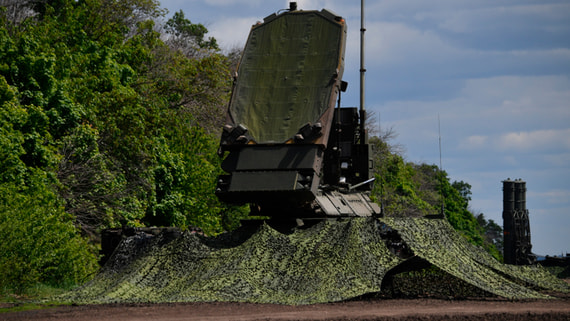
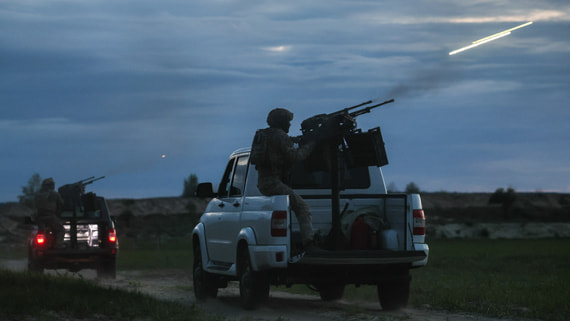
Ukraine launched a significant wave of drone attacks against multiple Russian regions overnight on August 14, resulting in fires at strategic locations and highlighting the ongoing escalation of long-range strikes deep into Russian territory. The attacks reportedly targeted infrastructure in the Leningrad Oblast, Tver region, and several other areas, demonstrating Kyiv’s expanding capability to strike targets far from the front lines. Russian air defense systems were activated across multiple regions as authorities scrambled to respond to what appears to be one of the larger coordinated drone operations in recent months.
The strikes mark a continuation of Ukraine’s strategy to disrupt Russian logistics, military supply chains, and economic infrastructure. As the conflict approaches its third year, both sides have increasingly relied on unmanned aerial vehicles to conduct operations beyond the immediate combat zone, fundamentally changing the nature of modern warfare in the process.
Port Facility in Leningrad Oblast Catches Fire
One of the most significant incidents occurred at a port facility in the Leningrad Oblast, where a fire broke out following the drone attack. The Leningrad region, located in northwestern Russia near St. Petersburg, represents a considerable distance from Ukrainian territory, underscoring the extended range of Ukraine’s drone capabilities. Port facilities in this area serve as crucial hubs for Russian maritime commerce and logistics, making them strategically valuable targets. Emergency services responded to the blaze, though official Russian sources provided limited information about the extent of the damage or whether any military-related cargo was affected.
The targeting of port infrastructure aligns with Ukraine’s broader strategy of disrupting Russian supply chains and economic activity. Since the beginning of the full-scale invasion in February 2022, Ukraine has progressively developed its domestic drone production capabilities, enabling strikes at distances that would have been impossible in the early months of the conflict. Western intelligence analysts have noted that these operations serve both military and psychological purposes, demonstrating to the Russian population that the war is not confined to distant territories.
Wildberries Warehouse Near Tver Struck by Debris
In another notable incident, debris from intercepted or downed drones reportedly fell on a Wildberries warehouse facility located near the city of Tver, approximately 170 kilometers northwest of Moscow. Wildberries is one of Russia’s largest e-commerce platforms, comparable to Amazon in its scope of operations, handling millions of packages daily through its extensive warehouse network. The impact of drone debris on civilian commercial infrastructure highlights the collateral effects of the intensifying aerial campaign, regardless of whether such facilities were intentional targets.
The Tver region has been struck multiple times throughout the conflict, partly due to its strategic location along major transportation routes connecting Moscow with St. Petersburg and northwestern Russia. The area hosts various military and industrial facilities, making it a frequent target of Ukrainian long-range operations. Russian authorities have not disclosed whether the Wildberries facility sustained significant damage or whether operations were disrupted, maintaining their typical practice of limiting information about strike impacts.
Broader Context of Escalating Drone Warfare
The August 14 attacks represent part of a dramatic escalation in drone warfare that has characterized the Russia-Ukraine conflict. Ukraine has developed several indigenous drone platforms capable of striking targets over 1,000 kilometers from launch points, while also adapting commercial drone technology for military purposes. These weapons provide a cost-effective means of striking high-value targets, with each drone costing a fraction of traditional cruise missiles while still capable of causing significant damage to undefended infrastructure.
Russia has similarly employed extensive drone campaigns against Ukrainian cities and infrastructure, particularly targeting the energy grid during winter months. The mutual drone warfare has prompted both nations to rapidly expand their air defense networks and electronic warfare capabilities. Military analysts suggest that the conflict has become a proving ground for drone technology that will influence military doctrines worldwide for decades to come. As both sides continue to refine their tactics and expand production capacity, the aerial dimension of the conflict shows no signs of diminishing in intensity.
Expert Opinion: The sustained Ukrainian capability to strike targets deep within Russia, including areas near major cities like St. Petersburg and Moscow, indicates a significant shift in the conflict’s dynamics. These operations are likely to continue escalating as Ukraine expands its domestic drone production and potentially receives longer-range Western weapons systems. The psychological and economic impact of bringing the war to Russian territory may ultimately prove as strategically significant as any battlefield gains.