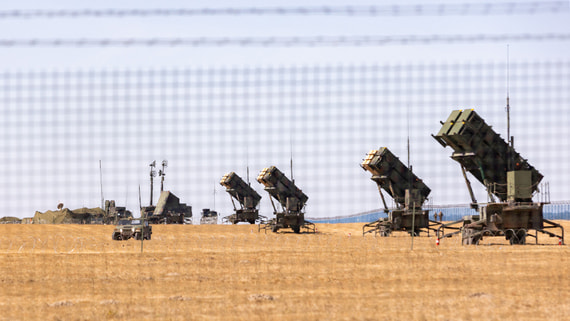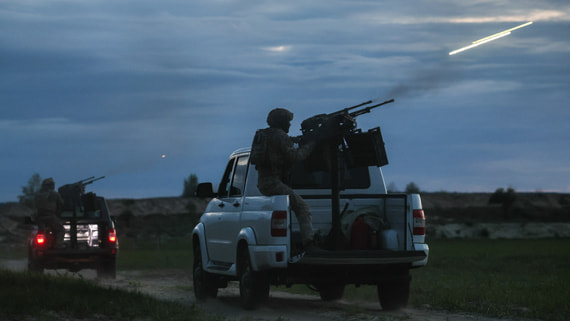
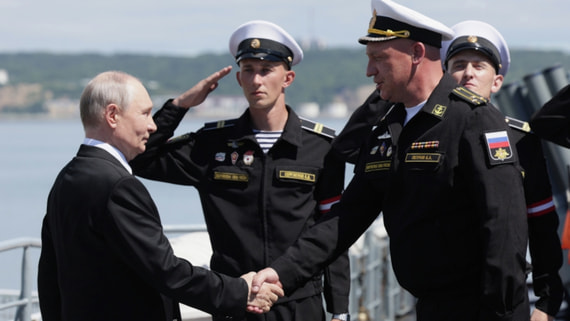
Russian President Vladimir Putin delivered a series of significant statements during his participation in military exercises conducted by the Pacific Fleet, addressing multiple international flashpoints including the seizure of Russian vessels, NATO’s expanding presence in the Asia-Pacific region, and direct warnings to Japan. The exercises, which demonstrated Russia’s naval capabilities in the Pacific theater, served as the backdrop for Putin’s most direct comments yet on several contentious geopolitical issues that have strained relations between Moscow and Western nations.
The Russian leader’s participation in the Pacific Fleet drills underscores the Kremlin’s continued emphasis on military readiness despite the ongoing conflict in Ukraine and mounting international sanctions. Putin’s presence at such exercises carries significant symbolic weight, signaling to both domestic and international audiences that Russia maintains formidable military capabilities across multiple theaters of operation, not merely focused on European concerns.
Response to Vessel Seizures and Maritime Tensions
Putin addressed the increasingly contentious issue of Russian vessels being seized or detained by Western nations, warning that Moscow would respond decisively to what it considers illegal actions against its maritime assets. Since the beginning of the conflict in Ukraine, numerous Russian ships have faced detention, seizure, or restrictions in foreign ports as part of the broader sanctions regime implemented by the United States, European Union, and their allies. The Russian president characterized these actions as violations of international maritime law and suggested that retaliatory measures were being prepared.
The seizure of Russian vessels has become a significant point of contention in international relations, with Western nations arguing that such actions are necessary components of their sanctions strategy designed to pressure Moscow over its military operations. Russia, meanwhile, has consistently maintained that these seizures constitute piracy and theft under international law. Maritime legal experts note that the situation has created unprecedented complications for global shipping and trade, with insurance costs soaring and shipping routes being recalculated to avoid potential confrontations.
NATO’s Growing Presence in the Asia-Pacific
Perhaps the most strategically significant portion of Putin’s remarks concerned NATO’s expanding footprint in the Asia-Pacific region. The Russian president expressed serious concern over the alliance’s increased engagement with countries like Japan, South Korea, Australia, and New Zealand, arguing that this represents a dangerous expansion of the Western military bloc far beyond its original North Atlantic mandate. Putin suggested that NATO’s pivot toward Asia represents an attempt to encircle Russia from multiple directions and establish a global network of military alliances hostile to Moscow’s interests.
NATO has indeed deepened its partnerships with Indo-Pacific nations in recent years, with leaders from Japan, South Korea, Australia, and New Zealand attending NATO summits and participating in joint exercises. The alliance has framed this engagement as a response to shared challenges including the rise of China, North Korea’s nuclear program, and broader concerns about authoritarian governance. However, Moscow views these developments as a direct threat, arguing that NATO’s original defensive purpose has been abandoned in favor of aggressive expansion.
Direct Warning to Japan
Putin’s comments regarding Japan were particularly pointed, with the president warning Tokyo about the consequences of its increasingly close alignment with NATO and the United States on issues of regional security. Japan has significantly bolstered its defense posture in recent years, increasing military spending to historic levels and deepening security cooperation with Western allies. The territorial dispute over the Kuril Islands, which Russia calls the Southern Kuriles and Japan refers to as its Northern Territories, continues to prevent the two nations from signing a formal peace treaty ending World War II hostilities.
The warning to Japan comes at a time when Tokyo has been among the most vocal Asian critics of Russia’s actions in Ukraine, implementing comprehensive sanctions and providing support to Kyiv. Japan’s strategic location and its hosting of major U.S. military installations make it a key player in any potential Pacific conflict. Analysts suggest that Putin’s direct warning to Japan represents an escalation in rhetoric designed to discourage further Japanese involvement in anti-Russian coalitions and to remind Tokyo of the potential consequences of its current foreign policy trajectory.
Strategic Implications for Global Security
The timing and location of Putin’s statements reflect Russia’s strategic priorities as it navigates an increasingly complex international environment. By emphasizing Pacific Fleet capabilities and addressing Asian security concerns, the Kremlin signals that it remains capable of projecting power across multiple regions simultaneously. Military analysts note that Russia’s Pacific Fleet, while smaller than its Soviet-era predecessor, still represents a formidable force equipped with nuclear-powered submarines, surface combatants, and advanced missile systems capable of threatening targets throughout the region.
The broader implications of Putin’s remarks extend beyond immediate bilateral relationships to encompass the evolving nature of global alliances and security architectures. As traditional boundaries between regional security arrangements blur and organizations like NATO extend their reach into new geographic areas, the potential for miscalculation and escalation increases. The international community will be watching closely to see whether Putin’s warnings translate into concrete actions or remain primarily rhetorical in nature.
Expert Opinion: Putin’s simultaneous messaging on maritime seizures, NATO expansion, and direct warnings to Japan reveals Moscow’s growing anxiety about strategic encirclement and its diminishing diplomatic options. The emphasis on Pacific capabilities suggests Russia may seek to open new pressure points in Asia to relieve Western focus on Ukraine, potentially complicating an already fragile global security environment. This multi-front rhetorical offensive could presage more assertive Russian naval activity in Pacific waters throughout 2025.