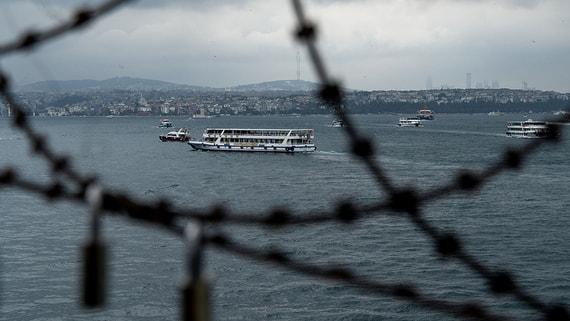
The Black Sea, once a vital artery for global grain exports and commercial shipping, has transformed into one of the world’s most dangerous maritime zones. As the Russia-Ukraine conflict continues to intensify, attacks on civilian vessels have become increasingly frequent, raising serious questions about regional stability and international trade security. Turkey, which controls the strategic Bosphorus and Dardanelles straits connecting the Black Sea to the Mediterranean, now faces mounting pressure to take decisive action to prevent further escalation.
The Growing Threat to Maritime Commerce
Since Russia’s full-scale invasion of Ukraine in February 2022, the Black Sea has witnessed a dramatic surge in attacks targeting commercial shipping. Both Ukrainian and Russian forces have deployed naval drones, missiles, and mines in waters that were previously considered relatively safe for international commerce. The situation deteriorated significantly after Russia withdrew from the Black Sea Grain Initiative in July 2023, an agreement that had provided safe passage corridors for vessels carrying Ukrainian agricultural exports to global markets.
The consequences have been severe. Insurance premiums for ships transiting the Black Sea have skyrocketed, with war risk premiums increasing by as much as ten times compared to pre-conflict levels. Several vessels from neutral countries have sustained damage from floating mines or drone attacks, leading many shipping companies to reconsider their operations in the region. Industry analysts estimate that the disruption has cost the global economy billions of dollars and contributed to food price volatility in developing nations that depend heavily on Black Sea grain imports.
Turkey’s Strategic Position and Diplomatic Balancing Act
Turkey occupies a unique position in this crisis. Under the 1936 Montreux Convention, Ankara exercises control over naval traffic through the Turkish Straits, granting it significant leverage over access to the Black Sea. Since the conflict began, Turkey has invoked wartime provisions of the convention to restrict the passage of military vessels from all Black Sea nations, effectively preventing a further naval buildup in the region. However, this policy has done little to address the threat posed by aerial drones, sea-based autonomous weapons, and the continued presence of naval forces already stationed in the area.
Turkish President Recep Tayyip Erdoğan has attempted to position his country as a neutral mediator, maintaining diplomatic and economic ties with both Moscow and Kyiv. This balancing act has allowed Turkey to broker prisoner exchanges and, most notably, negotiate the original grain deal that briefly restored some normalcy to Black Sea shipping. However, critics argue that Ankara’s reluctance to take a firmer stance against Russian aggression has limited its ability to effectively address the maritime security crisis.
International Pressure and Potential Solutions
Western nations and international maritime organizations have increasingly called on Turkey to play a more active role in protecting civilian shipping. Some proposals include establishing Turkish-escorted convoy systems for merchant vessels, expanding maritime surveillance capabilities, or working with NATO allies to create protected shipping lanes. However, each option carries significant risks, potentially drawing Turkey into direct confrontation with Russia and undermining its carefully cultivated neutrality.
Maritime security experts suggest that a comprehensive solution will require coordinated international action, not just Turkish intervention. This could involve deploying advanced mine-clearing operations, establishing clearly demarcated safety corridors monitored by neutral parties, and implementing stricter enforcement of international maritime law. The United Nations and the International Maritime Organization have both expressed concern about the situation, though concrete multilateral action has remained elusive amid broader geopolitical tensions.
As the conflict shows no signs of abating, the Black Sea is likely to remain a zone of elevated risk for the foreseeable future. The international shipping community continues to adapt, with some vessels opting for longer alternative routes through the Mediterranean and Suez Canal, while others accept the higher costs and dangers of Black Sea transit. Whether Turkey can leverage its unique geographic and diplomatic position to meaningfully reduce these risks remains one of the most pressing questions in regional security today.
Expert Opinion: The Black Sea crisis represents a fundamental challenge to the post-World War II international maritime order, where civilian shipping was largely protected from military conflict. Turkey’s ability to de-escalate the situation will ultimately depend not just on its own diplomatic skills, but on whether Moscow and Kyiv see sufficient strategic value in reducing attacks on neutral vessels. Without a broader ceasefire or negotiated settlement, Ankara’s options for unilaterally restoring maritime security remain severely limited.