The Russian Investigative Committee has released new official data regarding the Ukrainian Armed Forces’ incursion into the Kursk region, presenting updated casualty figures and damage assessments that underscore the significant humanitarian and economic impact of the cross-border operation. According to the latest statement from Russian authorities, 640 civilians have lost their lives as a result of the military activities in the border region, while total material damage has been calculated at approximately 505 billion rubles, equivalent to roughly 5.5 billion US dollars at current exchange rates.
The incursion into Kursk Oblast, which began in August 2024, marked one of the most significant escalations in the ongoing conflict between Russia and Ukraine since the war began in February 2022. Ukrainian forces crossed the international border and established control over several settlements in the Sudzha district and surrounding areas, representing the first time since World War II that a foreign military force had occupied Russian territory. The operation caught many military analysts by surprise and demonstrated Ukraine’s capacity for offensive operations despite being primarily focused on defensive actions throughout much of the conflict.
Scale of Civilian Impact and Humanitarian Crisis
The reported civilian death toll of 640 individuals represents a substantial humanitarian crisis in what was previously a relatively peaceful agricultural region. Kursk Oblast, located in southwestern Russia approximately 500 kilometers south of Moscow, has a population of roughly one million people, many of whom live in small towns and villages near the Ukrainian border. The region is historically significant as the site of the famous Battle of Kursk in 1943, one of the largest tank battles in history during World War II.
Russian authorities have conducted extensive evacuation operations since the beginning of the incursion, relocating tens of thousands of residents from border areas to safer regions within Russia. Emergency shelters have been established in multiple cities, and federal resources have been allocated to provide housing, financial assistance, and psychological support to displaced civilians. The humanitarian situation has drawn attention from international organizations, though access to the affected areas remains heavily restricted due to ongoing military operations.
Economic Damage Assessment and Infrastructure Destruction
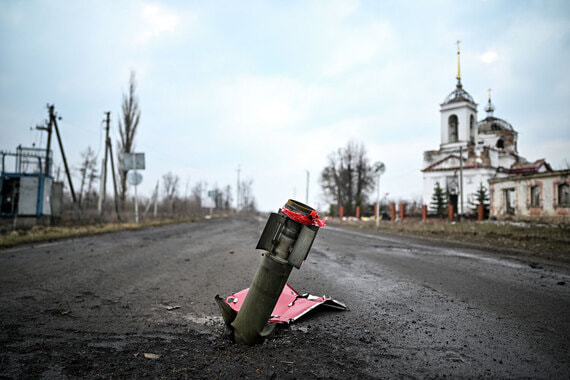
The 505 billion ruble damage assessment encompasses destruction to residential buildings, agricultural facilities, industrial infrastructure, and public utilities across the affected territory. The Kursk region is an important agricultural area, known for grain production and livestock farming, and the conflict has disrupted farming operations during critical harvest seasons. Additionally, damage to power stations, water treatment facilities, and transportation networks has complicated recovery efforts and affected the quality of life for remaining residents.
Russian government officials have pledged to rebuild damaged infrastructure and compensate affected residents for their losses. President Vladimir Putin has visited the region multiple times since the incursion began, promising federal support for reconstruction efforts. However, the scale of the damage suggests that full recovery will take years and require substantial financial investment. Some economists have noted that the 505 billion ruble figure may continue to rise as additional assessments are conducted and indirect economic losses are calculated.
Military Situation and Ongoing Operations
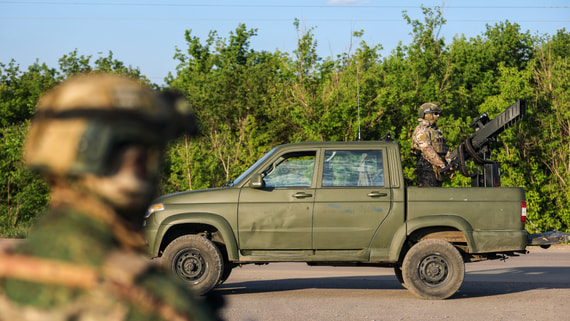
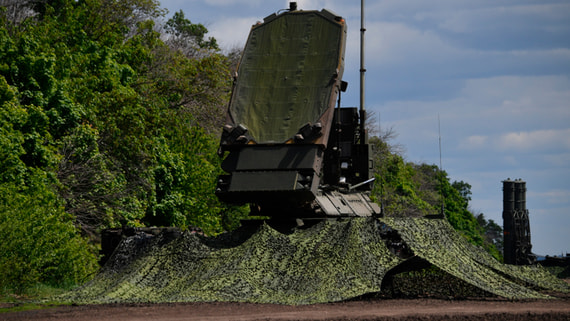
The Russian military has conducted extensive operations to regain control of occupied territories in the Kursk region, deploying significant forces including infantry units, armored vehicles, and air support. While Russian officials have reported progress in pushing back Ukrainian forces, the situation on the ground remains fluid, with combat operations continuing in several areas. The Ukrainian military has maintained defensive positions in certain sectors while conducting tactical withdrawals from others, according to various battlefield reports.
International observers and military analysts continue to monitor the situation closely, noting that the Kursk incursion has had broader strategic implications for both sides of the conflict. The operation has influenced negotiations, affected troop deployments along the main front line in eastern Ukraine, and demonstrated the potential for the conflict to expand beyond its original geographic boundaries. As both sides assess their military options, the civilian population of the Kursk region remains caught in the crossfire of this ongoing geopolitical struggle.
Expert Opinion: The substantial civilian casualty figures and economic damage reported by Russian authorities highlight the escalating humanitarian costs of the prolonged conflict extending into Russian territory. Military analysts suggest that regardless of the ultimate military outcome in Kursk, the precedent of cross-border operations has fundamentally altered the strategic calculus for both nations and may influence future peace negotiations. The long-term reconstruction of the affected region will likely become a significant domestic political issue in Russia for years to come.