In a significant escalation of tensions between the world’s two largest economies, China has announced new restrictions targeting drone component exports to the United States while simultaneously imposing sanctions on American entities over their stance on the Uyghur human rights situation. The moves come at a particularly sensitive moment, just ahead of anticipated high-level diplomatic meetings between Chinese President Xi Jinping and U.S. officials, signaling that Beijing is willing to flex its economic muscles while still keeping confrontation within manageable bounds.
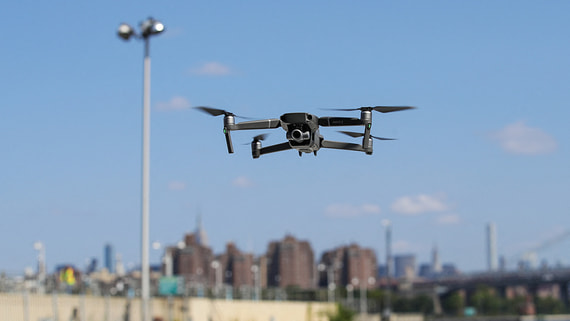
The dual actions represent China’s increasingly sophisticated approach to trade disputes, combining economic leverage with political messaging. By targeting the drone industry—a sector where Chinese manufacturers dominate global supply chains—Beijing is sending a clear signal about its ability to disrupt critical technology supplies that American companies and government agencies depend upon. The restrictions affect key components including motors, flight controllers, and other essential parts that form the backbone of commercial and consumer drone manufacturing.
The Strategic Importance of Drone Supply Chains
China’s dominance in the global drone market cannot be overstated. Companies like DJI, headquartered in Shenzhen, control an estimated 70-80 percent of the global consumer drone market, while Chinese manufacturers supply critical components to drone makers worldwide. This dominance extends beyond finished products to encompass the entire supply chain, from rare earth minerals used in magnets to sophisticated semiconductor chips that power autonomous flight systems. The new export restrictions could potentially affect everything from agricultural drones used by American farmers to surveillance equipment utilized by law enforcement agencies.
The timing of these measures is particularly noteworthy given ongoing U.S. efforts to reduce dependency on Chinese technology. The Biden administration has been actively encouraging domestic drone manufacturing and has implemented various restrictions on Chinese drone products citing national security concerns. However, building alternative supply chains has proven extremely challenging, with industry experts estimating it could take five to ten years to establish competitive manufacturing capabilities outside of China. This dependency gives Beijing significant leverage in any trade negotiation.
Sanctions Over Uyghur Human Rights Issues
The sanctions imposed on American entities over Uyghur-related human rights accusations represent a continuation of Beijing’s policy of pushing back against what it characterizes as interference in its internal affairs. China has consistently denied allegations of human rights abuses in the Xinjiang region, instead framing its policies as necessary counter-terrorism and vocational training measures. The United States, along with several other Western nations, has imposed various sanctions and trade restrictions on Chinese officials and companies linked to what Washington describes as genocide and crimes against humanity.
This tit-for-tat sanctioning has become a regular feature of U.S.-China relations in recent years. China’s latest measures target specific American organizations and individuals who have been vocal critics of Beijing’s Xinjiang policies. While the practical impact of such sanctions is often limited, they serve an important symbolic function, demonstrating to domestic audiences that China will not accept external criticism on sovereignty issues without response. The sanctions also complicate any potential diplomatic breakthrough, adding another item to the already lengthy list of grievances that must be addressed.
Calibrated Escalation Ahead of Diplomatic Talks
Perhaps most significant is what observers describe as the calibrated nature of these retaliatory measures. Despite the aggressive rhetoric and tangible restrictions, both sides appear to be keeping their responses within previously established boundaries. Neither country has taken steps that would fundamentally rupture economic ties or make diplomatic engagement impossible. This suggests that despite public posturing, both Washington and Beijing recognize the mutual benefits of maintaining some level of economic cooperation and diplomatic communication.
Trade experts note that this pattern of measured escalation followed by negotiation has characterized U.S.-China relations for several years. Each side tests the other’s resolve while carefully avoiding actions that could trigger uncontrollable escalation. The upcoming meetings between Xi and American officials will be closely watched for signs of whether this delicate balance can be maintained or whether more severe measures are forthcoming. With global economic stability hanging in the balance, the stakes for both nations—and indeed the entire world—could not be higher.
Expert Opinion: The current escalation demonstrates China’s growing confidence in wielding economic tools as diplomatic weapons, particularly in sectors where it maintains supply chain dominance. However, the measured nature of these actions suggests both powers are testing boundaries rather than seeking complete decoupling. Expect continued volatility in U.S.-China trade relations throughout 2025, with periodic escalations followed by temporary truces as both sides navigate their complex interdependence.